

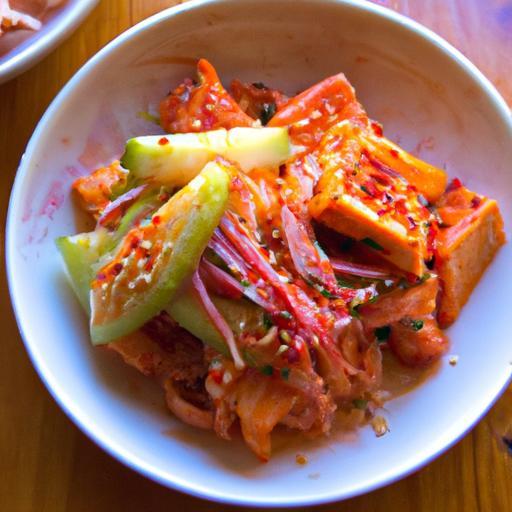
Kimchi, the iconic Korean staple known for its vibrant tang and fiery spice, has long been celebrated as a fermented masterpiece bursting with bold flavors and healthful probiotics. Traditionally crafted with fish sauce or fermented seafood, this beloved dish poses a challenge for those embracing a plant-based lifestyle. Enter vegan kimchi-a delightful reinvention that honors the essence of this age-old classic while shedding animal-derived ingredients. In this article, we’ll explore how to craft your own vegan kimchi, unlocking layers of complexity and zest through vibrant vegetables, fermented magic, and plant-powered umami. prepare to embark on a flavorful journey that bridges tradition and innovation, proving that kimchi’s signature punch can be 100% plant-based, deliciously bold, and deeply satisfying.
Crafting Vegan Kimchi: A Flavorful plant-Based Classic
Crafting vegan kimchi is a rewarding culinary journey that awakens your palate with vibrant flavors and traditional Korean heritage - all while embracing plant-based goodness.This fermented delight harmonizes crisp vegetables, fiery spice, and umami depth, proving that authentic kimchi doesn’t require fish sauce or shrimp paste to achieve its iconic tang and complexity. Whether you’re a fermentation rookie or a seasoned home cook, this recipe and guide will inspire you to make a bright, bold batch of vegan kimchi that brings life to any meal.
Prep and Cook Time
- Readiness Time: 30 minutes
- Fermentation Time: 3-7 days (room temperature), up to 3 weeks refrigerated
Yield
About 4 cups of appetizing vegan kimchi, perfect for 4-6 servings as a side dish or condiment.
Difficulty level
Medium – requires a bit of patience during fermentation but simple steps to master.
Ingredients
- 1 medium Napa cabbage (about 2 pounds), quartered and chopped
- 1/4 cup sea salt (non-iodized), for salting the cabbage
- 4 cups filtered water, room temperature
- 1 medium carrot, julienned
- 4 green onions, sliced diagonally
- 1/2 daikon radish, julienned
- 6 cloves garlic, minced
- 1-inch piece ginger, finely grated
- 3 tablespoons Korean red pepper flakes (gochugaru) – adjust according to heat preference
- 2 tablespoons tamari or soy sauce (gluten-free if preferred)
- 2 tablespoons maple syrup or agave nectar
- 1 tablespoon miso paste (white or yellow) – for umami depth
- 1 teaspoon toasted sesame seeds (optional garnish)
- 1 tablespoon seaweed flakes (nori or kombu), finely chopped – enhances the savory notes
Instructions
- Salt the cabbage: In a large bowl, dissolve the sea salt in filtered water. Submerge the chopped Napa cabbage and press down with a plate to keep it submerged. Let it soak for 2 hours, tossing every 30 minutes to ensure even salting.This process draws out excess moisture and softens the leaves.
- Rinse and drain: After 2 hours, rinse the cabbage thoroughly under cold running water to remove excess salt. Drain well, squeezing gently to remove excess water but do not over-squeeze-retain some moisture to aid fermentation.
- Prepare the spice paste: In a seperate bowl, mix minced garlic, grated ginger, Korean red pepper flakes, tamari, maple syrup, and miso paste. Stir until a thick, vibrant paste forms. This paste is the heart of your vegan kimchi’s bold flavor.
- Combine vegetables and paste: add the carrot, green onions, daikon radish, and seaweed flakes to the drained cabbage. Using clean hands or gloves, massage the spice paste into the vegetable mixture until well incorporated and every leaf and vegetable stick glistens with the fiery red paste.
- Pack for fermentation: Transfer the kimchi mixture tightly into a clean, sterilized glass jar or fermentation crock, pressing down firmly to eliminate air pockets while leaving some headspace (about 1 inch) for gases to expand. Seal the jar with an airlock lid or loosely with a regular lid to allow some airflow.
- Ferment: Leave the jar at room temperature (65-75°F) for 3-7 days. Check daily to press down the vegetables below the brine and observe bubbling, a sign of active fermentation. Taste after 3 days to assess the tanginess; ferment longer for a stronger flavor.
- Refrigerate: Once your vegan kimchi reaches your desired tang, seal tightly and move it to the refrigerator to slow down fermentation.It will continue to develop flavor gradually and is best enjoyed within 3 weeks for maximum freshness and crunch.
Tips for Success
- Choose quality produce: Opt for firm, fresh Napa cabbage and crisp vegetables to ensure the best texture post-fermentation.
- Adjust spice levels: Gochugaru varies in heat; start with 2 tablespoons if unsure and increase to 3 for a spicier kick.
- Use non-iodized salt: Iodized salt can inhibit fermentation; always choose sea salt or kosher salt.
- Keep it submerged: Prevent mold by ensuring vegetables stay below the brine; use a fermentation weight or a small jar filled with water.
- Wear gloves: Protect your hands from staining and irritation when massaging the pepper paste into vegetables.
- Make ahead: Kimchi improves with time, so start your batch several days before your planned meal.
Serving Suggestions
Vegan kimchi shines as a colorful side dish alongside steaming bowls of rice, creamy tofu bibimbap, or crispy korean pancakes. Garnish with toasted sesame seeds and thinly sliced green onions for extra flair.For a refreshing twist, fold it into vibrant salads or blend into dips and spreads to impart that distinct tangy punch. Serve chilled or at room temperature to best appreciate the depth of flavor and satisfying crunch.
| Nutrient | Per 1/2 cup Serving |
|---|---|
| Calories | 35 kcal |
| Protein | 1.2 g |
| Carbohydrates | 6 g |
| Fat | 0.5 g |
| Fiber | 2 g |

Expand your plant-based culinary adventures by discovering our collection of vegan Korean side dishes perfect for pairing with your freshly crafted kimchi. For an in-depth understanding of fermentation science and safety, check out the authoritative resource on CDC Food Fermentation Guidelines.
Q&A
Q&A: Crafting Vegan Kimchi – A Flavorful Plant-Based Classic
Q1: What makes traditional kimchi non-vegan, and how do you adapt it for a vegan version?
Traditional kimchi frequently enough contains fish sauce or salted shrimp paste-ingredients that contribute to its signature umami and depth but come from animals. to craft vegan kimchi, thes are replaced with plant-based alternatives like seaweed, miso paste, or tamari. These ingredients mimic the oceanic savoriness without compromising on flavor, keeping the kimchi vibrant and authentically tangy.
Q2: Which vegetables are essential for making vegan kimchi, and can you customize them?
Napa cabbage is the star of classic kimchi, providing crunch and sweetness. Though,you can incorporate radishes,green onions,carrots,and even cucumbers for varied texture and bright notes. Customizing veggies is part of the fun-feel free to experiment while maintaining the balance between crispness and fermentability.
Q3: How do you ensure a accomplished fermentation process in vegan kimchi?
Fermentation thrives on the right surroundings and ingredients. Use non-iodized salt to help draw out moisture and create a brine that encourages beneficial bacteria.Keep the kimchi submerged under the brine to prevent mold. Room temperature for 1-2 days kickstarts the process, than refrigerate to slow fermentation and develop complex flavors over time. Patience is key-flavor deepens as kimchi matures.
Q4: Can you explain the role of spice in vegan kimchi, and how to adjust it?
Spice is the heartbeat of kimchi, usually from Korean chili flakes called gochugaru.This smoky, mildly sweet pepper powder adds color and heat without overpowering. Adjust spice levels by varying the amount of gochugaru or adding fresh chili peppers. If you prefer mild, start smaller and let fermentation mellow the heat over several days.
Q5: what are some creative uses for vegan kimchi beyond just a side dish?
Vegan kimchi is a versatile powerhouse. Toss it into stir-fries or soups for a zingy punch, mix into vegan pancakes or tacos for layered flavor, or blend into dips and dressings for an exotic twist. Its probiotic richness also makes it a great topper for grain bowls, avocado toast, or even sandwiches seeking a fermented crunch.
Q6: any tips for first-timers wanting to try their hand at vegan kimchi?
Start simple: follow a well-reviewed recipe and maintain cleanliness to avoid unwanted bacteria. Use fresh ingredients and be mindful of salt quantity. Don’t fear the smell-it’s a sign of fermentation working its magic! Taste daily to find your preferred tanginess and spice.Most importantly, enjoy the journey of crafting a living food that connects you to centuries of Korean culinary tradition in a vibrant, plant-based way.
Insights and Conclusions
Embracing the vibrant world of vegan kimchi opens a gateway to layers of flavor, tradition, and nutrition-all without compromising on your plant-based principles. As you craft your own batch, remember that this living condiment is as much an art as it is a science, inviting endless experimentation with ingredients and fermentation times. Whether you’re a seasoned vegan or simply curious about expanding your culinary horizons, vegan kimchi offers a tangy, spicy, and wholly satisfying way to connect with a centuries-old heritage while honoring modern dietary choices.So grab your napa cabbage, don your apron, and let the transformative magic of fermentation bring a bold, gut-amiable kick to your kitchen-and your plate.