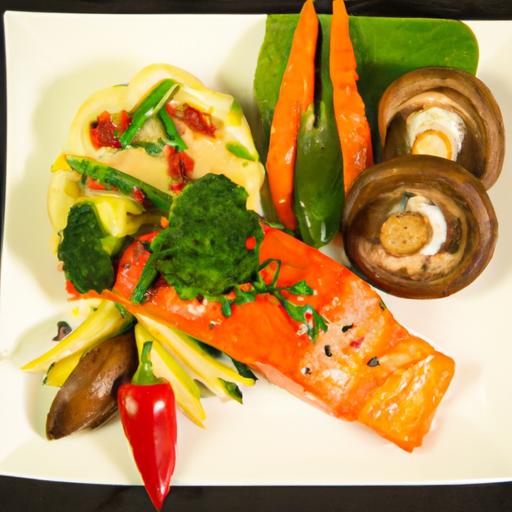

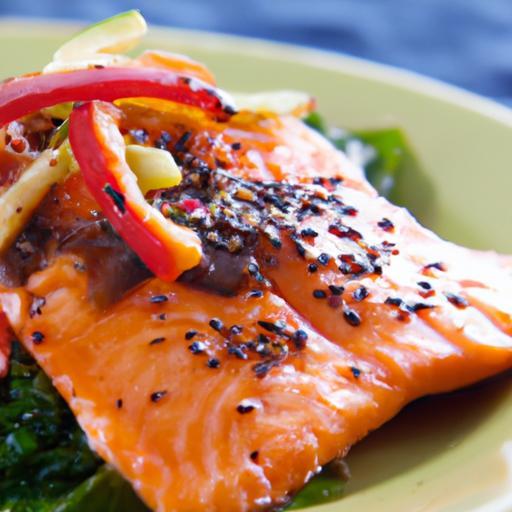
There’s a magical flavour that lingers on the palate, one that transcends the familiar tastes of sweet, sour, salty, and bitter-umami. Frequently enough described as the savory heart of a dish, umami brings depth, warmth, and complexity to every bite. Few ingredients capture this essence quite like miso, the fermented soybean paste that has been a cornerstone of Japanese cuisine for centuries. When paired with succulent salmon, miso transforms the fish into an irresistible glaze that’s both rich and delicately balanced. In this article, we’ll dive into the art of mastering the perfect miso-glazed salmon-a dish that elevates simple ingredients into an umami delight, promising to enchant your taste buds and inspire your culinary creativity.
Umami Delight: Mastering the Perfect Miso Glazed Salmon begins with understanding the harmonious balance of deep, savory miso flavors and the delicate texture of fresh salmon. This quintessential Japanese-inspired dish showcases the magic that umami can bring, transforming a simple fillet into an extraordinary culinary experience. From selecting the freshest fish to crafting an authentic miso glaze, each step is designed to elevate your cooking and tantalize your taste buds with layers of rich, caramelized goodness.
Prep and Cook time
- Preparation: 15 minutes
- Marinating: 30 minutes to 1 hour
- Cooking: 12-15 minutes
- total time: Approximately 1 hour 30 minutes
Yield
Serves 4 generous portions
Difficulty Level
Easy to Medium – perfect for confident beginners and seasoned home cooks alike
Ingredients
- 4 salmon fillets (skin-on, about 6 ounces each), preferably wild-caught and fresh
- 3 tablespoons white miso paste (authentic Japanese variety recommended)
- 2 tablespoons mirin (sweet rice wine)
- 1 tablespoon sake (Japanese rice wine)
- 1 tablespoon granulated sugar
- 1 teaspoon soy sauce (low sodium for balance)
- 1 teaspoon freshly grated ginger
- 1 teaspoon toasted sesame oil
- Fresh scallions and sesame seeds for garnish
Step by Step Techniques to Achieve a Tender and Flavor-Packed Finish
- select the salmon– Choose fillets with firm flesh, a bright pink hue, and moist surface free of any odor. Wild-caught salmon tends to have better flavor depth, perfect for this umami-forward recipe.
- Prepare the miso glaze: In a small bowl, whisk together white miso paste, mirin, sake, sugar, soy sauce, grated ginger, and toasted sesame oil. The sugar will melt into the miso,providing a subtle golden caramelization later on.
- marinate the salmon: Lightly pat the fillets dry with paper towels, then generously brush the miso glaze over the top of each fillet.Let them rest in the refrigerator for at least 30 minutes, allowing the flavors to infuse deeply.
- Preheat your oven to 400°F (200°C) – if desired, you can broil for a more intense glaze or bake for even cooking and delicate texture.
- Cook the salmon: Place the fillets skin-side down on a parchment-lined baking tray.Bake for 12 to 15 minutes, until the fish flakes easily with a fork and the glaze is evenly bubbling and caramelized. If broiling, watch closely to avoid burning - 3 to 5 minutes is usually sufficient.
- Rest briefly: Let the fillets rest for 5 minutes to lock in juices and enhance tenderness.
- Garnish and serve: Sprinkle thinly sliced scallions and toasted sesame seeds atop each fillet for a fresh crunch and visual brightness.
Chef’s Notes & tips for Success
- Variations: Try substituting white miso with red miso for a bolder, earthier glaze. Adjust sugar amount to taste if you prefer sweeter or less sweet.
- Make-ahead tip: The miso glaze can be prepared up to 2 days in advance and stored in an airtight container in the refrigerator.
- Skin-on Salmon: Leaving the skin on helps protect the fillet during cooking,adding texture and ensuring moisture retention.
- Caramelization Tips: To enhance the glaze’s richness, brush one additional layer of miso glaze halfway through cooking.
- Troubleshooting: If your glaze is too salty, dilute with a teaspoon of water or mirin; too thick, add a splash of sake.
Serving Suggestions
Serve alongside steamed jasmine rice or a light soba noodle salad tossed with cucumber, carrots, and a citrus soy vinaigrette. complement the flavors further with pickled ginger on the side. For added color and texture, a simple baby bok choy sautéed in garlic and sesame oil pairs beautifully.
Enjoy this dish plated on rustic stoneware or lacquered trays to embrace its Japanese roots, garnished with vibrant scallions and white sesame seeds, visually inviting and bursting with umami.
| Nutrient | Per Serving |
|---|---|
| Calories | 350 kcal |
| Protein | 33 g |
| Carbohydrates | 8 g |
| Fat | 18 g |

For a deeper dive into Japanese culinary staples and more umami-packed recipes, check out our Japanese Ingredients Guide. To understand miso’s fermentation and its health benefits, visit this ScienceDaily article on Miso Fermentation.
Q&A
Q&A: Umami Delight – Mastering the Perfect Miso Glazed Salmon
Q1: What makes miso glazed salmon so special compared to other salmon recipes?
A: Miso glazed salmon is a harmonious blend of savory, sweet, and umami-rich flavors that elevate the natural richness of the fish. The miso paste, a fermented soybean product, imparts a deep umami punch, while the glaze caramelizes beautifully during cooking, creating a luscious crust with layers of taste and texture you won’t find in a typical salmon dish.Q2: What types of miso are best for the glaze?
A: While there are many varieties of miso-from white (shiro) to red (aka) and even mixed (awase)-for a miso glaze, white or awase miso are ideal. white miso is milder and sweeter, giving the glaze a subtle complexity without overpowering the salmon. Red miso is stronger and saltier, so it can be used if you prefer a bolder umami flavor, but it needs balancing with a touch more sweetness.
Q3: How do you achieve the perfect balance of flavors in the glaze?
A: The glaze thrives on balance. Combining miso paste with complementary ingredients like mirin or sake for sweetness and depth,soy sauce for saltiness,and a hint of sugar or honey to encourage caramelization is key. Adding fresh ginger or garlic can add brightness and spice, but the secret is in measuring and tasting: the glaze should be rich, not cloyingly sweet or excessively salty.
Q4: What’s the best cooking technique for miso glazed salmon?
A: Broiling or pan-searing followed by oven-baking works wonders. Start by spreading the miso glaze generously over the salmon fillets. For broiling, place the fish skin-side down on a lined baking tray and broil so the glaze bubbles and crisps without burning. If pan-searing, sear skin-side down first to get crispy skin, then finish in the oven to gently cook through while preserving the glaze’s tender, glossy finish.Q5: How can I tell when the salmon is perfectly cooked?
A: Perfectly cooked salmon should be opaque and flake easily with a fork but still feel moist and tender. Overcooking can dry it out and dull the glaze’s shine. Aim for an internal temperature of 125-130°F (52-54°C) for medium-rare to medium doneness. Remember, the residual heat will continue cooking the fish after removing it from the oven.
Q6: What side dishes complement miso glazed salmon best?
A: The umami richness pairs beautifully with light, fresh sides that provide contrast.Think steamed jasmine rice or sushi rice to soak up the glaze, sautéed bok choy or baby spinach for a leafy bite, and pickled vegetables like daikon or cucumber to cut through the richness with tangy crunch. A simple citrus salad or roasted root vegetables also work beautifully to round out the meal.
Q7: Can I prepare the miso glaze ahead of time?
A: Absolutely! The glaze can be made ahead and stored in the refrigerator for up to a week. In fact,allowing the flavors to meld overnight can deepen the umami experience. Just stir the glaze before using-if it thickens too much, a splash of water, mirin, or sake will bring it back to a spreadable consistency.
Q8: Are there any common mistakes to avoid when making miso glazed salmon?
A: Yes! Avoid applying too thick a layer of glaze, as it can burn under high heat. Also,don’t marinate the salmon for too long in the miso mixture-30 minutes to an hour max-as the saltiness can overpower the fish. Lastly, watch the cooking time carefully; broilers vary and miso can quickly go from perfectly caramelized to bitter burnt.
Mastering miso glazed salmon unlocks a world of umami that’s both refined and comforting. With a little practice, you’ll delight in a dish that’s beautifully balanced-crisp, sweet, savory, and bursting with the deep richness of Japan’s treasured fermented paste. Ready to impress? Your perfect miso glazed salmon awaits!
To Wrap It Up
As the lingering umami notes of miso glaze fade from your palate,you’ll carry with you more than just a taste-you’ll hold the confidence to recreate this delicate balance of savory sweetness and rich depth anytime you wish. Mastering the perfect miso-glazed salmon isn’t merely about following a recipe; it’s about unlocking the harmony between tradition and innovation on your plate.Whether served as a weeknight delight or a centerpiece for special gatherings, this dish invites you to savor the magic that unfolds when simple ingredients meet thoughtful technique. So, next time you crave a culinary adventure that speaks softly yet boldly, remember: the umami delight of miso-glazed salmon awaits, ready to transform your cooking and captivate your senses.