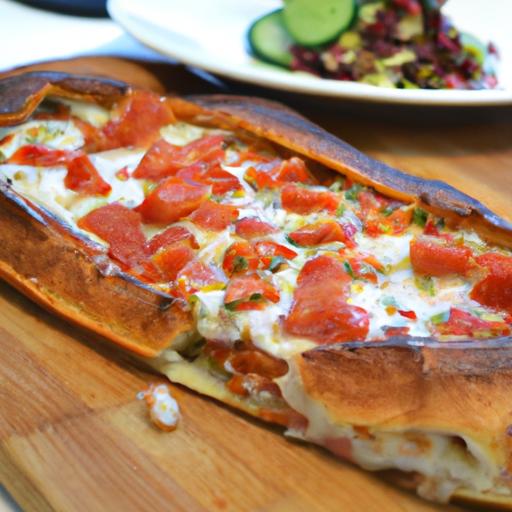

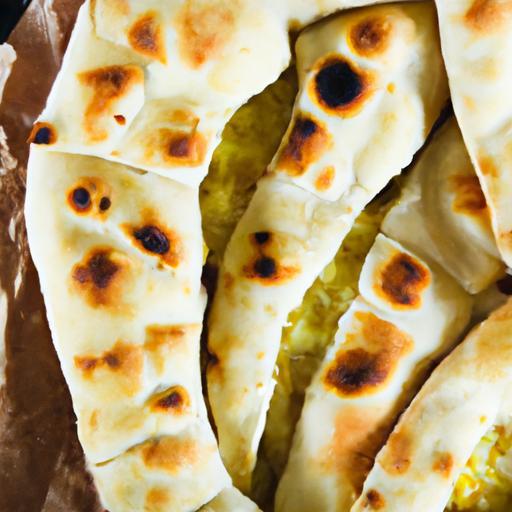
Imagine sinking your teeth into a golden, crispy-edged flatbread, its soft center generously layered with melted cheese, spiced ground meat, or vibrant vegetables-this is Turkish pide, a culinary treasure that has been warming hearts and tables for centuries. Often described as turkey’s answer to pizza, pide is much more than just a delicious meal; it’s a reflection of rich cultural traditions and regional flavors baked to perfection. In this article, we’ll embark on a flavorful journey to discover the origins, varieties, and irresistible appeal of authentic Turkish pide, uncovering why this savory flatbread continues to capture the palates of food lovers around the world.
discover Turkish Pide: Authentic Flatbread with Savory Toppings invites food lovers into a world where crisp, golden dough meets vibrant, aromatic fillings. This iconic Turkish dish dates back centuries,rooted deeply in Anatolian culture as a staple that brings families together around the table. Imagine savoring a boat-shaped bread, freshly baked with bubbling cheese, spiced ground meat, or garden-fresh vegetables, perfectly melding textures and flavors that tell stories of heritage and home. My first encounter with pide was in a bustling Istanbul café, where the heavenly aroma of fresh pide hooked me instantly-this recipe will help you recreate that magic in your own kitchen with ease and confidence.
Prep and Cook Time
Planning: 20 minutes | Rising time: 1 hour | Cooking: 15 minutes | Total: 1 hour 35 minutes
Yield
Produces approximately 4 medium-sized pides (serves 4)
Difficulty Level
Medium – Ideal for home cooks ready to take on a rewarding baking adventure
Ingredients
- 3 cups all-purpose flour, sifted
- 1 cup warm water (110°F/43°C)
- 2 teaspoons active dry yeast
- 1 teaspoon sugar
- 1 teaspoon salt
- 2 tablespoons olive oil, plus extra for brushing
- 200g ground lamb or beef (optional for meat topping)
- 1 small onion, finely chopped
- 1 cup crumbled feta cheese or kasar cheese
- 1 large tomato, diced
- 1/2 cup chopped fresh parsley
- 1 teaspoon ground cumin
- 1/2 teaspoon red pepper flakes
- 2 cloves garlic, minced
- 1 large egg (for egg-topped pide)
Instructions
- Activate the yeast: In a small bowl, combine warm water, sugar, and active dry yeast. Stir gently, then let sit for 5-7 minutes until the mixture becomes frothy.
- Prepare the dough: In a large bowl, mix the sifted flour and salt.Make a well in the center and pour in the yeast mixture and olive oil. Stir with a wooden spoon until a shaggy dough forms.
- Knead for elasticity: Transfer dough to a floured surface and knead for 8-10 minutes until smooth and elastic. If dough feels sticky, add flour 1 tablespoon at a time.
- Let the dough rise: Place dough in a lightly oiled bowl and cover with a damp cloth. Allow to rise in a warm place for 1 hour or until doubled in size.
- Prepare the topping: While dough rises, heat 1 tablespoon of olive oil in a skillet over medium heat. Add chopped onion and cook until translucent, about 4 minutes. Add ground meat, garlic, cumin, and red pepper flakes. Sauté until meat is cooked through and browned, stirring frequently. Remove from heat and stir in diced tomatoes and parsley. Let cool.
- Shape the pide: preheat oven to 475°F (245°C) with a pizza stone or baking sheet inside. Punch down dough and divide into 4 equal pieces. Roll each into an oval about 10-12 inches long. Transfer each oval to parchment paper.
- Top the pide: Spread meat mixture evenly across the center of each dough oval, leaving edges free. Sprinkle crumbled feta or kasar cheese over the meat.
- Fold edges: Gently fold the long sides of the dough towards the center, pinching the ends to create the characteristic “boat” shape.
- Egg-topping option: Crack an egg into the center of each pide if desired. This adds luscious richness once baked.
- bake to crispy perfection: Using a pizza peel or baking sheet, transfer parchment with pide onto the preheated stone/sheet. Bake for 12-15 minutes or until crust is golden brown and cheese is melted and bubbling.
- Finish with olive oil: Brush freshly baked pide edges with olive oil for a glossy, fragrant finish. Serve hot.
Tips for Success
- Use warm water to activate yeast effectively-too hot water will kill it, too cold will slow rising.
- For vegetarian versions, swap the meat topping for sautéed mushrooms, spinach, or roasted peppers combined with feta.
- If you don’t have a pizza stone, a heavy baking sheet turned upside down works well.
- Let the dough rest after shaping-cover with a towel for 10 minutes-to relax the gluten and prevent shrinkage during baking.
- Make dough a day ahead and refrigerate to develop deeper flavor-bring to room temperature before shaping.
Serving Suggestions
Serve these inviting pide with a side of crisp salad dressed with lemon and olive oil or tangy yogurt cucumber dip (cacık). Garnish with freshly chopped parsley and a sprinkle of sumac or Aleppo pepper for an authentic Turkish touch. pair with a glass of chilled ayran or robust Turkish tea to balance the savory richness.

| Nutrient | Amount per serving |
|---|---|
| Calories | 320 kcal |
| Protein | 18g |
| Carbohydrates | 35g |
| Fat | 12g |
Exploring Conventional Pide Toppings and Flavor Combinations
The beauty of Turkish pide lies in its versatility. Traditional toppings vary widely by region and personal preference, ranging from kaşar cheese & sucuk (Turkish sausage) to ground lamb with aromatic spices like cumin and oregano. Some versions lean into vegetarian delights with spinach and egg or melted beyaz peynir (white cheese). Sweet pides, tho less common, use local honey and nuts for a dessert twist. Embracing these combinations encourages culinary creativity while respecting the rich tapestry of Turkish food heritage.
Where to Savor the Most Authentic turkish Pide Around the world
While Istanbul remains the culinary heartland to enjoy authentically crafted pide-especially districts like Fatih and Beyoğlu-this beloved flatbread’s reputation has traveled globally. Cities with vibrant Turkish communities such as Berlin, New York, and London boast bakeries and restaurants preserving traditional baking methods. for inspiration and insight, check out Turkish Food & Culture, a definitive resource on regional specialties.
For deeper insight into Turkish baking techniques and bread culture, this Serious Eats article is an excellent read blending tradition and technique.
Make every bite a joyous journey with this recipe-embrace the art of Turkish pide, and bring a taste of Anatolia into your home kitchen today!
Q&A
Q&A: Discover Turkish Pide – Authentic Flatbread with Savory Toppings
Q1: What exactly is Turkish Pide?
A1: Turkish Pide is a traditional boat-shaped flatbread, baked to golden perfection and generously topped with a variety of savory ingredients.Think of it as Turkey’s flavorful answer to pizza-crispy on the edges, soft inside, and bursting with rich, aromatic toppings that tell a story of centuries-old culinary heritage.
Q2: How does Pide differ from other flatbreads or pizzas?
A2: Unlike typical round pizzas,Pide is uniquely elongated and features folded edges,creating a snug “boat” that holds its toppings in place. Its dough is often softer and thicker than traditional pizza crust, offering a delightful contrast between chewy bread and luscious fillings. Plus, the toppings are distinctly Turkish, featuring ingredients like sucuk (spicy sausage), beyaz peynir (white cheese), or minced lamb.
Q3: What are some traditional toppings on Turkish Pide?
A3: Classic Pide toppings include ground lamb or beef mixed with onions and spices, slices of sucuk, a medley of cheeses such as kasar or beyaz peynir, and eggs cracked on top just before baking. Vegetables like tomatoes, peppers, and spinach also appear frequently, each variant weaving its own regional tale into the dish.
Q4: How is Pide traditionally prepared?
A4: The magic starts with the dough, which is hand-kneaded and left to rise until airy and light. It’s then shaped into its iconic boat form, filled with a carefully balanced combination of toppings, and baked in a high-temperature stone oven. The intense heat crisps the crust while melting cheeses and cooking meats to juicy perfection.
Q5: Can Pide be enjoyed any time of day?
A5: Absolutely! Pide is versatile-it can serve as a hearty breakfast with eggs and cheese, a satisfying lunch packed with spiced meats, or a comforting dinner alongside fresh salads and tea. It’s as much about communal sharing as it is indeed about savoring bold flavors, making it perfect for any occasion.
Q6: Where can one experience authentic Turkish Pide?
A6: The best Pide comes from traditional ovens in Turkey,especially in coastal cities like Trabzon or Istanbul’s bustling eateries. though, as Turkish cuisine spreads globally, many authentic restaurants worldwide now serve freshly baked Pide, inviting diners everywhere to partake in this delightful slice of Turkish culture.
Q7: Can I try making Turkish Pide at home?
A7: Definitely! With some basic ingredients-flour, yeast, olive oil, and your choice of fillings-you can recreate Pide’s rustic charm in your own kitchen. The key is to master the dough’s texture and nail the boat shape to hold your toppings perfectly, then bake it hot and fast. It’s a rewarding culinary adventure that brings the spirit of Turkey right to your table.
Q8: Why is exploring Turkish Pide a must for food lovers?
A8: Beyond taste, Pide offers a delicious glimpse into Turkey’s rich history and regional diversity. Every bite is a harmonious blend of textures and flavors, reflecting centuries of shared traditions and local ingredients.For the adventurous eater, discovering Pide means unlocking a new world of savory possibilities and culinary joy.
The way Forward
As the aroma of freshly baked Turkish pide lingers in your memory, it’s clear that this humble flatbread is much more than just a meal-it’s a flavorful journey through Turkey’s rich culinary heritage. Whether topped with spiced ground meat, melted cheese, or vibrant vegetables, pide offers a perfect harmony of textures and tastes that invite both curiosity and comfort. So next time you seek a dish that combines tradition with savory delight, let Turkish pide be your delicious discovery-a true testament to the art of simple, authentic cooking.