
Every year, as Easter approaches, kitchens across Ecuador come alive with the rich aromas of a beloved culinary tradition: Fanesca. This hearty soup, a vibrant mosaic of grains, beans, fresh vegetables, and salted cod, is much more than a meal-it’s a tapestry woven from centuries of history, culture, and faith. In “Fanesca Recipe: Ecuador’s Traditional Easter Soup Unveiled,” we dive deep into the origins, ingredients, and planning of this iconic dish that brings families together to celebrate renewal and community. Whether you’re an adventurous home cook or simply curious about Ecuadorian cuisine,join us as we uncover the secrets behind Fanesca’s enduring charm and savory delight.
Fanesca recipe carries the soul of Ecuador’s rich cultural tapestry and Easter traditions in every warm,comforting spoonful. Originating from the Andean highlands, this hearty soup is a symbol of renewal, uniting indigenous and Spanish culinary influences. I vividly recall my first taste during a family gathering in Quito, where the combination of vibrant grains, fresh fish, and creamy pumpkin broth created a feast both familiar and celebratory. This Ecuadorian Easter soup’s unique harmony of textures and flavors invites you to embark on a culinary journey that honors heritage with every bite.
prep and Cook time
- Preparation: 40 minutes
- Cooking: 1 hour 30 minutes
- Total: 2 hours 10 minutes
Yield
Serves 8 generous portions
Difficulty Level
Medium – requires attention to layering flavors and proper timing but approachable with clear guidance
Key Ingredients That Make fanesca Uniquely Ecuadorian
- Sancocho de pescado (salted bacalao or dried salted cod) – creates the soulful base steeped in coastal and Andean tradition
- Choclo (andean corn) and fresh fava beans – indigenous grains that contribute subtle sweetness and texture
- Pumpkin (zapallo) – stewed to a silky, vibrant orange puree infusing natural creaminess
- Dried corn (chochos) and peas – earthy legumes that define this soup’s rustic heartiness
- Milk and queso fresco (fresh cheese) – enhance richness and add cooling brightness
- Aromatics: garlic, onion, cilantro, and achiote (annatto seeds) – paint the broth with warm color and luminous, complex flavors
Step-by-Step Guide to Perfecting Your Fanesca Soup
- Prepare the legumes and grains: Soak 1 cup of dried chochos and 1 cup of fava beans overnight, then rinse thoroughly. Cook separately until tender but firm, about 40 minutes, to avoid mushy textures.
- Make the pumpkin base: peel and chop 4 cups of pumpkin. sauté 1 finely chopped onion and 3 cloves of garlic in 3 tablespoons of achiote oil until translucent, about 5 minutes. Add pumpkin, 2 cups of vegetable broth, and simmer until soft, about 20 minutes. Purée until smooth, then stir in 2 cups of whole milk for a creamy finish.
- prepare the salted cod: Soak 1 lb salted cod overnight, changing water twice. Poach gently in water for 10 minutes,then shred the fish,removing bones and skin.
- Assemble the soup: In a large pot, combine pumpkin purée, cooked legumes (fava beans, chochos, peas, corn), shredded cod, 4 cups of broth (vegetable or fish-stock), and chopped fresh corn kernels (choclo). Simmer gently for 15 minutes, allowing flavors to meld.
- Season and finish: Stir in finely chopped cilantro and a pinch of ground cumin. Adjust salt carefully, considering the cod saltiness. Add 1 cup crumbled queso fresco and let it soften into the soup just before serving.
Expert Tips for Serving and Pairing Fanesca Traditionally
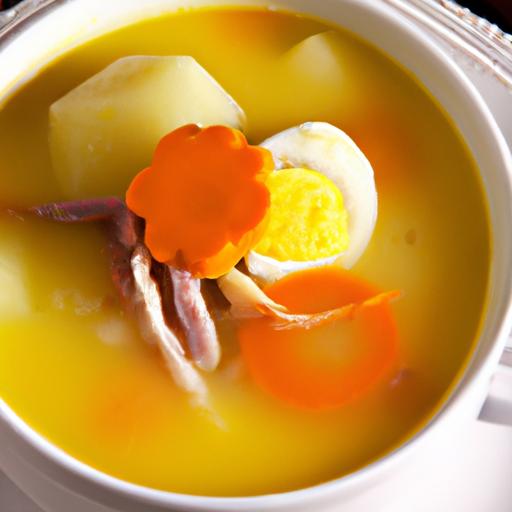
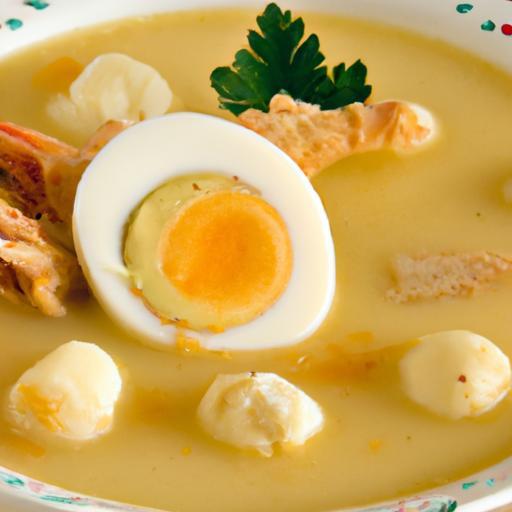
- Garnish with hard-boiled eggs: Slice 4 eggs and nestle atop each bowl for a classic visual and textural contrast
- Serve with fried ripe plantains or corn tortillas for a delightful crunch and sweetness to complement the savory soup
- Pair with Ecuadorian white wine or a crisp herbal infusion like lemongrass tea, highlighting the soup’s earthy richness
- Prepare a simple side salad of local greens and avocado dressed with lime to add a zesty freshness
Ingredients
- 1 lb salted cod (bacalao), soaked and shredded
- 1 cup dried fava beans, soaked overnight
- 1 cup dried chochos (lupini beans), soaked overnight
- 1 cup fresh peas, shelled
- 2 cups fresh corn kernels (choclo)
- 4 cups pumpkin (zapallo), peeled and chopped
- 1 medium onion, finely chopped
- 3 garlic cloves, minced
- 3 tbsp achiote oil
- 2 cups whole milk
- 4 cups vegetable or fish broth
- 1 cup queso fresco, crumbled
- 1/2 cup fresh cilantro, chopped
- 4 hard-boiled eggs, sliced
- Salt and ground cumin, to taste
Instructions
- Cook legumes: Drain soaked fava beans and chochos. Place in separate pots with fresh water, simmer over medium heat until tender but firm, about 40 minutes. Drain and set aside.
- Prepare pumpkin purée: Heat achiote oil in a large pot. Sauté onion and garlic until fragrant and translucent, about 5 minutes. Add pumpkin pieces and broth; simmer until pumpkin is soft, 20 minutes. Use an immersion blender to purée until smooth. Stir in milk and warm through gently.
- Cook cod: Boil soaked salted cod in water for 10 minutes,drain,and shred off bones and skin.
- Combine and simmer: Add cooked legumes,corn kernels,shredded cod,and broth to the pumpkin purée. Simmer for 15 minutes,stirring occasionally to blend flavors.
- Season and add cheese: Stir in cilantro, ground cumin, and season with salt carefully. Add queso fresco and allow it to melt slightly into the soup.
- Serve: Ladle soup into bowls, garnish with sliced hard-boiled eggs, and enjoy with plantains or tortillas.
Chef’s Notes and Tips for Success
- Legume selection: Authentic Fanesca includes up to 12 grains and beans. Feel free to add mote, lentils, or chickpeas for variety and tradition.
- Salted cod alternatives: For a fresher option, use fresh white fish with added sea salt; soak less to control saltiness.
- Make-ahead: Soup flavors deepen overnight,making this a perfect dish to prepare a day ahead and reheat gently.
- Consistency tricks: for thicker soup, increase pumpkin puree or reduce broth slightly; for thinner, add broth gradually.
Serving Suggestions
Present your Fanesca with a colorful sprinkle of fresh chopped cilantro and bright sliced hard-boiled eggs to create an inviting contrast. Accompany with golden, fried ripe plantains or warm tortillas to balance the richness. For drinks, a chilled Ecuadorian white wine or citrusy herbal tea will refresh the palate as you savor this deeply traditional Easter soup.
| Nutrient | Per Serving |
|---|---|
| Calories | 340 kcal |
| Protein | 28 g |
| Carbohydrates | 30 g |
| Fat | 9 g |

For a deeper dive into Ecuadorian culinary traditions, explore our Ecuadorian Cuisine Guide, and learn more about the cultural meaning of traditional dishes. To understand the past context of salted cod in global cuisine, check this Britannica article on bacalhau.
Q&A
Q&A: Fanesca Recipe – Ecuador’s Traditional Easter Soup Unveiled
Q1: What is Fanesca,and why is it so special in Ecuadorian culture?
A1: Fanesca is a rich,hearty soup that Ecuadorians prepare annually during Holy week,especially for Easter. It’s more than just food – it’s a culinary tradition steeped in symbolism, community, and faith. each ingredient tells a story, representing the twelve apostles, and the soup itself is a celebration of indigenous and Spanish heritage blending beautifully in one bowl.
Q2: What are the key ingredients that make Fanesca unique?
A2: The magic of Fanesca lies in its diverse and symbolic ingredients. Traditionally,it features a variety of dried beans and grains-like chochos (lupin beans),lentils,fava beans,and peas-alongside fresh corn,squash,and zapallo (a type of pumpkin). the star ingredient is bacalao,salted dried codfish,which ties the dish to its Iberian roots. Cream and cheese enrich the broth, creating a velvety texture that’s both comforting and festive.
Q3: How do the ingredients symbolize the apostles?
A3: Ecuadorian lore associates the twelve types of grains and beans used in Fanesca with the twelve apostles of Jesus. This symbolic relationship turns the making and sharing of the soup into a communal ritual of remembrance and reverence during the Easter celebrations.
Q4: What’s the preparation process like? Is it difficult to make?
A4: Making Fanesca is a labour of love! The preparation can take several hours, begining on the eve of Holy Week to soak the beans and prepare each component separately.The vegetables are carefully cooked and blended to create a hearty base.The cod is soaked overnight to remove excess salt and then gently cooked into the soup. While it requires patience and some advanced planning, the process is part of the tradition, frequently enough bringing families together in the kitchen.
Q5: Can Fanesca be adapted for those who don’t eat fish?
A5: Absolutely! While traditional Fanesca calls for bacalao, many modern cooks experiment with chicken or keep it vegetarian, focusing on the beans and grains.Some vegan versions use smoked tofu or seaweed to mimic the salty depth of cod.The heart of the dish is its cultural significance and celebratory spirit, which can be honored in many ways.
Q6: How is Fanesca typically served and enjoyed?
A6: Fanesca is best served hot, garnished with hard-boiled eggs, slices of fried plantain, cheese, and sometimes fresh herbs. It’s a communal centerpiece at Easter tables, enjoyed alongside family and friends. A glass of ecuadorian chicha or fresh fruit juice frequently enough accompanies it, enriching the festive mood.
Q7: Why has Fanesca endured as a beloved tradition?
A7: Fanesca’s endurance is tied to its deep roots in Ecuadorian identity. It’s a dish that unites generations, blending indigenous and colonial histories into a flavorful narrative. More than sustenance, it’s a symbol of renewal, faith, and cultural pride – reminding Ecuadorians of their shared stories and the warmth of coming together to celebrate life and heritage.
Through this soulful soup, Ecuador offers a taste of its history, faith, and vibrant community – one spoonful at a time.
To Conclude
As the final simmer settles and the rich aromas of Fanesca fill your kitchen, you’ve not onyl prepared a dish-you’ve connected with centuries of Ecuadorian tradition. This humble soup, brimming with symbolic ingredients and heartfelt history, offers more than just nourishment; it tells a story of culture, faith, and community. Whether you’re serving it at an Easter celebration or simply exploring new culinary horizons, Fanesca invites you to savor a taste of Ecuador’s vibrant heritage with every spoonful. So gather your loved ones, dig in, and let this time-honored recipe warm both body and soul until next year’s Easter calls for it again.