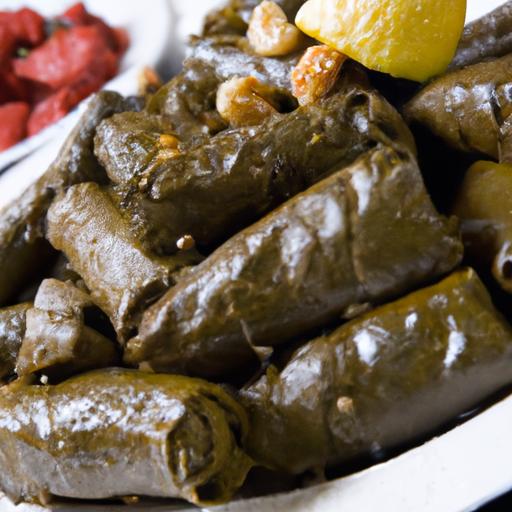

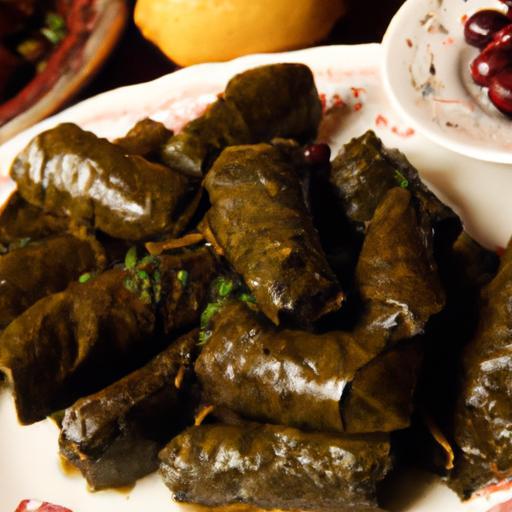
In the realm of Middle Eastern cuisine, few dishes embody the perfect union of tradition, flavor, and artistry quiet like stuffed grape leaves-known as Warak Enab. These delicate parcels of vine-wrapped goodness have journeyed through centuries and across borders,weaving together stories of culture and family. Mastering the art of Warak Enab is more than just following a recipe; it’s an invitation to explore textures, balance spices, and embrace patience. Whether you’re a curious home cook or a seasoned foodie eager to expand your culinary repertoire, this guide will lead you step-by-step through the time-honored techniques and secrets that transform humble grape leaves into a lustrous, savory delight. Prepare to roll up your sleeves and embark on a flavorful adventure that captures the heart and soul of this beloved dish.
Mastering Stuffed Grape Leaves brings you face-to-face with the timeless charm of Warak Enab, a dish that beautifully weaves history, culture, and culinary artistry into every bite. Originating from the levantine region,Warak Enab – or stuffed grape leaves – isn’t just a dish; it’s a symbol of family gatherings,shared stories,and festive celebrations. My earliest memory of Warak Enab is of my grandmother methodically rolling each leaf with precision,humming old melodies as the kitchen filled with the scent of lemon and fresh herbs. This dish encapsulates love, patience, and the vibrant spirit of Middle Eastern cuisine.
Prep and Cook Time
- Preparation: 45 minutes
- Cooking: 1 hour 15 minutes
- Total: 2 hours
Yield
Serves 6-8 people generously, perfect for family dinners or festive occasions.
Difficulty Level
Medium: Requires patience and technique but is highly rewarding for any home cook eager to embrace authentic Middle Eastern flavors.
Ingredients
- 500g fresh grape leaves, rinsed and trimmed (or 1 jar brined grape leaves, soaked to reduce salt)
- 1 cup long-grain rice, rinsed and drained
- 250g ground lamb or beef (choose lean meat for tenderness)
- 1 large onion, finely chopped
- 2 ripe tomatoes, diced
- 1/2 cup fresh parsley, finely chopped
- 1/4 cup fresh mint, finely chopped
- 1/4 cup olive oil, plus extra for drizzling
- Juice of 2 lemons (plus slices for garnish)
- 1 tsp ground allspice
- 1 tsp ground cinnamon
- Salt and freshly ground black pepper, to taste
- Water or broth, as needed to cover in pot
Instructions
- Prepare the filling: In a large skillet, heat 2 tbsp olive oil over medium heat. Sauté the onions until translucent, about 5 minutes. Add the ground meat, cooking until browned but not fully cooked through, about 7 minutes. Stir in the rice,tomatoes,parsley,mint,allspice,cinnamon,salt,and pepper. Mix thoroughly and cook for 3 more minutes off the heat. stir in half the lemon juice and remove from heat.
- Prepare grape leaves: If using fresh grape leaves, blanch them in boiling water for 2 minutes to soften, then drain and pat dry.For jarred leaves, rinse well and soak in warm water for 10 minutes to remove excess brine.
- Rolling technique: lay one grape leaf shiny side down on a clean surface. Place about 1 tablespoon of filling near the stem end of the leaf. Fold the bottom stem over the filling, then fold in the sides snugly. Roll upward tightly but gently to avoid tearing. Repeat until all filling is used.
- Layering in pot: Line the bottom of a heavy-bottomed pot with a few grape leaves to prevent sticking. Arrange rolled leaves seam-side down in compact rows or circles to maximize space, stacking layers carefully. Drizzle with remaining olive oil and lemon juice.
- Cooking: Place a heatproof plate or heavy lid on top of the stuffed leaves to keep them submerged. Pour enough water or broth to just cover the rolls. Cover the pot tightly and simmer gently for 1-1.25 hours, checking occasionally to maintain liquid levels but avoid stirring.
- Rest and serve: Let the pot rest for 15 minutes after cooking to allow flavors to meld. Carefully remove the top layer and plate the Warak enab with fresh lemon slices and a drizzle of olive oil.
Chef’s Notes & tips for Success
- Leaf selection: Choose tender, young grape leaves for pliability and minimal bitterness. Avoid large, tough leaves.
- Rice choice: Long-grain rice holds its shape well during cooking, delivering a pleasant texture inside the rolls.
- Flavor balance: The secret to masterful warak Enab lies in balancing the herbs, spices, and the citrus tang of lemon juice.
- Make-ahead tip: The stuffed grape leaves freeze beautifully. Roll them, flash freeze on a tray, then store in airtight containers for up to 3 months.
- Vegetarian variation: Omit meat and add pine nuts or sautéed mushrooms for a rich,plant-based filling.
- Cooking liquid: Using chicken broth instead of water imparts extra depth,but water with lemon juice is conventional and perfectly satisfying.
Serving Suggestions
serve your Warak Enab warm or at room temperature for an authentic experience. Garnish with fresh lemon wedges and a sprinkle of chopped mint or parsley. Pair this delight with cool,tangy tahini sauce or a dollop of creamy labneh for contrast.A side of fattoush salad and pita bread completes the meal, offering a vibrant Mediterranean spread that will enchant guests and family alike.

| Nutrient | Per Serving |
|---|---|
| Calories | 210 kcal |
| Protein | 12 g |
| Carbohydrates | 22 g |
| Fat | 9 g |
To deepen your mastery of Middle Eastern culinary classics, explore our guide on Serious Eats’ authentic dyeing techniques and cultural insights.
Q&A
Q&A: Mastering Stuffed Grape Leaves – A Warak Enab Delight Guide
Q1: What exactly are stuffed grape leaves, or Warak Enab?
A: Warak Enab, often affectionately called stuffed grape leaves, are a beloved culinary treasure across the Middle East and Mediterranean. Tender grape leaves lovingly wrapped around a flavorful filling-usually a mixture of rice, aromatic herbs, spices, and sometimes meat-then slow-cooked to perfection. Each bite is a delightful harmony of textures and tastes,balancing earthy leaves with savory,zesty interiors.
Q2: Why is Warak Enab such an iconic dish?
A: It’s a symbol of comfort and community.Passed down through generations, Warak Enab often graces family tables during celebrations and everyday meals alike. It embodies the tradition of using simple ingredients to create something extraordinarily satisfying, evoking memories, warmth, and shared stories with every roll.
Q3: What are the key ingredients to master authentic Warak Enab?
A: Fresh grape leaves are the star-shining, pliable, and bursting with subtle tartness. The filling is typically a dance between short-grain rice, fresh herbs like parsley, mint, dill, onions, and spices such as allspice, cinnamon, and sometimes a touch of pepper. For meat versions, lean ground lamb or beef blends in beautifully. Quality lemon juice or tangy tomato sauce finishes the dish with a refreshing zing.
Q4: How do you prepare grape leaves for stuffing without them tearing?
A: handling grape leaves requires a tender touch and a little patience. If using fresh leaves, blanch them briefly in boiling water to soften and rinse with cold water to stop cooking.For jarred leaves,soak them in warm water to remove excess brine and soften. Always remove tough stems and pat them dry gently-this prevents tears and makes rolling a breeze.
Q5: Is ther a secret technique for rolling perfect grape leaves?
A: Absolutely! Start by laying the leaf shiny side down, place a modest spoonful of filling near the stem end, fold in the sides snugly, and then roll away from you tight enough to hold but not so tight that the rice bursts during cooking.Think of it like tucking an edible sleeping bag-cozy but with room to expand.
Q6: How should stuffed grape leaves be cooked for that meltingly tender finish?
A: Traditional wisdom calls for gentle simmering.Arrange the rolls snugly in a pot, layer with lemon slices or cabbage leaves to prevent sticking, cover with water or broth plus a drizzle of olive oil, then place a heatproof plate on top to keep them from unraveling. Slow cooking on a low flame lets flavors meld and leaves turn tender without falling apart.
Q7: Can Warak Enab be enjoyed cold, or only hot?
A: Warak Enab is a versatile delight! It shines hot, fresh off the stove as a savory main or side, but it also sings chilled or at room temperature. Cold versions frequently enough appear as appetizers or mezze-intensifying the tangy lemon notes and making for refreshing bites on warm days.
Q8: Are there vegetarian or vegan variations of Warak Enab?
A: Definitely! The most common vegetarian version swaps meat for an abundance of fragrant herbs, pine nuts, currants, or chopped vegetables. As the core ingredient is rice and herbs,these versions are naturally vegan-friendly. The secret is balancing seasoning and acidity to keep the flavor vibrant and wholesome.
Q9: What common mistakes should beginners avoid when making stuffed grape leaves?
A: Overfilling the leaves,rolling too loosely,or cooking at too high a heat are frequent pitfalls. Overstuffing leads to bursting leaves; loose rolls unravel during cooking; high heat can cause the rice to stick or burn before fully cooking. Patience and gentle hands are your best allies.Q10: How can someone personalize their Warak Enab recipe?
A: Play with herbs-adding more dill for brightness or mint for freshness-experiment with different spices like nutmeg or paprika, or introduce unique fillings like lentils or chickpeas for texture. You can also tweak the cooking liquid: substituting water for vegetable broth or infusing it with saffron or rose water adds depth. Warak Enab is a canvas-let your palate paint the masterpiece!
Mastering Warak Enab is part science, part art, and all heart. With these tips and insights, anyone can roll up their sleeves and create this timeless stuffed grape leaf delight-a delicious bridge between tradition and innovation on your dining table. Bon appétit!
Key Takeaways
As you close the chapter on your journey through the art of mastering stuffed grape leaves, or Warak Enab, you’ve uncovered more than just a recipe-you’ve embraced a culinary tradition that weaves together history, culture, and the timeless joy of sharing a meal. Whether you’re savoring the tangy-sweet balance of lemon and rice, or perfecting the tender, vine-wrapped parcels that burst with flavor, each bite tells a story of patience and passion. So,roll up your sleeves,gather your ingredients,and let your kitchen become a haven were this beloved Middle Eastern delicacy comes alive. With each carefully wrapped leaf, you’re not only crafting a dish but also preserving a delicious legacy-one unforgettable Warak Enab at a time.