
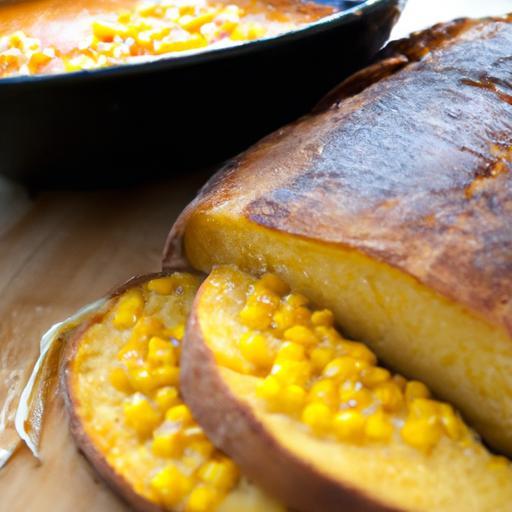
Nestled within the vibrant culinary tapestry of South America lies a lesser-known but beloved treasure from Paraguay: Sopa Paraguaya. Despite its name hinting at a humble soup, this customary dish is actually a hearty, golden cornbread that carries the rich flavors and history of Paraguayan culture in every bite. Made from simple ingredients like cornmeal, cheese, milk, and onions, Sopa Paraguaya combines rustic charm with a satisfyingly dense texture, making it a staple at family gatherings and festive celebrations alike. In this article, we’ll uncover the secrets behind this delicious cornbread, exploring its origins, cultural meaning, and a step-by-step recipe so you can bring a taste of Paraguay straight to yoru kitchen.
Sopa Paraguaya Recipe: Traditional Cornbread From Paraguay is more than just a beloved side dish; it is a culinary symbol steeped in history and cultural significance. Originating in Paraguay, this dense, cheesy cornbread carries a legacy that dates back to the Guaraní people and the colonial era, reflecting a unique blend of indigenous and Spanish culinary influences that continue to captivate food lovers around the globe.
Origin and Cultural significance in Paraguayan Cuisine
Unlike what its name suggests, Sopa Paraguaya isn’t a soup at all but a hearty cornmeal-based bread. The term “sopa” derives from a time when bread was soaked or cooked in broth; however, over centuries, the dish evolved into a solid, savory delight basic to Paraguayan meals. Traditionally, it’s served alongside rich stews and grilled meats, embodying warmth and comfort in every bite. This cornbread is a staple at family gatherings, holidays, and national celebrations, making it an enduring emblem of Paraguayan identity and hospitality.
Key Ingredients That Define Authentic Paraguayan Cornbread
- white corn flour (harina de maíz) – the foundation,finely ground yet coarse enough to give texture
- Fresh Paraguayan cheese or a similar mild,crumbly cheese – imparts creaminess and a salty bite
- Milk – adds moisture and richness
- Onion,finely chopped and sautéed – offers subtle sweetness and depth
- Eggs – act as a binder to achieve that perfect crumb
- Butter or pork fat – for a silky,moist texture
- Baking powder – ensures lightness despite the dense batter
- Salt and pepper – simple seasoning to balance flavors
Prep and Cook Time
- Planning: 15 minutes
- Cooking: 40 minutes
- Total: 55 minutes
Yield
Serves 6-8 people,perfect for sharing at festive meals or everyday family dinners.
Difficulty Level
medium – requires attention to batter consistency and baking technique but completely achievable for home cooks with a bit of practice.
Step-by-Step Guide to Preparing Traditional Sopa Paraguaya
- Sauté the onion: In a medium skillet, melt 2 tablespoons of butter over medium heat. Add 1 cup finely chopped onion and cook until translucent and golden, about 8 minutes. Stir occasionally to prevent burning. Set aside to cool.
- Prepare the batter: In a large mixing bowl, whisk together 2 cups white corn flour, 1 tablespoon baking powder, and 1 teaspoon salt.
- Mix wet ingredients: In a separate bowl, beat 4 large eggs until fluffy. Stir in 1 ½ cups warm milk, the cooled sautéed onions, and ½ cup melted butter or pork fat.
- Combine: Gradually add the wet mixture into the dry ingredients, folding gently to avoid overmixing. The batter will be thick but moist.
- Add cheese: incorporate 2 cups crumbled fresh cheese gently, reserving a handful to sprinkle on top.
- Preheat oven to 350°F (175°C): Grease a 9×9 inch baking dish thoroughly with butter or oil to prevent sticking.
- Bake: Pour the batter into the dish, smooth the surface with a spatula, and sprinkle the reserved cheese on top for a golden crust. Bake for 35-40 minutes, or until the top is firm, golden brown, and a toothpick inserted in the center comes out clean.
- Cool slightly: Let the sopa paraguaya rest for 10 minutes before slicing to retain its shape and texture.
Expert Tips for Achieving the Perfect Texture and Flavor
- Use fresh Paraguayan-style cheese or substitute with mild queso fresco or farmer’s cheese for authenticity and creaminess.
- Ensure the onions are soft and caramelized; raw onions can overpower the delicate balance of flavors.
- the batter should be thick yet moist; avoid adding too much milk to prevent a soggy texture.
- For extra depth, consider adding a touch of smoked paprika or a pinch of nutmeg to the batter.
- Do not overbake; the cornbread should be dense but tender, not dry or crumbly.
- Allow the cornbread to rest 10 minutes before serving; this helps the texture set beautifully.
- Make ahead: Sopa Paraguaya can be baked the day before and gently reheated in the oven to enjoy with enhanced flavors from resting.
Serving Suggestions
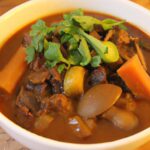
This traditional cornbread pairs wonderfully with hearty asado (Paraguayan barbecue), stews like Bori-Bori, or fresh garden salads. Serve warm, sliced into squares, garnished with fresh parsley or a drizzle of mild olive oil. For an elegant touch, accompany with a side of spiced tomato salsa or a creamy chimichurri sauce to elevate the flavors.

| Nutrient | Per Serving |
|---|---|
| Calories | 220 |
| Protein | 8g |
| Carbohydrates | 28g |
| Fat | 8g |
Want to explore more authentic Paraguayan dishes? Discover traditional recipes like Paraguayan cuisine to deepen your culinary adventure.
Q&A
Q&A: All About Sopa Paraguaya – The Beloved Traditional Cornbread from Paraguay
Q: What exactly is Sopa Paraguaya?
A: Despite its name, Sopa Paraguaya isn’t a soup at all! it’s a dense, cheesy cornbread that’s a beloved staple of Paraguayan cuisine. Traditionally, it’s moist, slightly sweet, and packed with flavors from local ingredients like corn flour, fresh cheese, onions, and sometimes a touch of coriander.
Q: why is it called “Sopa” if it’s not a soup?
A: The name “Sopa Paraguaya” is a quirky linguistic twist.Historians believe it originated from the days of the Spanish conquest, when the indigenous people tried to replicate the Spanish wheat bread but used corn and local ingredients rather. The term “sopa” referred to bread soaked in broth, but in Paraguayan Spanish, it evolved to mean this dense, cornbread dish. So, it’s a nod to its heritage, blending language and culture.
Q: What makes Sopa Paraguaya different from other cornbreads?
A: Unlike typical crumbly cornbreads, Sopa Paraguaya is rich and moist thanks to the generous addition of paraguayan cheese-often a fresh, slightly salty cheese similar to mozzarella-and whole eggs. The inclusion of sautéed onions adds a savory depth. The result is a tender, flavorful bread that’s more custard-like inside, almost cake-esque in texture.
Q: Can I find the ingredients outside of Paraguay?
A: While some ingredients are unique, you can often find good substitutes. Paraguayan corn flour (called “maíz de harina fina”) is finely ground and slightly sweet. You can use a good-quality cornmeal or corn flour but seek a fine grind for best results. For cheese, fresh farmer’s cheese or queso fresco is a good stand-in. Onions and eggs are universal!
Q: How is Sopa Paraguaya traditionally served?
A: it’s typically served as a side dish alongside meat stews, especially the iconic Paraguayan “asado” (barbecue), or with a hearty soup. It’s perfect warm, eaten fresh from the oven, and often enjoyed during family gatherings or festivals. The cornbread’s savory-sweet balance complements rich, smoky flavors beautifully.
Q: What’s the basic process for making Sopa Paraguaya?
A: First, you sauté finely chopped onions until golden and fragrant.Then, you mix corn flour, eggs, crumbled fresh cheese, milk, and the sautéed onions into a batter. The mixture is poured into a greased baking dish and baked until golden and set. The aroma that fills your kitchen? Pure Paraguayan comfort.
Q: Any tips for baking a perfect Sopa Paraguaya?
A: Absolutely! Use fresh ingredients, especially the cheese and eggs, for that authentic taste. Don’t skimp on the onions-they bring a subtle sweetness and moisture. Bake it until a toothpick comes out clean but avoid overcooking; it should be moist but firm. also, let it cool slightly before cutting to preserve its structure.
Q: Can Sopa Paraguaya be adapted for modern twists or dietary preferences?
A: For sure! some experimental cooks add herbs like parsley or swap traditional cheese with vegan alternatives, though the classic flavor is hard to beat. Ther are also gluten-free versions sence traditional recipes don’t use wheat flour,making it naturally suitable for gluten-sensitive eaters.
Q: Why should this traditional recipe be part of my culinary repertoire?
A: Sopa Paraguaya is more than cornbread-it’s a cultural story in every bite. It offers a delicious way to connect with Paraguayan heritage, adds diversity to your bread and side dish options, and introduces you to a unique balance of flavors you won’t find elsewhere.Plus, it’s downright comforting!
Ready to bake a taste of Paraguay? Embrace the rich tradition and warm kitchens of South America with your own homemade Sopa Paraguaya-a true cornbread treasure!
Final Thoughts
As the aroma of melted cheese and sweet corn fills your kitchen, preparing Sopa Paraguaya invites you to connect with a rich cultural heritage that has delighted Paraguayan tables for generations. This traditional cornbread,simple yet flavorful,captures the heart of paraguay’s culinary identity-melding humble ingredients into a dish that’s both comforting and celebratory. Whether you’re sharing it with family or enjoying it as a savory snack, Sopa Paraguaya offers a taste of history wrapped in every golden bite. So next time you crave something authentically South American, let this recipe transport you straight to the warm, welcoming homes of paraguay.