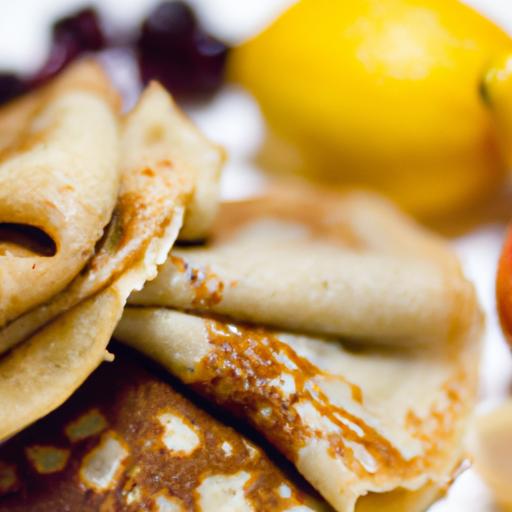

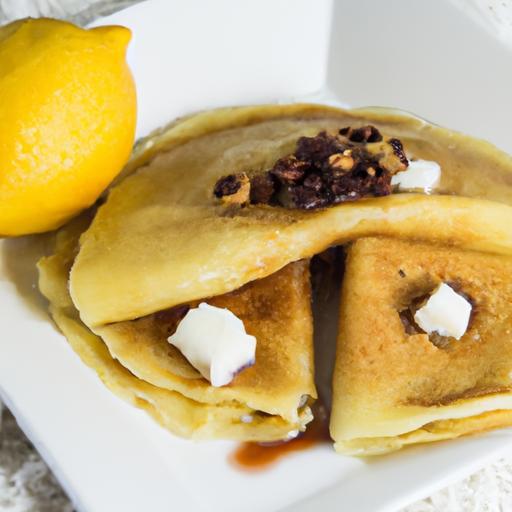
In the enchanting world of Middle Eastern desserts, few treats capture the inventiveness quite like qatayef-delicate, crescent-shaped pancakes stuffed with luscious fillings that tell stories of tradition, party, and sweet indulgence. Mastering qatayef is more than learning a recipe; it’s an invitation to embrace an ancient art form that transforms simple ingredients into a symphony of textures and flavors. Whether nestled in the warmth of a family gathering during Ramadan or shared as a festive delight, these stuffed sweet pancakes embody a rich cultural heritage that has traveled through generations. Join us as we unravel the secrets behind crafting perfect qatayef, guiding you step by step through this culinary journey of mastery and mouthwatering magic.
Mastering Qatayef: The Art of Stuffed Sweet Pancakes
Mastering Qatayef: The Art of Stuffed Sweet Pancakes is a journey into one of the Middle East’s most cherished desserts, especially celebrated during Ramadan and festive occasions. This delicacy,with its origins tracing back hundreds of years,embodies a perfect harmony of textures and flavors that tell stories of ancient kitchens and festive gatherings. I still remember the warmth of my grandmother’s kitchen, where the sweet aroma of cardamom and rosewater-infused syrup filled the air as she expertly folded each pancake, transforming simple ingredients into a treasured family tradition. The joy of creating Qatayef lies not just in its sweet taste but in the ritual and cultural importance behind each step.
Prep and cook Time
- Readiness: 30 minutes
- Cooking: 20 minutes
- Total: 50 minutes
Yield
Approximately 20 medium-sized Qatayef (serves 6-8)
Difficulty Level
Medium – requires patience and technique but rewarding with practice
Selecting the Perfect Ingredients for Authentic Flavor and Texture
Choosing authentic ingredients is crucial when mastering Qatayef: the art of stuffed sweet pancakes. The batter is traditionally made with sifted all-purpose flour to ensure lightness, while semolina flour adds a pleasantly resilient texture that holds the pancake’s unique shape. Fresh yeast or baking powder ensures bubbles that create the signature porous top. For the filling, classic options include finely chopped walnuts, pistachios, or creamy akkawi cheese, infused with aromatic orange blossom or rosewater to elevate every bite. The syrup, a fragrant concoction of sugar, lemon, and floral waters, seals the deal, adding that delicate sweetness and moisture.
Ingredients
- For the batter:
- For the filling (walnut and pistachio blend):
- 1 cup finely chopped walnuts
- ½ cup shelled pistachios, chopped
- 2 tbsp powdered sugar
- 1 tsp ground cinnamon
- 1 tsp orange blossom water
- For the syrup (attar):
- 2 cups granulated sugar
- 1 ½ cups water
- 1 tbsp lemon juice
- 2 tsp rosewater or orange blossom water
Step by Step techniques for Preparing and Stuffing Qatayef
- Prepare the batter: In a large bowl, whisk together flour, semolina, sugar, dry yeast, baking powder, and salt. Slowly add lukewarm water, stirring continuously until a smooth, lump-free batter forms.Cover and let rest for 30 minutes; small bubbles will begin forming on the surface.
- Cook the pancakes: heat a non-stick skillet over medium heat. Using a 3-4 inch ladle or spoon, pour batter to form small circles. Cook only on one side until the surface is dry and full of bubbles (about 2-3 minutes).Avoid flipping to preserve the moist underside.
- Prepare the filling: In a bowl, combine chopped walnuts, pistachios, powdered sugar, cinnamon, and orange blossom water. Mix until evenly incorporated and fragrant.
- Stuff the Qatayef: Place about a teaspoon of the nut filling on the cooked side of each pancake. Fold the pancake in half, pinching the edges firmly to seal but leaving a slight curve-creating the conventional crescent shape.
- Fry or bake: For the classic golden finish, heat vegetable oil in a deep skillet. Fry stuffed Qatayef on medium heat until golden brown and crisp, about 2 minutes per side, turning gently. Alternatively, brush with melted butter and bake in a preheated oven at 375°F (190°C) for 15 minutes until golden.
- Soak in syrup: Promptly transfer cooked Qatayef into warm syrup to absorb the sweet infusion.Let sit for 5 minutes before serving.
Expert Tips for Cooking Qatayef to Golden Perfection
Achieving the perfect Qatayef is an art that balances moisture, texture, and flavor. Be sure to monitor your skillet’s heat closely; too hot and the pancakes burn, too cool and they won’t cook through, resulting in soggy centers. Fresh batter is key-if it rests too long, it will lose its leavening power. When folding, press the edges tightly but gently to avoid tearing while keeping the middle soft and filling intact. For a crispier shell, don’t overcrowd the pan during frying and maintain medium heat.Lastly, warm syrup enhances absorption, so gently heating it before soaking makes each bite syrupy yet never soggy.
Chef’s Notes and Tips for Success
- Variation: Swap the nut filling for sweetened ricotta or a blend of sweetened cream cheese and pistachios for a creamy twist.
- Make-ahead: Prepare batter and filling the day before. Store batter in the refrigerator and bring it back to room temperature before cooking.
- Substitutions: Use gluten-free flour blends with the addition of xanthan gum if dietary restrictions require it.
- Troubleshooting: If Qatayef don’t seal properly, try dampening the edges with a tiny water brush to enhance adhesion.
Serving Suggestions
Serve Qatayef warm, drizzled generously with rosewater infused syrup and a garnish of crushed pistachios for crunch and color. Pair with a side of fresh cream or a dollop of labneh sweetened lightly with honey for a luscious balance. For visual appeal, present them on a rustic wooden platter lined with parchment paper, flecked with edible rose petals or pomegranate arils to echo their fragrant bouquet and festive roots.

| Nutrient | Per Serving (2 Qatayef) |
|---|---|
| Calories | 210 kcal |
| Protein | 5 g |
| Carbohydrates | 32 g |
| Fat | 8 g |
For further inspiration on Middle Eastern sweets and their cultural backstories, explore our Arabic Dessert Recipes Collection. To deepen your knowledge about the historical roots of qatayef, visit Encyclopedia Britannica.
Q&A
Q&A: Mastering Qatayef – The Art of Stuffed Sweet Pancakes
Q1: What exactly is qatayef?
A1: Qatayef is a beloved Middle Eastern dessert, often enjoyed during Ramadan.These are small, delicate pancakes stuffed with a variety of sweet fillings like nuts, sweet cheese, or cream, then folded and either fried or baked until golden. The result? A crispy, syrup-soaked treat that’s both comforting and decadent.
Q2: What makes Qatayef so special compared to other stuffed pancakes?
A2: Unlike typical pancakes, Qatayef is made with a unique batter that’s light and airy, creating tiny pockets perfect for filling. The tradition behind Qatayef-celebrated for centuries-is steeped in festive joy, connecting families to cultural roots with every bite. Plus,the combination of crispy edges with syrup-soaked softness is pure magic.
Q3: Can you explain the art of making the perfect Qatayef batter?
A3: Absolutely! The batter is simple yet requires patience. It’s typically made from flour,yeast,sugar,and water,beaten until frothy. The key is to pour just enough batter onto a hot griddle to create a half-pancake with tiny bubbles forming on the surface but no flipping.this bubble-studded texture is what gives Qatayef its signature tenderness and ability to hold fillings without tearing.
Q4: what are the most traditional fillings used in Qatayef?
A4: Traditionally, Qatayef is stuffed with a blend of crushed walnuts or pistachios mixed with sugar and aromatic spices like cinnamon or orange blossom water. Another classic filling is sweet cheese, like akkawi or ricotta, often enhanced with a touch of rose or orange blossom water. For a lighter twist, freshly whipped cream or ashta can be used, frequently enough paired with a drizzle of syrup.
Q5: How do you perfect the folding and sealing technique?
A5: after placing a spoonful of filling on the flat side of the pancake, gently fold it over into a half-moon shape. Pinch the edges firmly-some even crimp them-to ensure the filling stays put. This step is crucial as it prevents the sweet syrup from leaking during frying or baking, preserving both texture and flavor.
Q6: What’s the best cooking method: frying or baking?
A6: Both methods yield delightful results but offer different experiences. Frying in hot oil produces a crispy, golden shell that contrasts beautifully with the soft filling. baking, on the other hand, offers a lighter texture and is often preferred by those seeking a less greasy option. Ultimately, it depends on your taste and desired texture.
Q7: How do you finish and serve Qatayef?
A7: Once cooked, the Qatayef are traditionally drenched in a fragrant sugar syrup infused with rose water or orange blossom water. Serving is often accompanied by a sprinkle of crushed pistachios or a dusting of powdered sugar. Warm or at room temperature, Qatayef is a truly indulgent treat that can transport anyone to festive gatherings in the heart of the Middle East.
Q8: Can Qatayef be made in advance, or is it best served fresh?
A8: While Qatayef is best enjoyed fresh for that perfect contrast of crispiness and syrupy softness, you can prepare the pancakes and fillings ahead of time. Assemble just before cooking to maintain texture. Leftovers can be gently reheated but may lose some of their signature crunch.Q9: Are there modern twists to this traditional dessert?
A9: Definitely! Chefs and home cooks alike experiment by incorporating chocolate, Nutella, or exotic fruits into the fillings. Vegan and gluten-free versions have also emerged, expanding Qatayef’s appeal while honoring its core essence of celebration and sweetness.
Q10: What tips do you recommend for beginners eager to master Qatayef?
A10: Start with a simple filling and focus on mastering the batter’s consistency and cooking technique. Patience is key-watch for the bubble formation carefully and don’t rush the folding. Use quality ingredients and don’t hesitate to infuse your syrup with fragrant essences. With practice, you’ll soon create Qatayef that are as stunning to look at as they are delicious to eat!
Future Outlook
As the sweet aroma of freshly prepared qatayef fills the kitchen, it becomes clear that mastering this delicate art is more than just a culinary endeavor-it’s a celebration of heritage, creativity, and patience. whether you favor the soft, nut-studded interiors or the rich, creamy fillings, each bite tells a story steeped in tradition and passion.By embracing the techniques and tips shared, you’re not just making stuffed sweet pancakes; you’re crafting edible pieces of culture, ready to delight and inspire. So roll up your sleeves, mix that batter with love, and let your mastery of qatayef transport you-and those you share it with-into a world of timeless flavors and heartfelt joy.