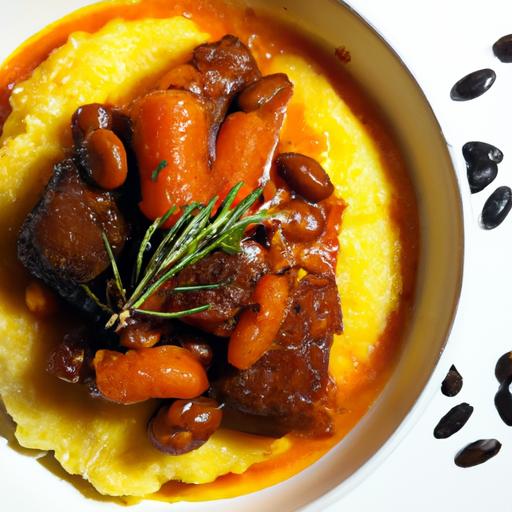

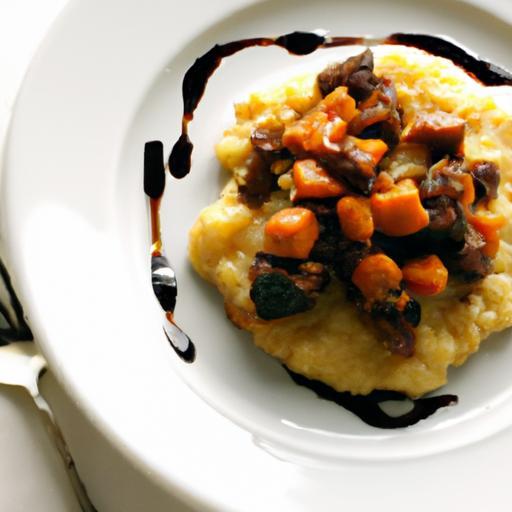
Nestled high in the rugged landscapes of Italy’s Alpine regions, a humble yet hearty dish has warmed kitchens and hearts for centuries: Polenta Taragna. Far from the simple cornmeal porridge many imagine,this traditional Alpine delight combines the creamy comfort of cornmeal with the rich,nutty presence of buckwheat flour and melted mountain cheeses.Its rustic origins speak of resourcefulness and community, born from the need to fuel laborers braving chilly mountain days. Today, Polenta Taragna stands as a vibrant testament to alpine culinary heritage-offering a perfect harmony of texture and flavor that invites both nostalgia and discovery. Join us as we explore the story and recipe behind this timeless comfort food,and learn how to bring a taste of the mountains right to your table.
Hearty Polenta Taragna is more then just a comforting Alpine dish – it’s a festivity of rustic mountain flavors and centuries-old culinary traditions.Originating from the slopes of the Italian Alps,notably the Valtellina and Bergamo regions,this dish reflects the resourcefulness and hearty lifestyle of Alpine communities. Its warm, creamy texture made with a blend of cornmeal and buckwheat flour, combined with melting local cheeses and butter, symbolizes both simplicity and richness-a perfect balance for alpine winters. Every spoonful evokes the misty mountain mornings and the hearty meals shared among families after a day outdoors.
Prep and Cook Time
Planning: 10 minutes
Cooking: 45 minutes
Total time: 55 minutes
Yield
Serves 4 generous portions
Difficulty Level
Medium – requires patience and gentle stirring for ideal creaminess
Selecting the Perfect Ingredients for an Authentic Hearty Polenta Taragna
To craft an authentic hearty polenta taragna, ingredient quality is key. The traditional mix of yellow cornmeal and fine buckwheat flour creates the distinctive nutty depth and slightly coarse texture.Using high-quality Alpine butter and a vibrant blend of aged local cheeses-typically bitto or casera cheese-will impart the rich, gooey character the dish is famous for. Fresh water or a mix of water and milk as the cooking liquid will infuse creaminess and enhance flavor without overpowering the rustic taste.
- 1 cup yellow cornmeal (medium-coarse grind)
- 1/2 cup buckwheat flour, sifted
- 5 cups water (or 4 cups water + 1 cup whole milk for extra creaminess)
- 4 tbsp Alpine unsalted butter, cut into cubes
- 200g aged Bitto or Casera cheese, shredded or cubed
- 1 tsp salt
- Freshly ground black pepper, to taste
- Optional: a pinch of nutmeg for warmth
Step-by-Step Guide to Achieving the Ideal Creamy Texture and Flavor
- Bring the liquid to a boil: In a large heavy-bottomed pot, combine the water (or water and milk) with 1 tsp salt.Bring to a gentle boil over medium-high heat.
- Mix the flours: In a bowl, blend the cornmeal and buckwheat flour thoroughly to ensure even distribution and avoid lumps.
- Begin the polenta: Gradually sprinkle the mixed flours into the boiling liquid, whisking continuously to prevent clumps.Reduce heat to low once incorporated.
- Cook and stir: Using a wooden spoon, stir the polenta in slow, circular motions. This will prevent sticking and help release the starches that create creaminess. Cook for 35-40 minutes, adding a splash of water if the mixture becomes overly thick.
- Incorporate butter and cheese: When the polenta thickens to a soft, pudding-like consistency, add the Alpine butter cubes little by little, stirring until melted. Follow with the shredded Bitto or Casera cheese, mixing thoroughly until luscious and creamy.
- Final seasoning: Season with freshly ground black pepper and, if using, a pinch of nutmeg. Stir gently for 2-3 more minutes to let all the flavors meld perfectly.
- Rest briefly: Remove from heat and let the polenta taragna sit covered for 3-5 minutes. This resting period allows flavors to intensify and texture to stabilize into a rich, velvety finish.
Chef’s Notes
- For a vegetarian version, substitute cheese with aged fontina or creamy Gruyère for a slightly diffrent but still authentic taste.
- If the mixture thickens too rapidly, add hot water or milk to loosen the texture.
- Use a wooden or silicone spoon for stirring to avoid scratching your pot and to better feel the polenta’s texture.
- Polenta taragna can be made ahead and reheated gently with a splash of milk, stirring until creamy again.
- Keep the heat low to avoid graininess; slow cooking is the secret to luscious creaminess.
Serving suggestions and Pairing Tips to Elevate Your Alpine Delight
Serve your hearty polenta taragna in rustic bowls, garnished with a pat of butter melting on top and a sprinkle of freshly chopped alpine herbs like thyme or sage. This dish pairs beautifully with slow-cooked mountain game stews, sautéed wild mushrooms, or simply a green salad dressed with a sharp vinaigrette to balance richness.
For wine lovers, a glass of full-bodied Alpine red wine such as Nebbiolo or a crisp white like a dry Pinot Grigio complements the dish’s hearty, cheesy characteristics.
| Nutrient | Per Serving |
|---|---|
| Calories | 380 kcal |
| protein | 15 g |
| Carbohydrates | 50 g |
| Fat | 14 g |

Discover more traditional Italian comfort foods with our rustic mushroom risotto recipe and bring the authentic flavors of Italy right to your kitchen.
Q&A
Q&A: Hearty Polenta Taragna – A traditional Alpine delight Recipe
Q1: What is Polenta taragna?
A1: Polenta Taragna is a rustic, comforting dish hailing from the alpine regions of Northern Italy, particularly the Valtellina and Bergamo areas. Unlike classic polenta,which uses just cornmeal,Taragna combines cornmeal with buckwheat flour,creating a richer texture and deeper,earthier flavor.It’s traditionally cooked slowly to a creamy consistency and often enriched with local mountain cheeses, making it a hearty meal perfect for cold mountain days.
Q2: Why is it called “Taragna”?
A2: The name “Taragna” is believed to come from the local dialect, referring to the buckwheat flour used alongside cornmeal. This blend sets it apart and gives the dish its distinctive character. The buckwheat adds a nutty, robust note that perfectly complements the alpine cheeses and butter typical of the recipe.
Q3: which cheeses are traditionally used in Polenta Taragna?
A3: The classic cheeses are Fontina, Bitto, or Casera-semi-hard alpine varieties known for their melting qualities and rich, savory taste. These cheeses melt smoothly into the hot polenta, creating a luscious, velvety texture ideal for warming up on crisp mountain evenings.
Q4: How is Polenta Taragna traditionally prepared?
A4: Traditionally, the mixture of buckwheat and cornmeal is cooked slowly in boiling salted water or broth, stirred continuously with a wooden spoon (called a mestolo), frequently enough over an open fire or wood stove. Once thickened, generous amounts of butter and grated alpine cheeses are folded in until melted and creamy. The dish is then served promptly, sometimes accompanied by hearty stews, mushrooms, or cured meats.
Q5: Is Polenta Taragna gluten-free?
A5: Purely made Polenta Taragna with just cornmeal and buckwheat flour is naturally gluten-free, as buckwheat is a pseudocereal and corn is gluten-free. However, it’s essential to check for cross-contamination or additives in store-bought flours. Always look for certified gluten-free products if you have a sensitivity.Q6: Can Polenta Taragna be made vegan or vegetarian?
A6: Absolutely! For a vegetarian version, simply use vegetable broth instead of meat stock.For a vegan twist, substitute butter with plant-based alternatives and choose vegan cheese or nutritional yeast for a cheesy flavor. While the traditional richness will differ, the creamy, hearty essence can still shine through.
Q7: What makes Polenta Taragna a perfect alpine dish?
A7: Its hearty, warming nature is tailor-made for the chilly mountain climate. The combination of nutrient-rich buckwheat, cornmeal, butter, and melted cheese offers substantial energy and comfort after a day of alpine adventures. Plus, it’s deeply rooted in regional traditions, evoking the spirit and flavors of the Alpine highlands.
Q8: Any tips for making the perfect polenta Taragna at home?
A8: Patience is key! Use a wide, heavy-bottomed pan and stir consistently to avoid lumps and burning. Add hot water gradually and keep things at a gentle simmer. Don’t skimp on quality cheeses and butter-thay bring the magic. Serve it fresh and piping hot, as it thickens upon cooling, losing some of its creamy charm.
Q9: How can Polenta taragna be served or paired?
A9: It pairs beautifully with slow-cooked meats like braised beef or game, earthy mushrooms, sautéed greens, and robust red wines. Some enjoy it simply as a main dish, garnished with cracked black pepper and a drizzle of melted butter-allowing each mouthful to evoke the alpine pastures and cozy mountain lodges.
Q10: Where can I experience authentic Polenta Taragna?
A10: While you can make it at home, nothing beats tasting Polenta Taragna in the villages of Bergamo or valtellina, where family-run trattorias serve recipes handed down through generations. Visiting during winter months adds to the enchantment, enveloped by snow-capped peaks and alpine hospitality.
To Conclude
As the final spoonful of Hearty Polenta Taragna warms your soul, you’re not just savoring a dish-you’re tasting centuries of Alpine tradition, rustic charm, and the simple joy of wholesome ingredients. this comforting recipe invites you to bring a piece of mountain heritage into your kitchen,reminding us that some flavors truly stand the test of time. So next time you crave something soul-satisfying and steeped in culture, let Polenta Taragna be your delicious guide to the heart of the Alps.