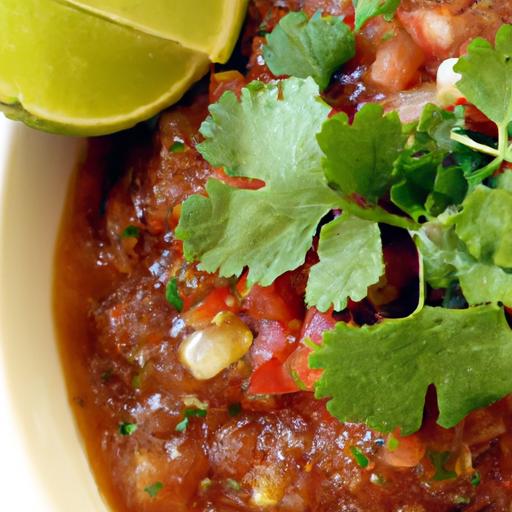

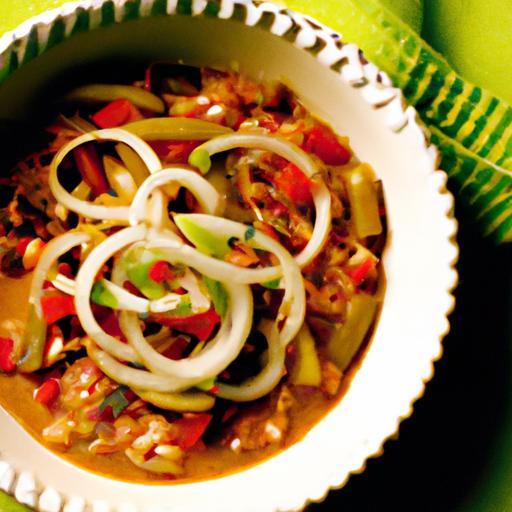
Bursting with vibrant colors and bold flavors, pebre is much more than just a condiment-it’s a spirited celebration of Chilean culinary heritage. This zesty conventional salsa, brimming with fresh herbs, fiery peppers, and tangy citrus, transforms simple meals into unforgettable experiences. Whether drizzled over grilled meats, dolloped onto crusty bread, or stirred into hearty stews, pebre brings a lively punch that captures the essence of Chile’s diverse palate. In this article, discover the authentic pebre recipe that has been passed down thru generations, and learn how to bring a taste of Chile’s zestful spirit right into your kitchen.
Pebre recipe is a vibrant expression of Chilean culinary heritage,bringing a zesty burst of freshness to every meal it touches. This beloved salsa-like condiment originates from the heart of Chile and has been treasured for generations as a flavorful accompaniment to breads, grilled meats, and stews. pebre’s essence lies in its simplicity and the radiant interplay of herbs and spices that invigorate your palate. My first encounter with pebre was at a bustling Santiago market,where the aroma of cilantro and garlic mingled in the air,instantly inviting me to savor this quintessential Chilean flavor.
Origins and Cultural Significance of Pebre in Chilean Cuisine
Rooted deeply in chile’s gastronomic fabric, pebre reflects indigenous ingredients blended with spanish influences, a culinary metaphor for Chile’s rich cultural tapestry. It is indeed traditionally enjoyed alongside empanadas and asado (barbecue), making it a staple at social gatherings and family meals across the country. Beyond its role as a sauce, it symbolizes conviviality and the chilean spirit of sharing flavors and warmth. Unlike many salsas, pebre’s charm lies in its fresh raw ingredients, delivering a delicate balance of piquant heat and herbaceous brightness that elevates even the simplest dishes.
Essential Ingredients That Bring Pebre to Life
- 1 large bunch fresh cilantro, finely chopped (including tender stems for extra flavor)
- 2 medium ripe tomatoes, deseeded and finely diced
- 1 medium white onion, finely minced
- 1-2 fresh green chili peppers (such as ají verde or jalapeño), seeded and chopped
- 2 cloves garlic, minced or pressed
- 3 tablespoons extra virgin olive oil
- 2 tablespoons red wine vinegar or freshly squeezed lime juice
- Salt to taste
- Freshly ground black pepper, to taste
- Optional: 1 teaspoon smoked paprika for a smoky twist
Prep and Cook Time
- Preparation: 15 minutes
- Cook Time: 0 minutes (serve fresh)
- Total Time: 15 minutes
Yield
About 1 ½ cups – perfect for serving 4-6 people as a condiment
Difficulty Level
Easy – No cooking needed, just fresh chopping and mixing
Step-by-Step Guide to Crafting the Perfect Pebre at Home
- Prepare the ingredients: Thoroughly wash the cilantro and dry it well. Finely chop the leaves and tender stems. Seed and dice the tomatoes to avoid excess moisture.
- Combine fresh aromatics: In a medium bowl,add the chopped cilantro,diced tomatoes,minced onion,and chopped chili peppers. These fresh elements form the foundation of pebre’s bright flavor.
- Add the garlic: Mince garlic finely or press it into the bowl to ensure it infuses every bite without overpowering.
- Dress the mixture: Pour in the olive oil and red wine vinegar. Stir gently but thoroughly, allowing the oil to coat the ingredients evenly and the vinegar to add the signature tang.
- Season precisely: sprinkle salt and freshly ground black pepper to taste. If you prefer a smoky nuance, add smoked paprika now and stir to incorporate.
- Let it rest: Allow the pebre to rest at room temperature for 10-15 minutes before serving, so the flavors meld harmoniously. For a cooler option, refrigerate but take it out 10 minutes prior to serving.
Tips for Customizing Pebre to Match Your Taste Preferences
- Adjust the heat: Use fewer seeds or milder chilies like Anaheim peppers if you prefer a gentler spice profile.
- Herb variations: Swap or add parsley or mint for a fresh twist, balancing the cilantro’s intensity.
- Acidity tweaks: Substitute red wine vinegar with lemon or lime juice for a different citrus brightness.
- Oil choice: Extra virgin olive oil is classic, but nut oils like walnut can give an earthy richness.
- Texture preferences: For a sauce-like consistency,pulse all ingredients briefly in a food processor-but retain some chunkiness for that traditional pebre character.
- Make ahead: Pebre can be prepared a day in advance and refrigerated; just give it a good stir before serving to recombine the ingredients.
Serving Suggestions
This Chilean flavor bomb is ideal to serve alongside warm crusty bread like marraqueta or hallulla. Pebre also shines next to grilled steak, roasted chicken, or fish, acting as a fresh counterpoint to smoky char and rich dishes. Spoon it generously atop choripán sandwiches, traditional Chilean ceviche, or even use it as a vibrant dip for crispy empanadas. For an extra flourish, garnish with a sprig of fresh cilantro and an occasional thin slice of chili to signal the heat.

| Nutrition per 2 tbsp | Amount |
|---|---|
| Calories | 35 kcal |
| Protein | 1 g |
| Carbohydrates | 3 g |
| Fat | 2.5 g |
for more Chilean culinary delights that complement your pebre recipe, check out our Chilean Empanadas recipe. To deepen your understanding of South American food cultures, visit Britannica’s overview of Chilean cuisine.
Q&A
Q&A: Pebre recipe – Discover Chile’s Zesty Traditional Salsa Flavor
Q1: What exactly is Pebre?
A1: pebre is Chile’s beloved traditional salsa, a vibrant medley of fresh ingredients bursting with zesty, herbaceous flavors. Picture a lively blend of chopped cilantro, onions, garlic, spicy chili peppers, and tangy vinegar, all coming together to brighten up bread, meat, or seafood with a punch of freshness.
Q2: Where does pebre come from?
A2: Pebre hails from Chile, deeply rooted in the country’s culinary heritage. It’s more than just a condiment; it’s a cultural emblem, often enjoyed with the iconic Chilean bread roll called marraqueta or alongside grilled meats and empanadas during festive gatherings.
Q3: What ingredients make the perfect Pebre?
A3: The soul of Pebre lies in simplicity and balance.Classic ingredients include finely chopped fresh cilantro, white onion, garlic cloves, aji peppers or fresh green chilies for heat, olive oil, a splash of vinegar or lemon juice, and a pinch of salt.Some variations might add tomatoes or parsley, depending on the region or family tradition.
Q4: How spicy is Pebre?
A4: Pebre’s spice level can be tailored to your taste-from a gentle warmth that tickles the tongue to a fiery kick that sets the palate ablaze. By adjusting the amount and type of chili peppers,you can customize it to be mild,medium,or fiery hot.
Q5: How do I prepare Pebre at home?
A5: Making Pebre is delightfully simple and speedy. Start by finely dicing your onions, garlic, chili, and cilantro.Combine them in a bowl with olive oil, a little vinegar or lemon juice, and seasoning. Let it rest for about 15 minutes so the flavors meld beautifully. Serve fresh to enjoy its vibrant zest.
Q6: What dishes pair well with Pebre?
A6: Pebre is a versatile companion. it shines alongside grilled meats like beef or chicken, drizzled over empanadas, stirred into fresh bread, or even spooned atop scrambled eggs. Its bright acidity and herbaceous notes make it a perfect contrast to rich or smoky flavors.
Q7: Can Pebre be stored?
A7: Absolutely! Pebre can be refrigerated in an airtight container for up to a week. The flavors often intensify and deepen after sitting for a few hours, but it’s best enjoyed fresh to capture its zesty vibrancy.
Q8: Is Pebre similar to other salsas or chimichurri?
A8: While Pebre shares some ingredients with salsa and chimichurri,it is indeed uniquely Chilean. Unlike the chunky tomato base of many salsas, Pebre focuses on herbs, onions, and chilies. Compared to chimichurri’s oil-heavy, parsley-centric profile, Pebre’s texture is chunkier and more vinegary, delivering a fresh and punchy flavor.
Q9: Why should I try making Pebre?
A9: Beyond its flavorful taste, Pebre connects you to the heart of Chilean culture and cuisine. It’s an easy, fresh way to elevate everyday dishes, bringing that perfect balance of heat, acidity, and herbaceous freshness to your table. Plus, it’s a fun-almost meditative-experience chopping, mixing, and smelling those fragrant ingredients come alive.
Q10: Any tips for perfecting my Pebre?
A10: Use the freshest, highest-quality herbs and peppers you can find. Don’t be shy with the cilantro-it’s the star! Also, finely chop rather than blend to maintain Pebre’s characteristic chunky texture. Lastly, taste as you go and adjust acidity, salt, and spice to suit your palette. With a splash of creativity,Pebre will become your go-to salsa for zest and flavor.
Concluding Remarks
Whether drizzled atop a perfectly grilled steak, stirred into a hearty bowl of soup, or simply scooped up with crusty bread, pebre brings a vibrant burst of chilean tradition to every bite. This zesty salsa is more than just a condiment-it’s a flavorful invitation to experience the heart of Chile’s culinary heritage. By mastering this simple yet dynamic recipe, you’re not only adding a fresh twist to your meals but also connecting with a rich cultural story that celebrates bold flavors and communal dining. So go ahead-embrace the zest, savor the freshness, and let pebre transform your kitchen into a taste of Chile.