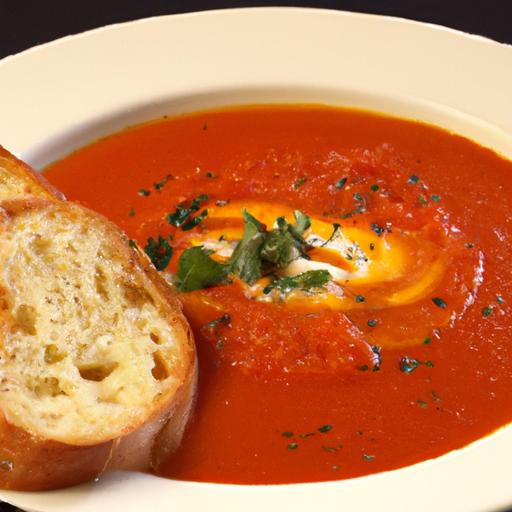

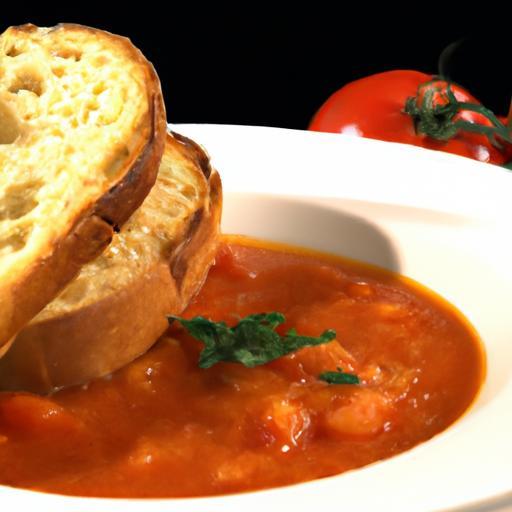
In the sun-dappled kitchens of Tuscany, where simplicity meets soul, Pappa al Pomodoro stands as a tasty ode to humble ingredients transformed by time-honored tradition. This classic tomato bread soup, born from the ingenuity of resourceful Tuscan cooks, turns leftover bread and ripe tomatoes into a luscious, comforting dish that captures the essence of rustic Italian cooking. Whether served warm on a chilly evening or enjoyed as a refreshing summer starter, Pappa al Pomodoro invites you to savor the rich heritage of Tuscany-one spoonful at a time.
pappa al Pomodoro is a heartwarming Tuscan classic that embodies the essence of simplicity and robust flavors found in rustic Italian cooking. This beloved tomato bread soup first emerged as a humble peasant dish in Tuscany, designed to transform leftover stale bread into a comforting, vibrant meal. Today, it continues to capture the soul of Italian culinary tradition by celebrating ripe, sun-kissed tomatoes and the region’s crusty, artisanal bread, uniting them into a soul-satisfying harmony of texture and taste.
Prep and Cook Time
- Planning: 15 minutes
- Cooking: 40 minutes
- Total time: 55 minutes
Yield
Serves 4 hearty portions
Difficulty Level
Easy - perfect for cooks of all skill levels eager to recreate a taste of Tuscany
Ingredients
- 1 lb ripe plum tomatoes, peeled and chopped
- 4 cups day-old Tuscan bread, torn into chunks (crusty and unsalted preferred)
- 4 cloves garlic, finely minced
- 1/2 cup extra virgin olive oil, plus extra for drizzling
- 2 cups vegetable broth (or water for a lighter base)
- 1 small bunch fresh basil, torn
- Salt and freshly ground black pepper, to taste
- 1 teaspoon red chili flakes (optional, for subtle heat)
Instructions
- Prepare the tomatoes: Place the peeled and chopped plum tomatoes in a large bowl. If you prefer a smoother consistency, lightly crush with your hands or a fork to release their juices.
- Toast the garlic: Heat the olive oil in a deep skillet over medium heat. Add the minced garlic and sauté until fragrant and golden, about 2-3 minutes. Be careful not to burn the garlic, as it will add a bitter note.
- Incorporate the tomatoes: Pour the crushed tomatoes into the skillet with garlic and olive oil. Let the mixture simmer gently for 10 minutes, stirring occasionally to meld the flavors.
- Add the bread: Stir in the torn Tuscan bread pieces, stirring thoroughly to ensure each chunk soaks up the tomato mixture. Continue cooking for another 10 minutes until the bread has softened but retains a luscious, rustic texture.
- pour in broth: Slowly add the vegetable broth, stirring as you go. This will loosen the mixture to a creamy but chunky soup consistency.Simmer for an additional 15 minutes, allowing the flavors to deepen.
- season and finish: Season generously with salt, freshly ground black pepper, and red chili flakes if using. Stir in torn fresh basil leaves right at the end, saving a few for garnish.
- Serve warm: Ladle into bowls, drizzle with extra virgin olive oil, and finish with a sprinkle of fresh basil and a pinch of cracked black pepper for a true Tuscan experience.
Origins and Cultural significance of Pappa al Pomodoro in tuscany
Pappa al Pomodoro reflects Tuscany’s resourceful culinary heritage, where nothing is wasted and every ingredient tells a story. Traditionally, families would make this soup using stale bread, blending it with the season’s vibrant tomato harvest. It exemplifies the Tuscan ideology of cucina povera-simple, rustic dishes made with respect and love for humble, local ingredients. Historically, the dish provided nourishment and warmth during the summer tomato season, yet its soulful character invites comfort food enthusiasts year-round. Enjoying pappa al pomodoro is to sip on a bowl of Tuscan sunshine, with every spoonful resonating with centuries of Italian culture and home-style cooking.
Selecting the Perfect tomatoes and Bread for Authentic flavor
Choosing the right tomatoes is crucial for this recipe’s success. Ripe plum tomatoes, such as San Marzano or Roma, offer an ideal balance of sweetness and acidity with low seed and water content, ensuring a thick, vibrant soup base. Avoid watery or underripe tomatoes, which can dilute the flavors and texture. The bread should be a firm,crusty Tuscan loaf (pane toscano),traditionally unsalted,exhibiting a tough exterior that softens beautifully but does not dissolve into mush. Day-old bread works best, as it soaks up the liquids without falling apart, lending the signature rustic bite characteristic of pappa al pomodoro.
Step-by-Step Guide to Achieving the Ideal Rustic Texture
The magic of pappa al pomodoro lies in its invitingly chunky yet creamy consistency. Begin by gently crushing the tomatoes-not blending-to preserve their natural juiciness and slight firmness. sautéing the garlic in olive oil infuses the base with fragrant warmth before tomatoes join the skillet. Adding the bread in stages ensures it absorbs the flavors fully while retaining some chew, preventing the soup from turning into a purée. Stirring occasionally throughout the simmering process balances moisture, ensuring the bread melds with the broth and tomatoes into an irresistibly rustic texture. The occasional torn fresh basil adds bursts of herbal brightness that finish the soup beautifully.
Expert Tips for Enhancing the Classic Tuscan Soup Experience
- Use quality extra virgin olive oil: The finishing drizzle of olive oil on each serving boosts flavor and authenticity.
- Fresh basil is essential: Add basil at the last moment to preserve its bright flavor and vibrant green color.
- let it rest: Allow the soup to sit for 10-15 minutes before serving; this resting phase intensifies the melding of flavors.
- Customize heat levels: Incorporate red chili flakes sparingly for a gentle kick, or omit for a mild experience.
- Experiment with toppings: A sprinkle of flaky sea salt, shaved Pecorino Toscano, or crunchy toasted pine nuts elevate this simple soup.
- Make it ahead: Pappa al pomodoro tastes even better after a day in the fridge; gently reheat on the stove with a splash of broth to regain consistency.
Serving Suggestions
Serve pappa al pomodoro steaming hot in rustic bowls,accented with a generous drizzle of high-quality olive oil and a scattering of fresh basil leaves. Pair your soup with a crisp green salad or grilled seasonal vegetables for a balanced meal. For an authentic Tuscan touch, a glass of Chianti or a chilled Vermentino complements the bright tomato and herbaceous notes perfectly. This dish also shines as a light starter or a comforting lunch alongside a platter of Italian cheeses and cured meats.
| Nutritional Info (per serving) | Amount |
|---|---|
| Calories | 220 kcal |
| Protein | 5 g |
| Carbohydrates | 35 g |
| Fat | 7 g |
| fiber | 4 g |
Discover another iconic Italian bread and tomato dish here. for more on Tuscan bread traditions, visit the official Tuscany cultural site.

Q&A
Q&A: Exploring Pappa al Pomodoro – The Classic Tuscan Tomato Bread Soup
Q1: What exactly is Pappa al Pomodoro?
A1: Pappa al Pomodoro is a rustic, hearty soup hailing from the sun-kissed hills of Tuscany. Its name literally means “tomato mush,” and it’s a delightful concoction of ripe tomatoes, stale bread, garlic, basil, and olive oil, simmered together into a thick, comforting embrace of flavors. It’s the perfect dish to transform humble pantry staples into a soul-warming meal.
Q2: What makes Pappa al Pomodoro uniquely Tuscan?
A2: The magic lies in simplicity and quality. Tuscan cuisine champions modest ingredients elevated by technique and tradition. Using day-old, crusty Tuscan bread-famously unsalted-absorbs the vibrant tomato broth beautifully without overpowering it. fresh herbs and fragrant olive oil add that unmistakable Mediterranean flair, making every spoonful a walk through Tuscany’s sunlit countryside.
Q3: Can I use fresh tomatoes, or do canned ones work better?
A3: Both have their charms! Fresh, ripe tomatoes bring a bright, garden-fresh taste ideal during summer harvest. However,high-quality canned San marzano tomatoes-the famed Italian variety-offer a deep,consistent flavor and convenience year-round.Some recipes blend both for a nuanced tomato profile.
Q4: Why does the recipe call for stale bread?
A4: Stale bread is the unsung hero here. It absorbs the juices slowly, giving the soup its signature thick, porridge-like texture-“pappa”-without turning into mush instantly. Plus, it’s a fantastic way to honor the Tuscan tradition of “cucina povera” (peasant cooking), where nothing goes to waste.
Q5: Is Pappa al Pomodoro served hot or cold?
A5: Traditionally, it’s served warm, making it an ideal comfort food during cooler months. Having mentioned that, leftover pappa can also be chilled and enjoyed cold, almost like a rustic gazpacho, perfect for Tuscan summers.
Q6: Can I customize the recipe to suit dietary preferences?
A6: Absolutely! Pappa al Pomodoro is naturally vegetarian and vegan-friendly. For a heartier twist, some add a swirl of creamy ricotta or a handful of sautéed vegetables. To keep it gluten-free, substitute the bread with gluten-free varieties, but be mindful the texture will differ slightly.
Q7: What wine pairs best with Pappa al Pomodoro?
A7: A light, vibrant red like a Chianti or a Rosso di Montalcino complements the fresh acidity of the tomatoes and the earthiness of the bread. If you prefer white, a crisp Vernaccia di San Gimignano offers a refreshing contrast.
Q8: How can I make my Pappa al Pomodoro stand out?
A8: Use the best extra-virgin olive oil you can find-it’s the finishing touch that turns good into unforgettable. Also, don’t rush the simmering; allowing the flavors to meld slowly brings depth that sings with every bite. Freshly torn basil and a pinch of flaky sea salt at the end brighten the dish beautifully.
Dive into a bowl of Pappa al Pomodoro and savor a timeless taste of Tuscany, where humble ingredients tell stories of tradition, warmth, and simple pleasures. Buon appetito!
In Retrospect
As the last spoonful of Pappa al Pomodoro warms your soul, you’re not just tasting a soup-you’re savoring centuries of Tuscan tradition, where simple ingredients come together to create something truly unusual. This humble tomato and bread soup embodies the heart of Italian cooking: resourceful, rustic, and remarkably flavorful. Whether enjoyed on a chilly evening or a sunlit afternoon, Pappa al Pomodoro invites you to slow down and appreciate the beauty of simplicity in every bite. So next time you seek comfort in a bowl, remember that sometimes the most timeless recipes are also the most unforgettable. Buon appetito!