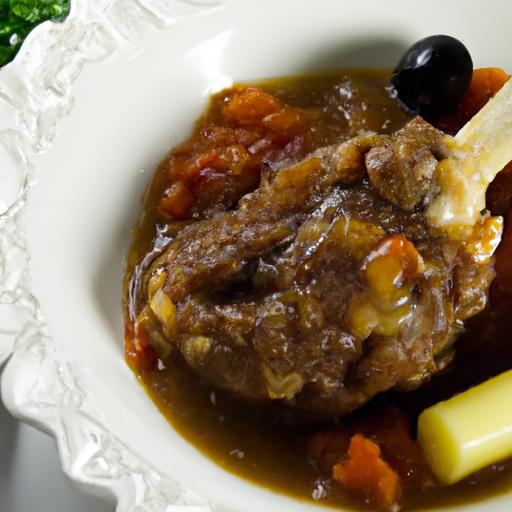

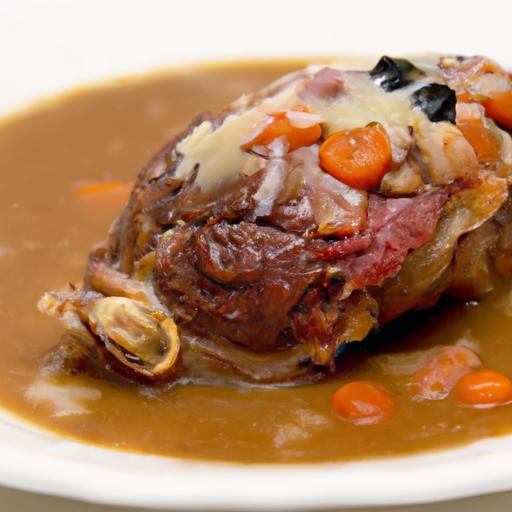
In the heart of Milanese cuisine lies ossobuco alla Milanese-a dish that marries tender, slow-cooked veal shanks with the vibrant zest of gremolata, creating a symphony of flavors both rich and comforting. This classic Italian masterpiece isn’t just a meal; it’s a festivity of tradition, patience, and culinary artistry passed down through generations. Whether you’re a seasoned chef or an adventurous home cook,mastering ossobuco alla milanese opens the door to authentic taste and timeless elegance. Join us as we unravel the secrets behind this iconic recipe, guiding you step-by-step to recreate its luscious, melt-in-your-mouth magic right in your own kitchen.
Mastering Ossobuco alla Milanese begins with selecting the perfect veal shanks-thick, evenly cut cross sections with a generous central marrow bone, ensuring the ultimate tenderness and rich, gelatinous texture that defines this iconic Milanese dish.Choosing well-marbled shanks from a trusted butcher not only elevates the flavour but provides that stunning visual allure when the marrow melts luxuriously into the sauce.
Prep and Cook Time
- Preparation: 20 minutes
- Braising Time: 2 to 2.5 hours
- Total time: Approximately 2 hours 45 minutes
yield
serves 4 elegantly.
Difficulty Level
Medium: Ideal for adventurous home cooks looking to refine their braising skills.
Ingredients
- 4 veal shanks (about 1.5 lbs each), cut about 1.5 inches thick
- 1 cup all-purpose flour, sifted (for dredging)
- 4 tbsp extra virgin olive oil
- 3 tbsp unsalted butter
- 1 large onion, finely chopped
- 2 celery stalks, finely chopped
- 2 medium carrots, diced
- 4 cloves garlic, minced
- 1 cup dry white wine
- 2 cups beef or veal stock
- 1 (14 oz) can crushed tomatoes
- 2 sprigs fresh rosemary
- 2 bay leaves
- Zest of 1 lemon (for gremolata)
- 1/4 cup fresh flat-leaf parsley, finely chopped (for gremolata)
- 2 garlic cloves, minced (for gremolata)
- Salt and freshly cracked black pepper, to taste
Instructions
- Prepare the veal shanks: Pat dry each shank thoroughly with paper towels. Even moisture removal ensures a perfect sear. Dredge each piece lightly in the sifted flour, shaking off the excess to prevent clumping that could burn during browning.
- Sear the shanks: Heat olive oil and butter in a heavy-bottomed braising pan over medium-high heat. Add the veal shanks in batches, avoiding overcrowding, and sear each side until gloriously golden brown, about 4 minutes per side. Remove and set aside.
- Sauté the aromatics: Reduce heat to medium.Add diced onions, celery, carrots, and garlic to the pan. Cook until softened and fragrant, about 7 minutes, stirring frequently to meld the flavors without browning excessively.
- Deglaze the pan: Pour in the white wine, scraping up the savory browned bits from the bottom of the pan-this is flavor gold! Let the wine reduce by half, roughly 5 minutes, concentrating the bouquet.
- Add liquids and herbs: Stir in the crushed tomatoes, stock, rosemary sprigs, and bay leaves. Return the shanks to the pan, nestling them gently into the liquid. Season with salt and pepper, but keep seasoning light to adjust later.
- Braise slowly: lower heat to maintain a gentle simmer. Cover the pan with a tight-fitting lid and cook for 2 to 2.5 hours, turning the shanks midway. The meat should become tender enough to separate effortlessly from the bone.
- Prepare the gremolata topping: While braising, combine lemon zest, minced garlic, and chopped parsley in a small bowl. This fresh,citrus-herb topping offers an aromatic lift that brightens every bite of the rich ossobuco.
- Finish and serve: Once the meat is perfectly tender, remove the shanks and keep warm. Discard rosemary and bay leaves, then reduce the sauce slightly over medium heat until it thickens and intensifies in flavor, about 10 minutes. Spoon the sauce generously over the shanks and sprinkle with fresh gremolata just before serving.
tips for Success
- Quality matters: Seek out veal shanks with a visible marrow center to ensure authenticity and that signature buttery richness.
- Patience is key: Slow braising at low heat allows collagen to melt, resulting in melt-in-your-mouth tenderness.
- Gremolata freshness: Prepare gremolata right before serving to preserve the vibrant green color and zesty aroma.
- Broaden flavors: Add a splash of Marsala or dry vermouth in the deglazing step for subtle depth.
- Make-ahead friendly: Ossobuco tastes even better the next day-simply reheat gently, adding a drizzle of olive oil if needed.
Serving Suggestions
traditionally, this ossobuco alla Milanese pairs beautifully with risotto alla Milanese, its creamy saffron-infused grains perfectly complementing the robust veal and tomato sauce. Alternatively, serve alongside buttered polenta or creamy mashed potatoes to soak up every drop of sauce.
Garnish with a final dusting of gremolata and a wedge of lemon to brighten the plate, and offer a hearty red such as Barolo or a classic Italian Chianti to complete your meal in true Lombard style.
| Nutrient | Per Serving |
|---|---|
| Calories | 550 kcal |
| Protein | 48 g |
| Carbohydrates | 12 g |
| Fat | 28 g |

For a deeper dive into risotto techniques that pair impeccably with your ossobuco, check out our risotto alla milanese recipe guide. For sourcing authentic veal and exploring its quality standards, visit the National Veal Association.
Q&A
Q&A: Mastering Ossobuco alla Milanese – Classic Recipe Guide
Q1: What exactly is Ossobuco alla Milanese?
A1: Ossobuco alla Milanese is a beloved traditional Italian dish hailing from Milan. It features succulent veal shanks braised slowly in a rich mixture of white wine, broth, tomatoes, and aromatic vegetables until the meat is fall-off-the-bone tender. What truly sets it apart is the marrow-filled bone at its center, offering a creamy, luscious texture that’s pure indulgence.
Q2: Why is ossobuco considered a special dish?
A2: Beyond its hearty flavors,ossobuco is a celebration of craftsmanship and patience. The slow braising process transforms humble veal shanks into an elegant centerpiece, while the marrow adds a luxurious dimension. It’s a dish that embodies Milanese culinary tradition and showcases how simple ingredients become unusual through technique.
Q3: What are the essential ingredients for a classic ossobuco alla Milanese?
A3: The classic recipe calls for veal shanks cut thick, flour for dredging, white wine, beef or veal broth, onions, carrots, celery, garlic, peeled tomatoes, fresh thyme, bay leaves, and lemon zest. Don’t forget the gremolata-a zesty garnish of parsley, lemon zest, and garlic-that brightens every bite with a burst of freshness.
Q4: How do you achieve the perfect texture and flavor when cooking ossobuco?
A4: patience is key. First, dredge and brown the veal shanks to develop a deep, caramelized crust. Then, slow-braise them gently for at least two hours in a well-seasoned liquid to render the meat tender and infused with layers of rich flavor. Stir gently, keep the heat low, and resist the urge to rush-the magic happens in slow cooking.
Q5: What makes the gremolata such an important part of the dish?
A5: Gremolata is the final flourish that enlivens ossobuco’s richness. It cuts through the braise’s intensity with its vibrant notes of citrus,fresh parsley,and pungent garlic. This simple topping not only adds aroma but heightens the overall balance, making each mouthful sing with harmony.
Q6: What traditional side dishes best accompany Ossobuco alla milanese?
A6: The classic partners are saffron-infused risotto alla Milanese or creamy polenta. Their gentle textures and subtle flavors perfectly complement the deep, robust taste of ossobuco, creating a perfectly balanced meal that’s both comforting and refined.
Q7: Can ossobuco be made ahead of time?
A7: Absolutely! Ossobuco often tastes even better the next day as the flavors meld and deepen overnight. Prepare it in advance, then gently reheat over low heat before serving. Just be sure to add fresh gremolata right before plating to preserve its brightness.
Q8: Any tips for sourcing the best veal shanks?
A8: Look for thick, evenly cut veal shanks with generous marrow bones at the center. Freshness is crucial, so buy from trusted butchers or specialty meat markets. The quality of the veal will shine through in both tenderness and flavor, making all the difference in your final dish.
Q9: How can a home cook add their personal twist without losing authenticity?
A9: Feel free to experiment with herbs like rosemary or add a splash of Marsala wine for a sweeter note, but keep the essence intact: slow cooking, rich broth, and gremolata topping. Perhaps serve ossobuco over creamy polenta instead of risotto, or add seasonal vegetables on the side. The key is honoring tradition while embracing your own culinary voice.
Q10: Why is mastering ossobuco alla milanese a rewarding culinary achievement?
A10: Because it’s more than a recipe-it’s a journey into centuries of italian heritage and culinary artistry. Perfecting ossobuco teaches patience, respect for ingredients, and the joy of transforming simple cuts of meat into somthing deeply satisfying and timeless. Each tender bite is a celebration of flavor, culture, and craftsmanship. Master this dish, and you hold a piece of Milan’s heart on your plate.
Future Outlook
As the rich aroma of Ossobuco alla Milanese fills your kitchen and the tender veal melts effortlessly with each bite, you’ll realize this dish is more than just a meal-it’s a time-honored tradition brought lovingly to your table.Mastering this classic recipe opens a door to the heart of Milanese cuisine, inviting you to savor the marriage of slow-cooked flavors, vibrant gremolata, and creamy risotto alla Milanese. Whether you’re cooking for a festive gathering or a quite evening,Ossobuco promises a culinary experience that’s as comforting as it is elegant. So sharpen your knives, gather your ingredients, and let this guide be your trusted companion on a tasty journey through Italy’s rich gastronomic heritage. Buon appetito!