

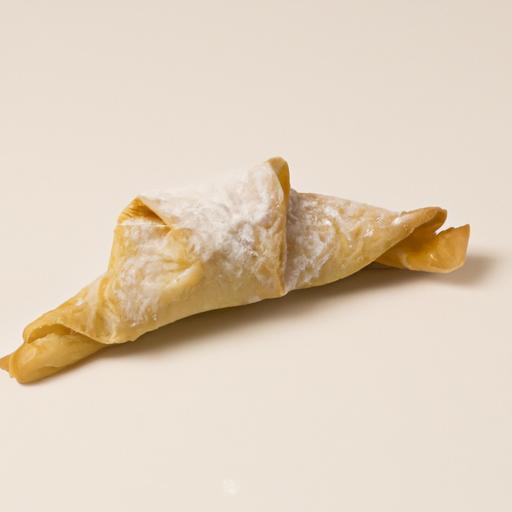
Few pastries capture the essence of Italian culinary artistry like the sfogliatelle. With its delicate, crispy layers and luscious ricotta filling, this iconic treat is much more than a dessert-it’s a celebration of patience, precision, and passion baked into every bite. But mastering the art of sfogliatelle has long been considered a daunting challenge for even seasoned bakers. in this guide, we’ll peel back the layers-both literally and figuratively-to reveal a step-by-step recipe that transforms this intricate pastry from an intimidating mystery into an achievable, rewarding masterpiece. Whether you’re a curious novice or a devoted foodie, prepare to embark on a journey through the heart of Italy’s pastry tradition, one flake at a time.
Mastering Sfogliatelle begins with understanding the delicate balance between crisp, flaky layers and the luscious, fragrant ricotta filling. This classic Italian pastry, originating from the Amalfi Coast, is renowned for its signature shells of paper-thin dough layered so meticulously they crackle with every bite. through careful technique and patience, you’ll unlock the secrets to achieving that truly authentic texture and flavor.
prep and Cook Time
- Preparation: 2 hours (including resting and dough resting times)
- Cooking: 25 minutes
- Total: 2 hours 25 minutes
Yield
10 to 12 sfogliatelle pastries
Difficulty Level
Advanced (requires patience and precision for perfect dough layering)
Ingredients
- For the Dough:
- 2 ½ cups all-purpose flour,sifted
- ½ cup semolina flour
- ⅓ cup granulated sugar
- ½ teaspoon fine sea salt
- ½ cup unsalted butter,melted and cooled
- ¾ cup warm water (approximately)
- For the Filling:
- 1 cup whole milk ricotta cheese,well-drained
- ⅓ cup finely ground semolina
- ⅓ cup granulated sugar
- 1 large egg
- ½ teaspoon vanilla extract
- 1 tablespoon orange zest
- ½ teaspoon ground cinnamon
- 2 tablespoons candied citron,finely chopped (optional)
- For Finishing:
- Powdered sugar,for dusting
Instructions
- Prepare the dough: In a large mixing bowl,whisk together the all-purpose flour,semolina,sugar,and salt. Gradually add the warm water and melted butter, mixing with a wooden spoon until a shaggy dough begins to form.
- Knead the dough: Transfer the dough to a lightly floured surface and knead vigorously for about 10 minutes until it becomes silky,elastic,and smooth. Wrap in plastic wrap and allow it to rest for 1 hour at room temperature. Resting hydrates the dough and relaxes the gluten for easier rolling.
- Roll and layer the dough: On a floured countertop,roll the dough into a thin sheet (about 1/16 inch thick). Using a pastry brush, generously coat the dough with melted butter. Starting from one edge, tightly roll the dough into a log, sealing the edge.
- Shape the sfogliatelle shells: Using a sharp knife, slice the rolled log into 1-inch segments. Take each piece, gently flatten it into an oval shape, and carefully insert your fingers in the center to create the hollow shell structure, stretching the dough outward without tearing-this is the hallmark of perfectly flaky layers.
- Make the filling: In a bowl, combine the ricotta, semolina, sugar, egg, vanilla, orange zest, cinnamon, and candied citron until smooth and creamy. The semolina adds subtle texture and body, balancing the moist ricotta beautifully.
- Fill each pastry: Spoon about 1 tablespoon of filling into each shell, careful not to overfill as the filling will expand slightly during baking.
- Bake to perfection: Preheat your oven to 400°F (200°C). Place the filled shells on a baking tray lined with parchment paper. Bake for 20-25 minutes,until the outer layers are golden brown and crisp,and the filling slightly puffed.
- Cool and serve: Remove from the oven and let cool slightly before dusting generously with powdered sugar for that final touch of sweetness and visual appeal.
Tips for success
- Patience in dough rolling: The key to perfect layers lies in rolling the dough wafer-thin and evenly buttering every layer. Use a pastry brush liberally for crispness.
- Ricotta preparation: Drain ricotta well to avoid a watery filling that can compromise the pastry’s structure.
- Use a sharp knife: Cleanly slicing the dough roll maintains neat layers and assists in even baking.
- Resting is crucial: Both dough rest periods enhance gluten development, making the dough elastic yet tender.
- Storage tip: Sfogliatelle are best eaten fresh but store leftovers in an airtight container and reheat briefly in a low oven for crispness.
Serving Suggestions
Present sfogliatelle on a rustic wooden board or a pastel ceramic plate. Enhance the presentation with a dusting of powdered sugar and a sprinkle of finely chopped candied orange peel for a pop of color. Serve alongside a strong espresso,velvety cappuccino,or a lightly brewed herbal tea. For an elegant touch, add a small bowl of whipped mascarpone cream infused with a hint of lemon zest for dipping.

| Nutrient | Per Serving |
|---|---|
| Calories | 320 |
| Protein | 7g |
| Carbohydrates | 42g |
| Fat | 12g |
For further reading on traditional Italian pastries, explore our Italian Pastries Guide. To deepen your knowledge of ricotta cheese varieties and usage, visit Serious Eats.
Q&A
Q&A: Mastering Sfogliatelle - A Step-by-Step Italian Delight Recipe
Q1: What exactly is Sfogliatelle and why is it so special?
A1: Sfogliatelle, often dubbed the “lobster tail” pastry for its ridged, shell-like appearance, is a traditional Italian delight from the Campania region. What makes it special is its signature flaky, crisp layers that encase a luscious ricotta and citrus-infused filling-a harmonious dance between texture and taste that’s both intricate and irresistible.
Q2: Is making Sfogliatelle at home difficult?
A2: It might seem intimidating at first because of the delicate, paper-thin dough layers, but with patience and attention to detail, anyone can master it. The key is understanding the technique behind the dough rolling and folding, which creates those iconic layers. Think of it as an edible art form-challenging but deeply rewarding.
Q3: What are the essential ingredients for authentic Sfogliatelle?
A3: The classic recipe combines simple pantry staples: all-purpose flour, water, a pinch of salt, lard or unsalted butter for the dough’s signature flakiness, ricotta cheese, semolina flour, candied citrus peel (usually orange or cedro), sugar, vanilla, and a bit of cinnamon for that warm note. Freshness and quality make all the difference here.
Q4: How do you prepare the dough to get those iconic flaky layers?
A4: The secret is in repeatedly rolling out the dough into a super-thin sheet, brushing it with melted lard (or butter), then rolling it into a tight spiral log.This log is then sliced into discs and carefully shaped to create pockets for the filling. This layering technique makes the dough separate into those beautiful, crunchy layers when baked.
Q5: what’s the best way to fill Sfogliatelle without breaking the delicate dough?
A5: After shaping the dough discs into shells, gently hold the edges open just enough to spoon in the filling. Use a small spoon or piping bag for precision. Don’t overfill-it’s better to be generous but cautious, as too much filling can cause the pastry to burst during baking.
Q6: Can Sfogliatelle be made vegan or gluten-free?
A6: Absolutely! For a vegan version, you can substitute the ricotta with plant-based alternatives like almond or cashew ricotta and use vegan butter or coconut oil instead of lard. Gluten-free flour blends can replace all-purpose flour, but keep in mind that achieving the same flaky texture might require some experimentation with binding agents as gluten is key to elasticity.
Q7: How should Sfogliatelle be served and stored?
A7: Sfogliatelle are best enjoyed fresh and warm, dusted lightly with powdered sugar.They pair beautifully with an espresso or a sweet dessert wine. If you need to store them, keep them in an airtight container at room temperature for up to 2 days. For longer storage, freeze them, then reheat in the oven to re-crisp before serving.
Q8: Any tips for beginners attempting this recipe for the first time?
A8: Absolutely! Take your time with the dough-it’s the heart of the pastry. Keep your workspace lightly floured to prevent sticking but avoid adding too much flour, which can toughen the dough. Use a pasta machine if you have one for rolling out the dough evenly, and don’t get discouraged by the shaping process-it improves with practice. Most importantly, embrace the joy of creating something uniquely Italian in your own kitchen!
—
Mastering Sfogliatelle isn’t just baking; it’s entering a centuries-old tradition of craftsmanship and flavor.With each crispy,sweet bite,you savor a piece of Italy’s culinary soul. Buon appetito!
Final Thoughts
As you close the final layer of your homemade sfogliatelle, remember that this delicate pastry is more than just a dessert-it’s a testament to patience, precision, and the rich culinary heritage of Italy. Mastering sfogliatelle isn’t merely about following steps; it’s about embracing the artistry hidden in each fold, the subtle balance of flavors, and the joyful satisfaction of creating something truly special with your own hands.Whether enjoyed warm with a hint of espresso or shared with loved ones during a leisurely afternoon, your journey into this iconic Italian delight invites you to savor not just the pastry itself, but the timeless tradition it carries. Buon appetito, and may every crisp bite inspire your next kitchen adventure!