
In the heart of Levantine mornings, a simple flatbread comes alive with a fragrant symphony of herbs and spices-this is manoushe, the beloved za’atar breakfast flatbread that has fueled generations with it’s warm, earthy charm. Often called the “pizza of the Middle East,” manoushe is more than just a dish; it’s a cultural ritual, a comforting embrace wrapped in dough. Weather you’re craving a speedy morning bite or a flavorful start to the day, mastering the art of za’atar manoushe opens a gateway to tradition, taste, and timeless magic. Join us as we uncover the secrets behind this aromatic treasure and guide you through crafting your very own za’atar breakfast flatbread, fresh from your kitchen to your table.
Manoushe Magic: How to Make Za’atar Breakfast Flatbread
Manoushe magic begins with a simple yet enchanting combination of warm, freshly baked flatbread generously crowned with aromatic za’atar-a conventional Levantine herb blend that infuses each bite with an herbal, tangy, and nutty harmony unlike any other. This beloved breakfast staple traces its roots back to centuries-old traditions in Lebanon and the broader Middle East, where humble street vendors and family kitchens alike have cherished its rustic charm and irresistible flavor. For me, every time I roll out the dough and sprinkle on that vibrant green za’atar mix, I’m transported to sunlit mornings in Beirut’s bustling souks, where the air fills with the scent of thyme, sumac, and toasted sesame seeds.
Prep and Cook Time
- Preparation: 15 minutes
- Rising time: 1 hour
- Cooking/Baking: 8-10 minutes
- Total time: Approximately 1 hour 25 minutes
Yield
Makes 6 medium manoushe flatbreads
Difficulty Level
Easy to Medium
Ingredients
- for the Dough:
- 2 cups all-purpose flour, sifted
- ½ tsp active dry yeast
- ½ tsp salt
- 1 tsp sugar
- ¾ cup warm water (110°F/45°C)
- 2 tbsp extra virgin olive oil
- For the Za’atar Blend:
- 3 tbsp dried thyme
- 2 tbsp sumac
- 2 tbsp toasted sesame seeds
- 1 tsp dried oregano
- 1 tsp dried marjoram
- 1 tbsp coarse salt
- Additional:
- ½ cup extra virgin olive oil (for spreading on dough)
Step by Step Guide to Crafting the Ideal Dough Texture
- Activate the yeast: In a small bowl, combine warm water, sugar, and yeast. Stir gently and let sit 5-7 minutes untill frothy and bubbly, indicating the yeast is alive and ready.
- Mix dry ingredients: In a large bowl, whisk together the all-purpose flour and salt thoroughly for even distribution.
- Create the dough: Make a well in the flour mixture, pour in the activated yeast mixture and olive oil. Using a wooden spoon, gradually incorporate flour from the edges.
- Knead: Transfer the rough dough to a clean floured surface and knead vigorously for 8-10 minutes, or until the dough is soft, elastic, and slightly tacky but not sticky.A perfectly kneaded dough will bounce back when pressed.
- First rise: Lightly oil a clean bowl, place the dough inside, cover tightly with plastic wrap or a damp cloth, and let rise in a warm spot for 1 hour until doubled in size.
Mastering the Perfect Za’atar Blend for Authentic Flavor
- Prepare the za’atar: In a bowl, combine dried thyme, sumac, toasted sesame seeds, oregano, marjoram, and salt. Mix gently but thoroughly to encourage the blend’s fragrant harmony.
- Enhance with olive oil: Just before baking, mix olive oil into the za’atar blend to create a spreadable paste. This helps the herbs stick to the dough while infusing a rich, fruity depth that’s signature to authentic manoushe.
Tips and Tricks for Baking Manoushe to Golden perfection
- Divide and roll: Punch down the risen dough and divide into six equal portions. Roll each portion into a thin circle, about 7-8 inches in diameter, maintaining uniform thickness for even baking.
- Spread the za’atar mixture: Generously and evenly coat each dough circle with the za’atar and olive oil blend. Don’t overload it; a balanced layer ensures the bread crisps beautifully while bursting with flavor.
- Bake on high heat: Preheat your oven to 475°F (245°C).If you have a pizza stone, place it inside while preheating. Transfer the prepared flatbreads to the preheated stone or a baking sheet, and bake for 6-8 minutes until edges are golden and the za’atar-topped surface looks aromatic and slightly blistered.
- Cool briefly before serving: Remove from oven and allow to cool on a rack for 2-3 minutes for the flavors to settle and the crust to firm slightly,yielding that perfect chewy yet crisp bite.
Chef’s Notes
- Variations: Swap thyme for oregano or kale flakes to customize your za’atar blend. For a nutty twist, toast your own sesame seeds just before mixing to boost aroma.
- Substitutions: Whole wheat flour can replace all-purpose flour for a heartier dough, though expect a denser texture.
- Common issues: If dough is sticky, gradually add a teaspoon of flour, kneading gently. Avoid too thick or thin rolling-thin enough to crisp without turning brittle.
- Make-ahead: Dough can be prepped and refrigerated overnight. Bring to room temperature before proceeding.
Serving Suggestions
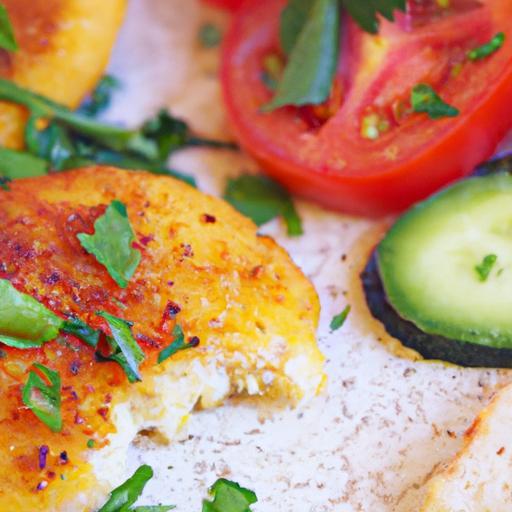
Serve warm, straight from the oven, alongside creamy labneh or tangy feta cheese. Drizzle with extra virgin olive oil and a few fresh mint leaves or thinly sliced cucumbers for refreshing balance. Pair with a cup of strong Arabic coffee or mint tea for a truly authentic Levantine breakfast experience.

| Nutrient | Per Serving (1 Flatbread) |
|---|---|
| Calories | 210 kcal |
| Protein | 5 g |
| Carbohydrates | 32 g |
| Fat | 7 g |
For more Middle Eastern flatbread inspiration, explore our Lebanese Pita Bread recipe. Learn about the rich history and health benefits of za’atar on Healthline.
Q&A
Q&A: Manoushe Magic – How to make Za’atar Breakfast Flatbread
Q1: What exactly is Manoushe, and why is it considered a breakfast favorite in the Middle East?
A: Manoushe (pronounced mah-noosh) is a beloved type of Lebanese flatbread, frequently enough dubbed the “Lebanese pizza.” It’s traditionally topped with za’atar-a fragrant mix of wild thyme, sumac, sesame seeds, and salt-making it a savory, aromatic breakfast staple. Its warm, crispy yet tender texture paired with the earthy zest of za’atar has made it a morning ritual across Middle Eastern households, fueling the day with a burst of flavor and nostalgia.
Q2: Can I make Manoushe at home even if I don’t have a wood-fired oven?
A: Absolutely! While authentic Manoushe may be baked in a traditional stone oven, your kitchen oven, a pizza stone, or even a hot skillet can work wonders. the key is creating a hot surface to achieve a slight char and crispness, bringing out the complex flavors of the za’atar. Simple tweaks like preheating a pizza stone or using a cast-iron pan can elevate your homemade Manoushe to near-authentic status.
Q3: What ingredients do I need for the za’atar topping,and can I customize it?
A: At its core,za’atar is a blend of dried thyme,sumac,sesame seeds,and salt-each component contributing to its vibrant tang and nuttiness. For the Manoushe topping,this mix is combined with olive oil to create a luscious paste that spreads beautifully over the dough. Feel free to personalize your za’atar by adding a pinch of cumin,oregano,or even a little crushed chili if you crave a spicy kick.The beauty of za’atar is its versatility, lending itself to endless flavor journeys.
Q4: How do I prepare the perfect dough for Manoushe?
A: The magic starts with a simple dough crafted from all-purpose flour, warm water, yeast, salt, sugar, and a splash of olive oil. Knead until smooth and elastic-this develops the gluten for that perfect chew. Let the dough rise until doubled; this step ensures your flatbread isn’t dense but light with just enough fluff. Once divided and rolled thin, it’s ready for the za’atar topping and a hot bake.
Q5: any special tips for spreading the za’atar topping without tearing the dough?
A: Yes! After rolling the dough thin, brush a light layer of olive oil first to create a moist barrier. Then, gently spread the za’atar-olive oil paste using the back of a spoon or your fingers-avoid pressing too hard. The key is gentle, even strokes to create a consistent layer without puncturing the dough’s delicate surface.
Q6: Can Manoushe be made ahead of time or frozen?
A: Definitely. You can prepare the dough in advance and freeze it in portioned balls. When ready, simply thaw at room temperature, roll out, top with za’atar, and bake. The za’atar topping is best applied fresh before baking, though you can prepare the za’atar-olive oil mixture ahead. This makes manoushe a convenient and impressive breakfast or snack option.
Q7: what are some creative ways to enjoy Manoushe beyond the classic za’atar topping?
A: Once you master the za’atar base, the possibilities are endless! Try topping your Manoushe with an egg cracked in the center for a rich and savory twist, or add labneh (strained yogurt) and fresh tomatoes after baking for a refreshing finish. Other popular add-ons include cheese varieties like akkawi or feta, spinach, or even za’atar with honey for a sweet-salty delight. The flatbread is a versatile canvas for culinary creativity.
Q8: Why is za’atar considered more than just a seasoning in Middle Eastern culture?
A: Za’atar is steeped in history and tradition-frequently enough symbolizing health, hospitality, and earthiness.In many homes, sharing za’atar Manoushe is an act of love and community, connecting generations through food. Beyond its flavorful taste, za’atar embodies a cultural narrative of identity and nourishment, making each bite a celebration of heritage.
Q9: What makes the aroma of freshly baked Manoushe so captivating?
A: It’s the magic of toasted sesame seeds meeting the citrusy tang of sumac and the herbaceous warmth of thyme, all beautifully enveloped in caramelized dough kissed by olive oil. The baking process awakens these fragrant notes, creating an irresistible scent that fills your kitchen with comfort and anticipation-a sensory invitation to indulge in a timeless breakfast delight.
Embrace the art of Manoushe,and let your kitchen transform into a cozy Lebanese bakery with every za’atar-infused,golden flatbread you bake. Bon appétit or, as they say in Lebanon, Sahtein!
Wrapping Up
As the aroma of freshly toasted za’atar fills your kitchen, you’ve unlocked a little piece of Levantine tradition-one that transforms simple flatbread into a morning ritual brimming with flavor and history. Manoushe is more than just breakfast; it’s a harmonious blend of earth, herb, and warmth that invites you to slow down and savor each bite. Whether enjoyed plain, topped with olive oil, or paired with tangy labneh, this za’atar flatbread offers a versatile canvas for your culinary creativity. So the next time you reach for something quick and ordinary in the morning, remember the magic of manoushe-a humble flatbread that brings the spirit of the Mediterranean right to your table. Happy baking,and more importantly,happy savoring!