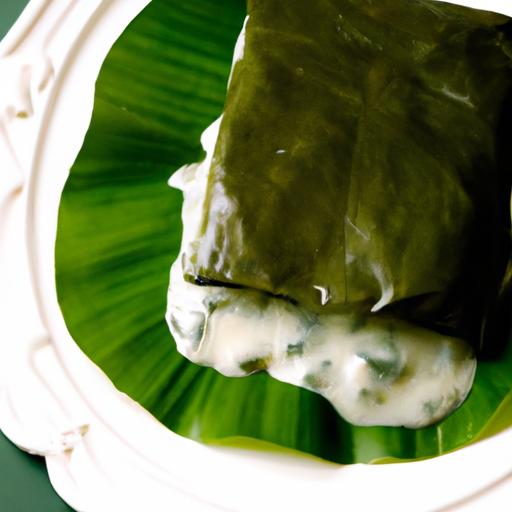

In the vibrant tapestry of Filipino cuisine, Laing stands out as a beloved dish that wraps the humble taro leaves in a rich, creamy embrace of coconut milk. This comforting delicacy, known for its luscious texture and subtle depth of flavor, is more than just a meal-it’s a journey into the heart of Bicol’s culinary heritage. Whether you’re a seasoned foodie or a curious kitchen adventurer, mastering the art of laing promises a rewarding experience that brings together earthiness, creaminess, and just the right hint of spice. Join us as we explore the secrets behind this iconic recipe and discover how to create your own bowl of creamy taro leaves in coconut goodness.
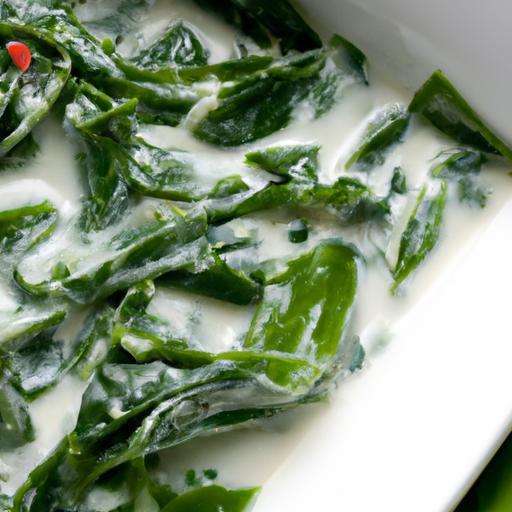
Laing recipe: creamy taro leaves in coconut goodness is a beloved Filipino dish that embodies the rich flavors and comforting textures of Bicol’s culinary heritage. This sumptuous stew melds tender taro leaves wiht luscious coconut milk, enlivened by aromatic spices and a hint of chili heat, resulting in a dish both vibrant and soothing. Drawing from my years of experience as a culinary content creator and food stylist, I’ll guide you through every step to unlock that perfect creamy texture and authentic taste, turning your kitchen into a restaurant-worthy haven of Filipino warmth.
Prep and Cook Time
- Preparation: 20 minutes
- Cooking: 45 minutes
- Total Time: 1 hour 5 minutes
Yield
Serves 6 generous portions
Difficulty Level
Medium – ideal for cooks ready to explore traditional Filipino flavors with attentive cooking techniques.
Ingredients
- 300g dried taro leaves (gabi leaves),</b rinsed and drained carefully
- 1 liter thick coconut milk (kakang gata preferred for creaminess)
- 300g pork belly,</b diced (optional for extra richness)
- 5 cloves garlic,</b minced
- 1 medium onion,</b finely chopped
- 1 thumb-sized ginger,</b julienned
- 3 pcs bird’s eye chili (siling labuyo),</b whole or chopped for mild heat
- 2 tablespoons shrimp paste (bagoong alamang),</b for umami depth
- 1 tablespoon fish sauce,</b for seasoning
- Salt and pepper,</b to taste
- 2 tablespoons cooking oil (coconut oil for authenticity)
Instructions
- Prepare the taro leaves: Carefully rinse and shake off excess water to avoid sliminess. Handle gently as the leaves are delicate and can tear easily.
- Sauté the aromatics: In a large pot, heat 2 tablespoons of coconut oil over medium heat. Add garlic, onion, and ginger; sauté until golden and fragrant, about 5 minutes. Stir occasionally to prevent sticking.
- brown the pork (optional step): Add the diced pork belly and cook until lightly browned and rendered fat released, about 7 minutes.
- Add shrimp paste: Stir in the shrimp paste and cook for 2 minutes to deepen its flavor.
- Incorporate coconut milk: Pour in the thick coconut milk and bring to a gentle simmer.Avoid boiling vigorously to prevent curdling. Reduce heat to low.
- Add taro leaves: Slowly layer the taro leaves into the pot. Press down gently to submerge leaves but avoid breaking them up extensively.
- Season and simmer: Season with fish sauce, salt, and pepper. Add the bird’s eye chilies for aromatic spice.Cover partially and simmer on low heat for 30-40 minutes, stirring occasionally to prevent sticking and ensure even cooking.
- Check texture: The ideal creamy laing texture is rich and silky, with the leaves tender yet cohesive in the coconut sauce.Adjust seasoning as needed.
- Cool slightly before serving: This allows the flavors to meld beautifully and enhances the creamy mouthfeel.
Tips for Success
- Ingredient authenticity: Use dried taro leaves if available, as the fresh variety has a different texture and flavor profile. Always handle taro leaves carefully to avoid irritation from tiny needles on fresh leaves.
- Prevent coconut milk curdling: Maintain a gentle simmer rather than a rapid boil. Stir gently but regularly.
- For vegetarian version: Skip pork and shrimp paste; supplement with mushroom broth and a pinch of smoked paprika to mimic umami.
- make ahead tip: Laing tastes even better the next day when the flavors deepen. Refrigerate and gently reheat on low heat, stirring as needed.
- Chili heat level: Adjust to taste. Removing seeds will reduce spiciness without losing aroma.
Serving Suggestions
Serve your creamy laing steaming hot alongside perfectly steamed white rice to soak up every luscious drop of coconut sauce. Garnish with thinly sliced fresh chili or a sprinkle of fried garlic for texture contrast and added aroma. For an added layer of flavor, pair this dish with grilled or fried fish and a refreshing cucumber salad to balance the richness. A side of classic chicken adobo makes for a delightful pairing, capturing the heart of Filipino comfort food.

| Nutrient | Per Serving |
|---|---|
| Calories | 320 kcal |
| Protein | 15 g |
| Carbohydrates | 8 g |
| Fat | 25 g |
For more insights into Filipino cuisine and tropical ingredients, visit Saveur’s authentic Laing recipe overview, a reliable source packed with rich cultural context and cooking inspiration.
Q&A
Q&A: laing Recipe – Creamy Taro Leaves in Coconut Goodness
Q1: What exactly is Laing?
A1: Laing is a beloved Filipino dish featuring taro leaves slowly simmered in rich coconut milk, infused with garlic, chili, and shrimp paste or fish sauce. It’s a creamy, comforting blend of earthy, spicy, and savory flavors that truly celebrates coconut’s tropical magic.
Q2: Why use taro leaves in this recipe?
A2: Taro leaves bring a unique texture and subtle earthiness to Laing. when cooked, they soften into silky layers that absorb the coconut milk’s flavor beautifully, creating that luscious mouthfeel that makes laing so irresistible. Plus, they’re packed with nutrients like vitamins A and C!
Q3: Is there anything special to know about preparing taro leaves?
A3: Yes! Taro leaves contain calcium oxalate crystals that can irritate your throat if not cooked properly. Always make sure to simmer the leaves thoroughly until they’re tender and the creamy sauce has thickened to perfection. Handling with gloves is also recommended if you’re sensitive.
Q4: What makes the coconut milk in Laing so essential?
A4: Coconut milk is the heart and soul of Laing. It turns the dish into a silky,dreamy stew that envelops each leaf with tropical sweetness and richness,balancing the spicy kick and umami depth. Using fresh coconut milk, when possible, elevates the dish even more.
Q5: Can Laing be made vegetarian or vegan?
A5: Absolutely! While traditional Laing often includes shrimp paste or dried fish for depth,you can skip these or substitute with miso paste or soy sauce for that umami punch.Just ensure your coconut goodness remains creamy and comforting-it’s the foundation that matters.
Q6: What are some ideal pairings for Laing?
A6: Laing pairs wonderfully with warm steamed rice, allowing you to soak up every drop of the luscious sauce. For a hearty meal, serve it alongside grilled pork belly or fried fish. A cold, refreshing calamansi or mango juice completes the tropical feast.
Q7: How can I add a creative twist to the classic Laing?
A7: Experiment with adding toasted coconut flakes on top for crunch or a squeeze of calamansi for bright contrast. You can also toss in some coconut cream near the end for extra decadence or swap in different chili varieties to tweak the spice level and flavor profile.
Q8: Is Laing easy to prepare for home cooks?
A8: While it requires patience to slowly simmer and properly cook the taro leaves, the process is straightforward and deeply rewarding. With a few quality ingredients and careful attention, anyone can make this creamy, comforting dish burst with authentic Philippine flavors right in their kitchen.
Ready to dive into a bowl of creamy, spicy, coconut-infused comfort? Embrace Laing and let the tropical flavors transport you to the heart of the Philippines-one luscious leaf at a time!
Wrapping Up
In the vibrant tapestry of Filipino cuisine, Laing stands out as a dish that marries simplicity with rich, comforting flavors. This creamy taro leaves recipe, soaked in the lushness of coconut milk, invites you to experience a taste both earthy and indulgent. Whether you’re a seasoned foodie or a curious culinary explorer, making Laing at home offers a delicious journey into the heart of Bicol’s heritage. So next time you crave something warm,silky,and deeply satisfying,let this recipe be your gateway to a creamy,coconut-infused delight that lingers long after the last bite.