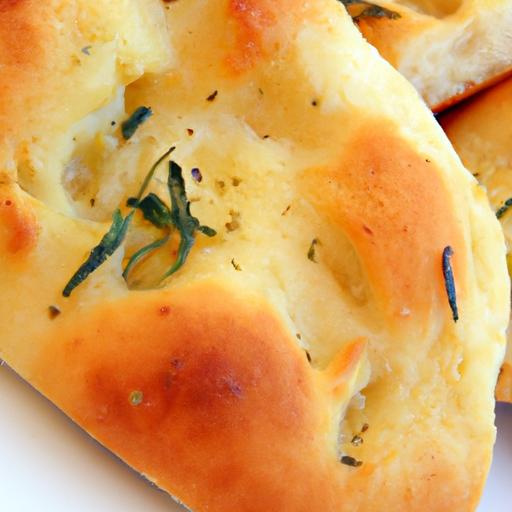

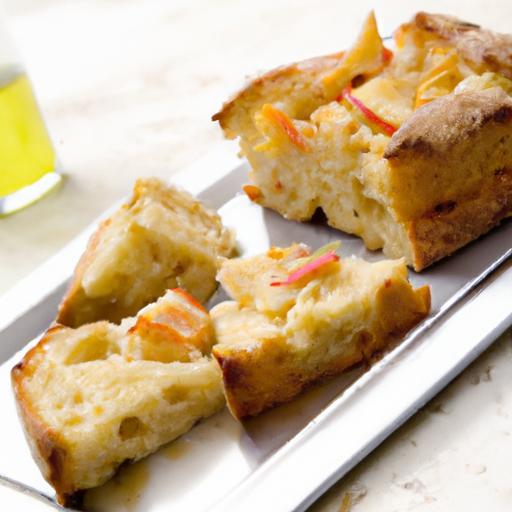
There’s something undeniably magnetic about the rustic charm of customary Italian bread, and few varieties capture this essence quite like Focaccia Barese. Hailing from the sun-kissed region of Puglia in southern Italy, this golden, olive oil-kissed flatbread is a celebration of simple ingredients transformed into remarkable flavor. With its tender crumb, crispy edges, and bursts of ripe tomatoes and fragrant herbs, the authentic Focaccia Barese is more than just bread-it’s a sensory journey into the heart of Mediterranean cuisine. Join us as we uncover the secrets behind this beloved recipe, revealing how you can bring a slice of Italy’s culinary heritage right into your own kitchen.
Discover the Flavors of Authentic Focaccia Barese Recipe invites you on a journey to the sun-drenched southern Italian coast, where this beloved focaccia was born. This distinct, airy flatbread is a true expression of Puglia’s rich culinary heritage, defined by its golden-crisp crust, olive-studded simplicity, and the vibrant burst of cherry tomatoes. Each bite reflects a timeless tradition, brought to life by fresh, regional ingredients and a careful balance of textures that make focaccia Barese both comforting and irresistibly flavorful.
Prep and cook Time
- Preparation: 25 minutes
- First Rise: 1 hour
- Second Rise: 30 minutes
- Baking Time: 25-30 minutes
- Total Time: About 2 hours 30 minutes
Yield
Serves 6-8 people as a scrumptious appetizer or side.
Difficulty Level
Medium – Great for home bakers who have experimented with yeast breads and want to elevate their focaccia skills.
Ingredients
- 500g (4 cups) all-purpose flour, sifted
- 1 packet (7g) active dry yeast
- 1 teaspoon sugar
- 325ml (1⅓ cups) lukewarm water
- 60ml (¼ cup) extra-virgin olive oil, plus more for drizzling
- 10g (2 teaspoons) fine sea salt
- Handful of ripe cherry tomatoes, halved
- 12-15 Kalamata olives, pitted and halved
- Fresh rosemary sprigs
- Coarse sea salt, for finishing
Instructions
- Activate the yeast: In a small bowl, combine lukewarm water with sugar and active dry yeast. Stir gently and let it sit for 5-10 minutes untill foamy and alive. This step ensures your focaccia Barese develops perfect lift and airiness.
- Mingle dry ingredients: In a large mixing bowl, whisk together sifted flour and sea salt. Create a well in the center.
- Incorporate liquids: Pour the yeast mixture and extra-virgin olive oil into the well. Stir with a wooden spoon until the dough starts to come together.
- Knead the dough: Transfer the dough to a lightly floured surface and knead vigorously for 8-10 minutes until smooth, elastic, and slightly tacky but not sticky. Use a splash of olive oil on your hands if dough clings too much.
- First rise: Lightly oil a large bowl, place dough inside, cover with a clean kitchen towel or plastic wrap, and let it rise in a warm place for 1 hour or until doubled in size.
- Prepare baking tray: Generously oil a baking sheet (about 13×18 inches). Gently transfer the risen dough onto the tray. Using your fingertips, press and stretch the dough to cover the tray evenly without tearing.
- Second rise: Cover the dough loosely and allow it to rest for 30 minutes until puffed slightly.
- Top your focaccia: Dimple the dough deeply with your fingertips to create signature pockets. Scatter halved cherry tomatoes, Kalamata olives, and fresh rosemary sprigs evenly across the surface. Drizzle liberally with extra-virgin olive oil and sprinkle coarse sea salt to amplify flavor and texture.
- Bake: Preheat your oven to 220°C (430°F).Place the focaccia on the middle rack and bake for 25-30 minutes,until the crust is deeply golden and crisp while the interior remains pillowy and soft.
- Rest and serve: Remove from oven, drizzle with a little more olive oil if desired, and let it cool briefly before slicing into squares or wedges.
tips for Success
- For a more vibrant taste, replace half the all-purpose flour with bread flour to enhance gluten development and chewiness.
- If cherry tomatoes are out of season, substitute with sun-dried tomatoes rehydrated and drained to maintain authenticity.
- Try adding a sprinkle of rosemary-infused olive oil before baking to deepen the herbaceous notes.
- Don’t skip the finger dimpling step – it’s essential to trap olive oil and toppings, creating those irresistible pockets of flavor in every bite.
- Make-ahead amiable: dough can be refrigerated overnight after the first rise. Bring to room temperature before the second rise for convenience and enhanced flavor.
Serving Suggestions
this focaccia Barese shines brightest when served warm, paired with fresh burrata or creamy ricotta cheese. garnish plates with fresh basil leaves and a drizzle of aged balsamic vinegar for a refined touch. It also complements antipasto platters featuring cured meats, marinated vegetables, and robust Italian wines. For casual snacking, slice into strips and serve alongside a bowl of green olive tapenade or a chilled glass of crisp Puglian white wine.
Nutritional Facts
| nutrient | Per Serving (1/8 focaccia) |
|---|---|
| Calories | 280 kcal |
| Protein | 6 g |
| Carbohydrates | 38 g |
| Fat | 9 g |

For a deeper dive into Italian breads to complement this recipe, explore our comprehensive guide on traditional Italian breads. To understand the regional importance of olive oil, visit the international Olive Council for expert insights.
Q&A
Q&A: Discover the Flavors of Authentic Focaccia Barese Recipe
Q1: What makes Focaccia Barese different from other types of focaccia?
A1: Focaccia Barese hails from Bari, a bustling port city in southern Italy, and it stands out thanks to its unique texture and toppings. Unlike the airy Ligurian focaccia, Barese focaccia is thicker, chewier, and generously dimpled. It’s also studded with juicy cherry tomatoes and briny local olives, which infuse the bread with bursts of flavor. A drizzle of fragrant extra virgin olive oil and a sprinkle of coarse sea salt complete its rustic charm.
Q2: What key ingredients define an authentic Focaccia Barese?
A2: authentic Focaccia Barese is all about simplicity and quality. The star ingredients are high-gluten wheat flour, fresh yeast, warm water, cherry tomatoes (preferably local varieties), Taggiasca or Gaeta olives, coarse sea salt, and of course, abundant extra virgin olive oil-ideally from Bari’s olive groves. the dough’s long fermentation develops its signature taste and texture.
Q3: How is the dough for Focaccia Barese prepared differently compared to other breads?
A3: The dough undergoes a lengthy fermentation process, often overnight, allowing natural yeasts to create a complex flavor profile and airy crumb. Once fully risen, the dough is pressed into the pan with fingertips (creating characteristic dimples) before the toppings are added. this gentle handling, combined with oiling the pan generously, ensures a golden, crispy base with a tender interior.
Q4: Can Focaccia Barese be enjoyed on its own, or is it better with accompaniments?
A4: Focaccia Barese is incredibly versatile! It’s flavorful eaten warm, straight out of the oven, thanks to its flavorful, olive oil-rich crumb and savory toppings. It also pairs beautifully with fresh cheeses like burrata or mozzarella, cured meats, or a simple drizzle of balsamic vinegar. For a light meal or snack, slice it horizontally and fill it with prosciutto and arugula-the essence of Southern Italian street food.Q5: What occasions are perfect for serving Focaccia Barese?
A5: This focaccia shines at casual gatherings, picnics, and as a starter in Italian-themed dinners.Its rustic yet sophisticated flavor profile makes it a crowd-pleaser at family meals or holiday feasts. Because it keeps well, you can make it ahead and reheat slightly to restore its crisp edges, ensuring everyone enjoys a slice of Puglia no matter when you serve it.
Q6: Any tips for home bakers attempting Focaccia Barese for the first time?
A6: Absolutely! Patience is key-don’t rush the fermentation; it’s vital for flavor and texture. Use your fingertips to dimple the dough gently rather than pressing too hard. Choose fresh, ripe cherry tomatoes and good-quality olives to bring authentic taste to the bread. Lastly,don’t skimp on olive oil-it’s what creates that luscious golden crust and rich mouthfeel. With these steps,you’ll soon transport your kitchen to the sun-soaked shores of Bari.
Q7: How does Focaccia Barese reflect the culture and landscape of Puglia?
A7: every bite of Focaccia Barese tells the story of Puglia’s fertile lands and coastal climate. The olive oil mirrors the region’s sprawling groves, while the tomatoes and olives embody the mediterranean bounty. Simple, hearty, and deeply rooted in tradition, this focaccia reflects the Pugliese spirit: embracing rustic authenticity and natural flavors with warmth and generosity.It’s more than bread-it’s a taste of a place and its people.
The Conclusion
As you close the chapter on your culinary journey through the sun-kissed shores of Puglia, the rich, aromatic layers of the authentic Focaccia Barese linger not just on your palate, but in your memory. This humble, golden flatbread-brimming with olive oil, cherry tomatoes, and fragrant herbs-offers more than just a recipe; it’s a taste of tradition, culture, and heartfelt simplicity. Weather you’re a seasoned baker or a curious food lover, embracing the flavors of Focaccia Barese invites you to savor a piece of Italian heritage with every bite. So,roll up your sleeves,gather your ingredients,and let the rustic charm of this classic dish transform your kitchen into a little corner of Puglia,one delicious slice at a time.