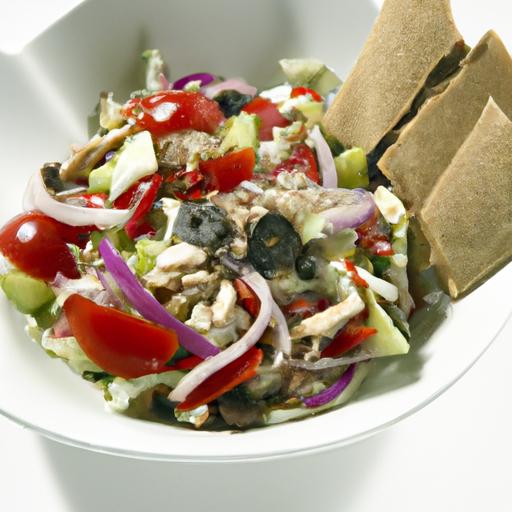

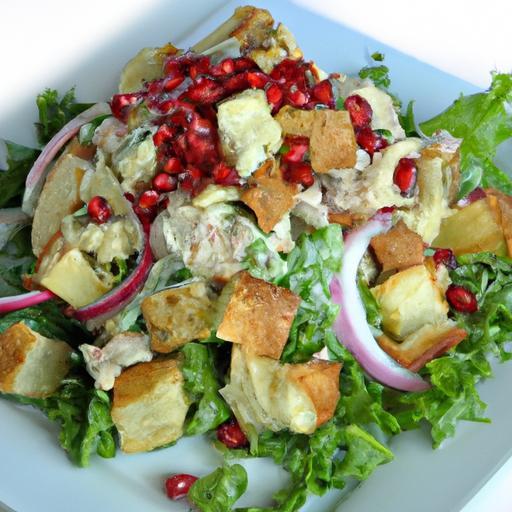
There’s something undeniably vibrant about a salad that crunches,sizzles,adn sings with freshness in every bite. Enter fattoush: the classic Middle Eastern bread salad that masterfully marries toasted pita,crisp vegetables,and a tangy,herb-laden dressing into a refreshing symphony of flavors and textures.More than just a side dish, fattoush is a celebration of simplicity and zest-a culinary canvas where wholesome ingredients come alive in radiant, unexpected ways. In this article, we’ll delve into the art of mastering fattoush, exploring it’s origins, key components, and expert tips to elevate this timeless favorite from a humble salad to a staple of vibrant, flavorful dining. Get ready to rediscover freshness with every forkful!
exploring the Origins and Cultural Importance of Fattoush
Fresh flavors: Mastering the Classic Fattoush Bread Salad invites us on a vibrant culinary journey to the Levant, where this beloved salad originates. Fattoush holds a treasured place in Middle Eastern cuisine, particularly in Lebanese and Syrian households, where it has been passed down through generations as a symbol of communal dining and seasonal bounty. Traditionally enjoyed during warm months, its crisp ingredients and tangy dressing mirror an agricultural landscape rich in fresh produce.What sets this salad apart is its ingenious use of stale pita bread, transforming humble leftovers into an irresistible crunch that complements the medley of garden-fresh vegetables.
Personally, I recall my first encounter with fattoush at a bustling Beirut market – a burst of zesty sumac and fresh herbs combined with toasted bread made the salad both comfortingly simple and exotic. This dish is a testament to how fresh flavors can elevate everyday ingredients into a refreshing culinary masterpiece.
prep and Cook Time
- Preparation: 20 minutes
- Toasting Bread: 10 minutes
- Total time: 30 minutes
Yield
Serves 4 as a light meal or side dish
Difficulty Level
Easy – Perfect for weekday dinners or weekend entertaining
Selecting the perfect Ingredients for Vibrant and Tangy Flavors
achieving the bright, tangy allure in this salad starts with handpicking the freshest components. For leafy greens, crisp romaine lettuce and peppery arugula offer a fantastic textural foundation. Up next, ripe cherry tomatoes burst with sunny sweetness, while crunchy cucumbers add cooling contrast to the zingy notes. The key lies in the herbs: a fragrant mix of fresh mint and parsley infuses unmistakable Levantine aroma. For the bread,seek out conventional pita or markouk – ideally from the day before,perfect for toasting to golden perfection.
- Romaine lettuce: 3 cups, chopped
- Cherry tomatoes: 1 cup, halved
- English cucumber: 1 medium, diced
- Radishes: 4, thinly sliced
- Red bell pepper: 1 small, diced
- Fresh parsley: ½ cup, finely chopped
- Fresh mint: ¼ cup, finely chopped
- Green onions: 3, thinly sliced (white and green parts)
- Pita bread: 2 large or 3 small pieces, cut into triangles
- Sumac powder: 2 tbsp, for dressing and garnish
Techniques for Toasting Bread to Achieve Ideal Crunch and Texture
Toasting pita bread to the ideal crunch is essential for the perfect fattoush experience.Begin by preheating your oven to 375°F (190°C).Arrange the pita triangles in a single layer on a baking sheet, brushing lightly with olive oil and sprinkling a pinch of salt to bring out a richer flavor. Toast until the bread is golden and crisp but not browned too deeply – about 8-10 minutes. Keep an eye on them as pita can quickly go from toasted to burnt. Alternatively,for a smokier note,gently pan-toast the bread over medium heat in a dry skillet,turning often until each side crisps evenly.
Once toasted, the bread should crackle under a gentle bite, adding contrast to the tender vegetables in the salad. Store toasted bread in an airtight container if preparing ahead to maintain optimal crunch.
Crafting the Signature sumac Dressing for Authentic and Balanced Taste
The soul of fattoush lies in its unmistakable sumac dressing – a harmonious blend that balances tang, salt, herbaceousness, and a touch of sweetness. start with freshly squeezed lemon juice to provide a lively citrus foundation. Whisk in robust extra virgin olive oil, a dash of pomegranate molasses for subtle sweetness and depth, and sumac powder for tangy earthiness. A pinch of sea salt, freshly cracked black pepper, and a hint of minced garlic round out the profile, maintaining the dressing’s bright yet grounded character.
For best results,prepare the dressing just before tossing the salad to keep the flavors vivid and ingredients crisp. Taste and adjust acidity or sweetness depending on your preference.The dressing beautifully coats the components without overpowering them, delivering that fresh, zesty punch that fattoush is celebrated for.
Ingredients
- For the Salad:
- 3 cups romaine lettuce, chopped
- 1 cup cherry tomatoes, halved
- 1 English cucumber, diced
- 4 radishes, thinly sliced
- 1 small red bell pepper, diced
- ½ cup fresh parsley, chopped
- ¼ cup fresh mint, chopped
- 3 green onions, thinly sliced
- 2 large pita breads, cut into triangles
- For the Sumac Dressing:
- ¼ cup freshly squeezed lemon juice
- ⅓ cup extra virgin olive oil
- 2 tbsp sumac powder
- 1 tbsp pomegranate molasses
- 1 clove garlic, minced
- Salt and freshly cracked black pepper to taste
Instructions
- Prepare the vegetables: Wash and chop romaine lettuce, cherry tomatoes, cucumber, radishes, red bell pepper, parsley, mint, and green onions. Set aside in a large mixing bowl.
- Toast the pita bread: Preheat oven to 375°F (190°C). Arrange pita triangles on a baking sheet,lightly brush with olive oil,and sprinkle a pinch of salt. Toast for 8-10 minutes until golden and crisp. Remove and let cool.
- Make the sumac dressing: In a small bowl, whisk lemon juice, olive oil, sumac powder, pomegranate molasses, minced garlic, salt, and pepper until emulsified and balanced. Adjust seasoning to taste.
- toss the salad: Just before serving, add the toasted pita pieces to the vegetable mixture. Pour the dressing over the salad and toss gently but thoroughly to coat every bite.
- Garnish and serve: Sprinkle additional sumac powder and a few fresh mint leaves on top for a pop of color and enhanced aroma. Transfer to a serving bowl or individual plates.
Tips for Success
- use day-old pita bread for the best toasting results; if fresh, lightly dry in the oven before cutting.
- Sumac powder varies in tartness – opt for a fresh, quality source to preserve the authentic tang.
- For a vegan twist, omit pomegranate molasses or substitute with a touch of balsamic vinegar.
- Make the dressing ahead but store separately to keep bread from becoming soggy.
- Feel free to experiment with additional vegetables like shaved fennel or radicchio for complexity.
Serving Suggestions
Serve your fattoush chilled or at room temperature as a refreshing side dish to grilled meats or falafel. For an eye-catching presentation, mound the salad in a large glass bowl and sprinkle pomegranate seeds and toasted pine nuts on top for added texture and visual appeal. Accompany with warm flatbreads and a spread of hummus or labneh to complete an inviting Middle Eastern feast.
| Nutrient | Per Serving |
|---|---|
| Calories | 180 kcal |
| Protein | 4 g |
| Carbohydrates | 18 g |
| Fat | 10 g |
Discover more vibrant Mediterranean salads to pair with your fattoush. For deeper insights into the nutritional benefits of sumac, visit the National Institutes of Health.

Q&A
Q&A: Fresh Flavors – Mastering the Classic Fattoush Bread Salad
Q1: What exactly is Fattoush, and why is it considered a classic Middle Eastern salad?
A1: Fattoush is a vibrant, refreshing salad bursting with fresh vegetables, herbs, and toasted or fried pieces of pita bread. Originating from the Levant region, it’s cherished for its bright flavors, crunchy textures, and the delightful tang that sumac adds. It represents the ingenuity of Middle Eastern cuisine, turning simple ingredients and leftover bread into a dish full of life and zest.
Q2: What makes the bread in Fattoush so special?
A2: The bread is the star that sets Fattoush apart. Traditionally, pita bread is torn into pieces, then toasted or lightly fried until golden and crisp. Thes crunchy bread bits provide an irresistible contrast to the fresh, juicy vegetables and bring a heartiness that balances the salad. Without the crispy bread, it’s just a regular salad, but with it, you get the signature texture and substance.Q3: Can you describe the flavor profile of Fattoush?
A3: Fattoush dances on your palate with bright and tangy notes-thanks primarily to freshly squeezed lemon juice and sumac spice, which lends a unique lemony tartness. The freshness of cucumbers, tomatoes, radishes, and mint complements the zesty dressing, while the toasted bread adds a subtle nuttiness. The result is a refreshing,light,yet satisfying salad that feels both earthy and lively.
Q4: what are the essential ingredients for an authentic Fattoush?
A4: To nail the classic Fattoush, you’ll need: fresh pita bread, cucumbers, ripe tomatoes, radishes, green onions, parsley, mint leaves, and romaine or crisp lettuce. The dressing is usually a simple mix of olive oil, lemon juice, garlic, and sumac-a Middle Eastern spice crucial for its distinctive tang.Salt and pepper finish it off. Some variations might include pomegranate seeds or bell peppers for added complexity.
Q5: How do you ensure the salad stays crisp and flavorful without the bread getting soggy?
A5: Timing and technique are key! Always add the crispy bread just before serving to keep it crunchy. Some cooks even drizzle a little olive oil on the bread and toast it extra crisp to increase its resilience. Also, keep the salad and dressing seperate until the last moment-toss the veggies in the dressing first, then add the bread quickly and gently fold everything together.
Q6: Are there any creative twists or modern takes on Fattoush worth trying?
A6: Absolutely! While the traditional recipe is a masterpiece, feel free to experiment by incorporating grilled vegetables like zucchini or eggplant, adding pomegranate molasses for a sweeter tang, or mixing in sumac-spiced nuts for extra crunch.For a protein boost, sprinkle chickpeas or grilled chicken on top. The beauty of fattoush is its adaptability-it invites creativity while honoring its roots.
Q7: What occasions or meals is Fattoush best suited for?
A7: Fattoush is wonderfully versatile-perfect as a vibrant starter, a side dish alongside grilled meats, or a light lunch on its own. It shines bright at summer picnics, festive dinners, or whenever you crave something fresh and wholesome. Its balance of textures and flavors means it pairs beautifully with dishes like kebabs, hummus, or baba ganoush.Q8: Any expert tips for mastering the perfect Fattoush at home?
A8: Freshness is king-use the ripest tomatoes and crispest veggies you can find. Don’t skimp on the sumac; it’s the soul of the salad’s tangy kick. Toast or fry your pita bread just before serving, and dress the salad lightly so none of the delicate ingredients get overwhelmed. chop your herbs finely and toss gently to maintain the salad’s fresh, lively character.
With these insights, you’re ready to master Fattoush-a timeless bread salad that brings a burst of fresh flavors to your table every time. Enjoy the vibrant crunch and zesty zing of this Middle Eastern gem!
to Conclude
As you gather the vibrant ingredients and toast the pita to golden perfection, remember that mastering Fattoush is more than just a recipe-it’s an invitation to savor the freshness of the Mediterranean way of life. Each bite delivers a harmonious crunch and a burst of tangy,herbaceous flavor that refreshes the palate and uplifts the spirit. By embracing the art of this classic bread salad, you’re not only crafting a dish but also celebrating a timeless tradition that transforms simple ingredients into a symphony of taste.So go ahead-toss, chill, and serve up your own vibrant bowl of Fattoush, and let its fresh flavors bring a bright new zest to your culinary repertoire.