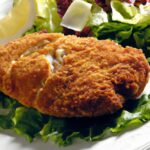

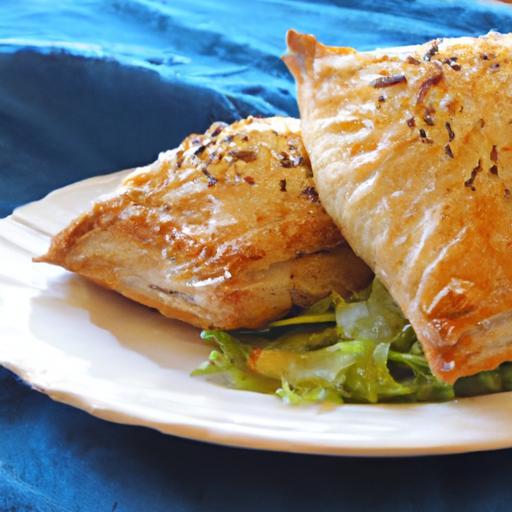
Nestled within the vibrant tapestry of Tunisian cuisine lies a delightful treasure that perfectly balances flaky crispness with savory richness: the Tunisian brick. this golden, paper-thin pastry, expertly folded around a luscious egg filling, is not just a snack-it’s a culinary story of tradition, craft, and irresistible flavor. In this article, we’ll unravel the secrets behind the Tunisian brick recipe, guiding you step-by-step to create your own crispy, egg-stuffed masterpiece right in your kitchen. Whether you’re an adventurous cook or a lover of Mediterranean fare, prepare to embark on a appetizing journey that celebrates simplicity and crunch in every bite.
tunisian Brick Recipe: How to Make crispy Egg-Stuffed Pastry
Tunisian Brick Recipe: How to Make crispy Egg-Stuffed Pastry begins a culinary journey deep into the heart of Tunisian street food culture. This beloved delicacy combines crispy, paper-thin pastry enveloping a tender, fragrant egg filling-a dish that delights both the eyes and the palate. Rooted in the Mediterranean and North African tradition, bricks are more than just a snack; they embody community, party, and simplicity perfected. Preparing this recipe invites you to experience Tunisia’s rich flavors and vibrant cooking heritage.
Prep and Cook Time
- Readiness time: 20 minutes
- Cooking time: 15 minutes
- Total time: 35 minutes
yield
Makes 6 crispy egg-stuffed bricks (serves 3 as main course or 6 as appetizer)
Difficulty Level
Medium – Requires some attention to thin pastry handling and gentle frying techniques.
Ingredients
- 6 sheets brick pastry (malsouka or phyllo dough can be substituted)
- 6 large fresh eggs
- 1 cup canned tuna in olive oil, drained and flaked
- ½ cup finely chopped fresh parsley
- 2 tablespoons capers, rinsed
- 1 small onion, finely diced
- 2 cloves garlic, minced
- Juice of ½ lemon
- Salt and freshly ground black pepper, to taste
- Vegetable oil or light olive oil, for frying
Instructions
- Prepare the filling: In a medium bowl, combine the flaked tuna, chopped parsley, capers, diced onion, and minced garlic. add lemon juice, salt, and pepper. Mix gently to marry the flavors. Set aside.
- Warm the brick pastry: Lay one brick sheet flat on a clean kitchen towel. Keep the remaining sheets covered under a damp cloth to prevent drying out. The pastry should be pliable but not sticky.
- Assemble the brick: Place a generous spoonful of the tuna mixture onto one side of the brick sheet, shaping it into a rough rectangle about 3×4 inches. Carefully crack an egg over the filling, trying to keep the yolk intact.
- Fold the pastry: Fold the brick pastry over the filling, creating a tight, neat triangle or square envelope. Press edges gently to seal but avoid tearing the delicate dough.
- Heat the oil: In a large skillet, heat enough vegetable or olive oil over medium heat to cover half the thickness of the bricks (about ¼ inch). the oil should be hot but not smoking-around 320°F (160°C).
- Fry the brick: Carefully place the folded brick into the oil with the seam side down to seal the pastry during cooking. Fry for 3-4 minutes or until golden and crisp, gently flipping once to brown both sides evenly. Handle with care to keep the egg yolk soft but cooked gently through.
- Drain and serve: Remove the brick from the oil using a slotted spatula and place on paper towels to drain excess oil. Serve immediately to preserve the signature crispiness.
Tips for Success
- Use fresh eggs with vibrant yolks for the best visual appeal and creaminess inside the brick.
- Work swiftly when handling brick pastry sheets to prevent them from drying and cracking.
- If malsouka pastry is unavailable, phyllo dough is a suitable substitute-just brush it lightly with oil or melted butter before assembling.
- Adjust the filling by adding finely chopped potatoes or herbs for a heartier bite.
- For a healthier twist, try shallow frying or baking at 375°F (190°C) on parchment paper until golden and crisp.
- Prevent oil temperature from getting too hot to avoid burnt pastry and undercooked filling-medium heat is crucial.
Serving Suggestions
Present these golden bricks with a fresh squeeze of lemon and a sprinkle of finely chopped parsley. Pair them with a simple tomato and cucumber salad or a tangy harissa-based sauce for dipping. Accompany with a glass of Tunisian mint tea or crisp white wine to enhance the meal’s authenticity and complement the rich flavors.

| Nutrient | Per Serving |
|---|---|
| Calories | 280 kcal |
| Protein | 18 g |
| Carbohydrates | 20 g |
| Fat | 12 g |
Discover more customary North African delights in our Moroccan Brick Recipe article for a flavorful culinary adventure beyond Tunisia.
Q&A
Q&A: Tunisian Brick Recipe – How to Make crispy Egg-Stuffed Pastry
Q1: what exactly is Tunisian brick?
A: Tunisian brick, also known simply as “brik,” is a beloved North African delicacy featuring ultra-thin pastry wrapped around a luscious, frequently enough egg-centered filling. Crispy and golden on the outside, with a molten, savory surprise inside, brik is a must-try for anyone craving a perfect blend of crunch and creaminess.
Q2: What ingredients do I need to make authentic Tunisian brick?
A: At its core,Tunisian brick requires thin pastry sheets-traditionally malsouka or warqa-eggs,tuna or minced meat (optional),parsley,capers or olives,and a sprinkle of spices like cumin or harissa for a hint of heat. Lemon wedges on the side add the perfect finishing tang.
Q3: Can I substitute the traditional pastry sheets if I can’t find malsouka?
A: Absolutely! While malsouka offers the ideal crispiness and delicate texture, you can use phyllo dough as a close alternative. Just work carefully to layer it thinly and brush with oil or butter between layers to mimic that signature crunch.Q4: How do I prevent the egg from leaking out during frying?
A: The trick lies in folding technique and timing. First,carefully crack the egg onto the pastry and swiftly fold it into a neat triangle or envelope shape,sealing the edges tightly. Fry immediately in hot oil, so the egg cooks quickly and stays contained, creating that glorious runny yolk inside a crispy shell.
Q5: What are some variations on the classic egg-stuffed brik?
A: Tunisian brick is versatile! Some fill it with spiced ground beef or lamb, minced potatoes, cheese, or even veggies like spinach. Herbs and spices can be adjusted-adding harissa brings fiery warmth, while fresh mint or coriander brightens the flavor.the egg remains the heart of tradition, but creativity is welcome.Q6: What’s the best oil to use for frying brik?
A: use a light, high-smoke-point oil like sunflower, vegetable, or canola oil. These oils enable a speedy,even fry without overpowering the delicate flavor of the pastry and filling.
Q7: How do I know when the brik is perfectly cooked?
A: look for a golden-brown,blistered exterior that’s crisp to the touch. The egg yolk inside should still be slightly runny but cooked enough to bind the ingredients. It usually takes about 2-3 minutes per side in hot oil.
Q8: Can Tunisian brick be baked instead of fried?
A: While frying is traditional to achieve that legendary crispiness, baking is a healthier alternative. Brush the folded bricks generously with oil or butter,place them on a baking sheet,and bake at 400°F (200°C) until golden and crunchy-about 15-20 minutes. The texture will be slightly diffrent but still delicious.
Q9: What’s the cultural meaning of brik in Tunisia?
A: Brik is more than a snack-it’s a symbol of hospitality and festivity. Often served during Ramadan or family gatherings, it embodies the warmth and generosity of Tunisian culture. Each bite connects you to generations of cooks who cherish this simple yet spectacular culinary tradition.
Q10: Any expert tips for first-timers trying to make Tunisian brick?
A: Handle the pastry gently-it’s delicate and tears easily. Work quickly when adding the egg and folding to prevent leakage. Keep your oil hot but not smoking, and don’t overcrowd the pan to ensure even cooking. Above all, enjoy the process-it’s as much about the ritual as the result!
Wrapping Up
As you wrap up your Tunisian brick adventure, remember that this crispy, golden parcel is more than just a snack-it’s a celebration of flavors and textures, a testament to culinary creativity. With its delicate, flaky exterior giving way to a warm, savory egg-stuffed center, mastering this recipe is like capturing a little piece of Tunisian street food magic right in your own kitchen. So next time you crave a bite that’s equal parts crunchy and comforting, revisit this recipe and let each crispy brick tell its delicious story. Happy cooking, and may your kitchen always be filled with the irresistible crackle of fresh pastry!