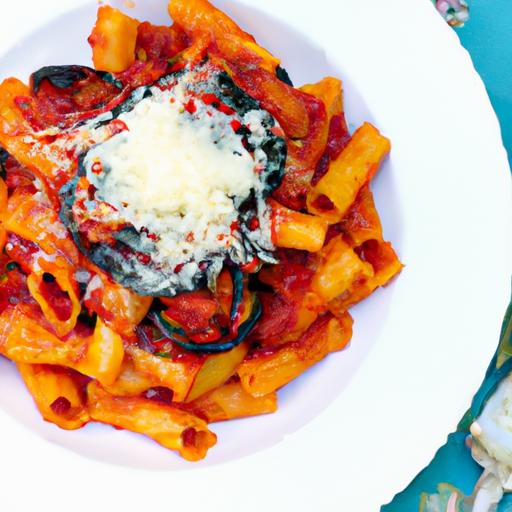

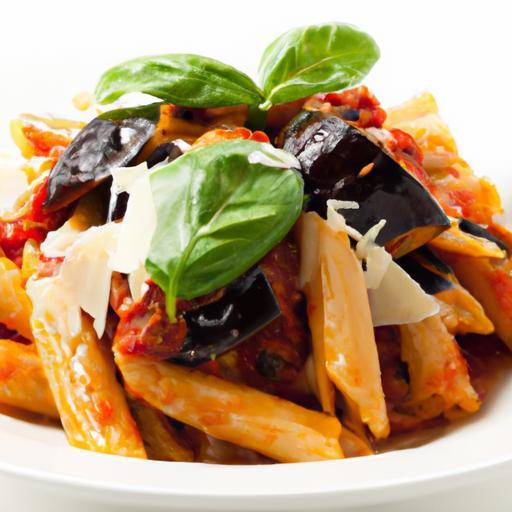
Few dishes capture the soul of Sicilian cuisine quite like pasta alla Norma. This timeless recipe, bursting with vibrant flavors and rich history, invites both seasoned cooks and curious food lovers to experience a true mediterranean classic. from the silky eggplant and fragrant tomato sauce to the delicate sprinkle of salty ricotta salata, Pasta alla Norma is more than just a meal-it’s a celebration of tradition, simplicity, and passion. Join us as we uncover the origins,secrets,and irresistible allure of this iconic dish that continues to enchant palates around the world.
Discover the Classic Charm of Pasta alla norma Recipe unveils a timeless Sicilian treasure steeped in rich history and vibrant flavors. This iconic dish, named after Vincenzo Bellini’s opera “Norma,” carries the essence of Catania’s culinary heritage, a tribute to the region’s love for fresh ingredients and simple yet evocative preparations. I still remember the first time I tasted Pasta alla Norma under the Sicilian sun-the silky pasta perfectly coated with luscious tomato sauce, tender golden-fried eggplants, and the bold punch of salty ricotta salata was nothing short of magical. It’s more than a meal; it’s a story, a ritual, and a celebration of Sicily’s vibrant produce and passion for food.
Prep and Cook Time
- Preparation: 20 minutes
- cooking: 30 minutes
- Total Time: 50 minutes
Yield
- Serves 4 hearty portions
Difficulty Level
- Medium – suitable for eager cooks ready to dive into authentic Italian flavors
Key Ingredients That Bring Pasta alla Norma to Life
- 300g spaghetti or rigatoni (traditional Sicilian dishes favor rigatoni for its ridges that cling to sauce beautifully)
- 2 medium eggplants, peeled into long strips or diced (choose firm and glossy)
- 4 large ripe tomatoes, finely chopped or 1 can San Marzano tomatoes (for a sweeter, balanced sauce)
- 3 garlic cloves, thinly sliced
- Fresh basil leaves, a generous handful
- 100g ricotta salata cheese, grated (the star salty and creamy finishing touch)
- extra virgin olive oil (for frying and sauce base)
- Salt and freshly ground black pepper, to taste
- Optional pinch of chili flakes, to add a delicate heat boost
Step-by-Step Guide to Mastering the Traditional Recipe
- Prepare the eggplants: After peeling, cut the eggplants into roughly 1-inch cubes or strips. Sprinkle lightly with salt and set in a colander for 20 minutes to draw out bitterness. Rinse and pat dry with paper towels to avoid excess moisture.
- Fry the eggplants: Heat a generous layer of olive oil in a deep skillet over medium heat. Fry the eggplants in batches until golden and tender-about 5 minutes per batch. Avoid overcrowding. Transfer to a plate lined with paper towels to absorb excess oil.
- Craft the sauce: In a large sauté pan, warm 3 tablespoons of olive oil. Add sliced garlic and, if using, chili flakes. Sauté until fragrant but not browned, around 2 minutes. Toss in the fresh tomatoes or canned tomatoes, season with salt and pepper, and simmer on low heat for 15-20 minutes, stirring occasionally until thickened and rich.
- Cook the pasta: Bring a large pot of salted water to a boil. Cook the pasta al dente according to package instructions-usually 8 to 10 minutes for spaghetti. reserve about a cup of pasta water before draining.
- Combine & finish: Toss the pasta into the tomato sauce, adding reserved pasta water in small increments to achieve a lush, silky coating. Gently fold in the fried eggplants and fresh basil leaves, stirring carefully to meld flavors without smashing the eggplants.
- Plate & garnish: Serve immediately, topped generously with grated ricotta salata and a drizzle of extra virgin olive oil. For a final flourish, scatter a few fresh basil leaves.
Tips for Perfecting Texture and enhancing Authentic Flavors
- Salt your pasta water well-it should taste like the sea to maximize pasta flavor.
- Don’t skip salting and draining the eggplants; this step prevents them from absorbing too much oil during frying.
- Use high-quality extra virgin olive oil for both frying and finishing; its fruity,peppery notes are key to authenticity.
- Grate ricotta salata fresh before serving to maintain its salty tang and crumbly texture.
- If you want a lighter version, roast eggplants rather of frying, but understand this shifts the traditional flavor balance.
- For a richer sauce, add a touch of tomato paste when sautéing the garlic to deepen color and umami.
- Cooking pasta to al dente ensures perfect bite-the slight firmness contrasts beautifully with the silky sauce and soft eggplants.
Serving Suggestions
Present Pasta alla Norma on simple white plates to highlight its vibrant red sauce, dark purple eggplants, and fresh green basil. Add a wedge of lemon on the side to brighten each bite, and pair with a crisp Sicilian white wine like Grillo or a fresh Prosecco to complement the dish’s fresh acidity and salty cheese. A rustic loaf of crusty bread is a must-have to soak up the luscious sauce, while a light arugula salad offers a peppery, refreshing bite alongside this comforting staple.
| Nutrient | Per Serving |
|---|---|
| Calories | 450 kcal |
| Protein | 12 g |
| Carbohydrates | 65 g |
| Fat | 15 g |

For more authentic Italian recipes to complement your Pasta alla Norma, explore our Classic Italian Pasta Recipes. Learn more about Sicily’s cultural food heritage here.
Q&A
Q&A: Discover the Classic Charm of Pasta alla Norma Recipe
Q1: What is Pasta alla Norma,and where does it come from?
A1: Pasta alla Norma is a beloved Sicilian dish that celebrates simplicity and robust flavors. Originating from Catania, Sicily, this recipe combines tender pasta with rich tomato sauce, fried eggplant, fresh ricotta salata cheese, and fragrant basil. Legend has it that the dish was named after the opera “Norma” by Vincenzo Bellini, a native of Catania, making it not just a meal but a tribute to Sicilian culture.
Q2: What makes Pasta alla Norma stand out among other Italian pasta dishes?
A2: What sets Pasta alla Norma apart is its perfect harmony of textures and tastes-the creamy, salty ricotta salata contrasts beautifully with the tender fried eggplant and vibrant tomato sauce.Unlike heavier cream-based sauces, this dish balances rustic simplicity with elegant layers of flavor, capturing the essence of Mediterranean cooking in every bite.
Q3: Can you substitute any ingredients to make Pasta alla Norma?
A3: While traditionalists swear by authentic Sicilian ingredients-eggplant, ripe tomatoes, and ricotta salata-you can tweak the recipe based on availability or dietary needs. For example, if ricotta salata isn’t on hand, a sprinkle of parmesan or Pecorino Romano can add a different but still delightful twist. For a gluten-free version, try using your favorite gluten-free pasta.
Q4: What type of pasta works best in Pasta alla Norma?
A4: Classic Pasta alla Norma typically features short, ridged pasta such as rigatoni, penne, or even mezze maniche, which hold onto the chunky tomato sauce and eggplant chunks beautifully. However, long pasta like spaghetti or bucatini can also work, offering a silky contrast to the hearty sauce.
Q5: How can I make the eggplant in Pasta alla Norma taste less bitter and more delicious?
A5: To reduce bitterness, slice the eggplant and sprinkle it with salt, then let it sit for about 30 minutes. This process draws out any excess moisture and bitterness. After rinsing and drying, fry the eggplant slices in olive oil until golden and crisp. This step ensures a tender, flavorful eggplant that complements the tomato sauce perfectly.
Q6: Is Pasta alla Norma a good dish for entertaining guests?
A6: Absolutely! Pasta alla Norma’s vibrant colors and layered flavors make it an remarkable yet approachable dish to serve at gatherings. It’s vegetarian-friendly and offers a comforting, rustic elegance that appeals to many palates. plus, it pairs wonderfully with a crisp Sicilian white wine or a light red for an authentic experience.
Q7: Are there any secret tips to elevate my homemade Pasta alla Norma?
A7: use the freshest, ripest tomatoes you can find, or better yet, San Marzano canned tomatoes for a rich sauce base.Fresh basil added at the end brightens the whole dish. Also, don’t rush the sauce-let it simmer gently to develop depth. grating ricotta salata freshly over each plate right before serving gives an aromatic, salty finish that truly makes the dish sing.Q8: how does Pasta alla Norma reflect Sicilian culture and cuisine?
A8: This dish epitomizes Sicilian culinary values: celebrating local, seasonal produce and simplicity elevated through quality ingredients and heartfelt preparation. It tells a story of the island’s vibrant agricultural heritage, Mediterranean climate, and artistic roots. Eating Pasta alla Norma is like tasting a slice of Sicilian history and passion.
In Summary
Embracing the timeless allure of Pasta alla Norma is more than just savoring a dish-it’s a journey into the heart of Sicilian tradition, where every bite tells a story of sun-kissed eggplants, fragrant basil, and ripe tomatoes. Whether you’re a seasoned foodie or a curious home cook,this classic recipe invites you to rediscover simplicity elevated by authentic flavors. so next time you crave a taste of Italy’s rich culinary heritage, let pasta alla Norma transport you to the vibrant streets of Catania, proving that some classics never go out of style.