
Nestled within the vibrant tapestry of Mediterranean and South American cuisines lies a humble yet exceptional culinary gem: fainá. This golden, crispy chickpea flatbread has been delighting palates for centuries, offering a naturally gluten-free alternative that’s as versatile as it is tasty. In “Fainá Unveiled: The Ultimate Chickpea Flatbread Recipe Guide,” we embark on a flavorful journey to uncover the secrets behind this ancient dish-from its rustic origins on the streets of Genoa to its loving reinvention on tables across Argentina and beyond. Whether you’re a seasoned foodie or a curious newcomer, prepare to dive into a world where simplicity meets savory perfection, one chickpea at a time.
Discovering the Origins and Cultural Significance of Fainá
Fainá has long held a cherished place in the culinary traditions of Uruguay and Argentina, where it arrived through Italian immigrants who brought with them recipes from Genoa. This humble chickpea flatbread, known as farinata in Italy, quickly became a beloved staple-celebrated for its simplicity, versatility, and distinctive nutty flavor. More than just food, Fainá embodies a cultural bridge, often enjoyed alongside the iconic Argentine pizza or as a street food comfort snack that unites communities around shared tables.
Growing up near Buenos Aires, I vividly remember the scent of fainá wafting through the air from neighborhood pizzerias, its golden surface crisping perfectly in the oven. This dish’s rustic charm and naturally gluten-free profile make it an enduring favourite worldwide, inspiring home cooks and chefs alike to master the perfect chickpea batter.
Mastering the Perfect Chickpea Batter for Fluffy and Crispy Results
Achieving the ideal balance of fluffiness and crispness in fainá hinges on mixing just the right batter. The key is patience and quality ingredients. Start by soaking finely ground chickpea flour in water with a pinch of salt and a splash of olive oil, allowing the mixture to rest at least 4 hours or overnight. This hydration activates the flour’s natural starches, which create an airy texture while baking evenly into a golden crust.
When stirring the batter before baking, make sure it retains a pourable, slightly thick consistency-too thick and the flatbread will be dense; too thin and it won’t hold structure well. This method ensures your fainá emerges with a tender interior and perfectly crisp edges.
cooking Techniques That Elevate Your fainá to Authentic Excellence
Customary planning calls for a heavy, well-oiled cast-iron or metal pan preheated in a blazing hot oven-ideally at 220°C (425°F). pour the batter directly into the hot pan; this immediate contact with heat creates a textural marvel: a lacy, crispy base with a soft and pleasantly moist crumb atop.
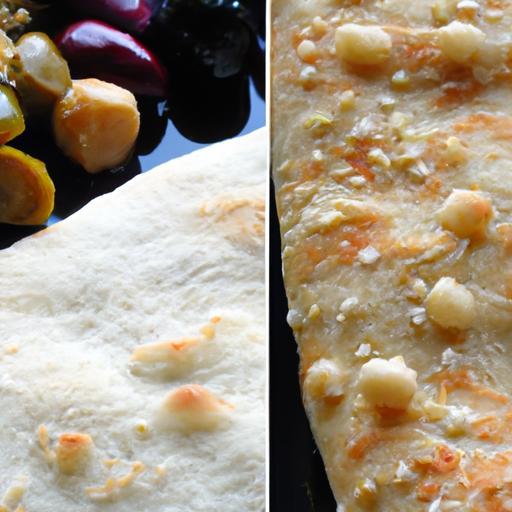
Be sure to use abundant olive oil,both in the batter and coating the pan,which not only enhances flavor but also promotes crispness.Bake the fainá for 20-25 minutes without opening the oven, then broil for 2-3 minutes to achieve a signature golden-brown top.Let rest for a few minutes before slicing-it will firm up beautifully and develop a superb mouthfeel.
Serving Suggestions and Flavor Pairings to Complement Your Chickpea Flatbread
Fainá is incredibly versatile and can elevate everything from casual gatherings to elegant tapas. Serve alongside a fresh, vibrant mixed green salad with lemon vinaigrette for a light meal, or as a perfect companion to a slice of cheesy Argentine pizza-tradition dictates placing the fainá slice on top of pizza for a sumptuous “pizza a caballo.”
garnish with freshly cracked black pepper, a drizzle of extra-virgin olive oil, and an herb medley like rosemary or thyme for aromatic complexity. For a sophisticated twist, top with caramelized onions, sautéed mushrooms, or even a dollop of tangy labneh. These additions enrich the chickpea flatbread’s flavor, turning it into a star centerpiece you’ll return to time after time.
Prep and Cook Time
- Prep Time: 10 minutes (plus 4-12 hours resting)
- Cook time: 25-28 minutes
Yield
- Serves 4-6 as a snack or appetizer
Difficulty Level
- Easy to medium
ingredients
- 1 cup chickpea flour, sifted
- 3 cups water, preferably filtered
- 1/4 cup extra-virgin olive oil, plus more for pan
- 1 teaspoon fine sea salt
- Freshly ground black pepper, to taste
- Optional: fresh rosemary or thyme for garnish
Instructions
- In a large bowl, whisk together chickpea flour and water until smooth and free of lumps. stir in salt and olive oil.
- Cover the mixture and refrigerate for at least 4 hours or overnight. this resting period is essential to hydrate the batter and develop flavor.
- About 30 minutes before baking, preheat your oven to 220°C (425°F) with a cast-iron or heavy metal pan inside to heat.
- Once preheated, remove the pan carefully and add a generous layer of olive oil, swirling to coat the bottom and sides.
- Pour the batter into the hot oiled pan-it should sizzle gently upon contact.
- Place the pan back in the oven and bake for 20-25 minutes,or until the surface is set and golden.
- For a final crisp touch, broil the fainá for 2-3 minutes, watching closely to prevent burning.
- Remove from oven and let rest for 5 minutes before slicing. Sprinkle with black pepper and fresh herbs as desired.
Tips for Success
- Use fresh chickpea flour stored in an airtight container to avoid bitterness.
- resting the batter overnight improves texture and flavor-don’t rush this step.
- Ensure the pan is blazing hot before adding batter to create a beautifully crispy crust.
- If preferred, swap olive oil for avocado oil for a neutral taste but keep the quantity for crispness.
- To store, cool wholly then cover and refrigerate for up to 3 days. Reheat in a hot oven to refresh the crisp edges.
Serving Suggestions
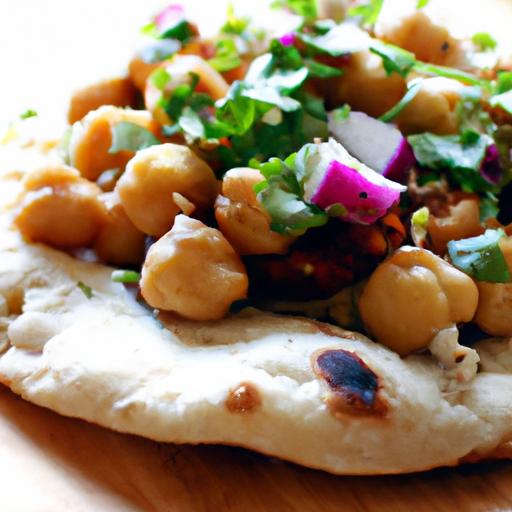
Cut fainá into wedges or squares and serve warm. Pair it with classic Argentine pizza for an authentic experience or accompany a Mediterranean mezze platter. For a light starter, top slices with whipped goat cheese, roasted red peppers, and a sprinkle of za’atar.
| Nutrition (per serving) | Amount |
|---|---|
| Calories | 170 |
| Protein | 6g |
| Carbohydrates | 22g |
| Fat | 7g |

For more historical and scientific insights on chickpeas and their culinary uses, visit The world’s Healthiest Foods.
Q&A
Q&A: Fainá unveiled – The Ultimate Chickpea Flatbread Recipe Guide
Q1: What exactly is Fainá?
A1: Fainá is a thin, savory flatbread made primarily from chickpea flour, water, olive oil, and a pinch of salt.Hailing from Ligurian cuisine but beloved especially in argentina and Uruguay, it boasts a crispy exterior and tender interior-a simple delight packed with earthy, nutty flavors.
Q2: Why chickpea flour? What makes it special in Fainá?
A2: Chickpea flour is the star ingredient because it gives Fainá its signature texture and taste. It’s naturally gluten-free, protein-rich, and offers a subtle, nutty flavor that’s deeper and more complex than typical wheat-based breads. The flour’s density helps create that perfect,firm yet delicate flatbread.
Q3: How is Fainá traditionally served?
A3: Traditionally, Fainá is served hot, often sliced into wedges as a perfect companion to pizza. In Buenos Aires and Montevideo, locals love layering a piece of Fainá atop a pizza slice-this combo is called “Fainá con Pizza.” It’s also enjoyed on its own, drizzled lightly with olive oil or sprinkled with fresh herbs.
Q4: What’s the secret to making the perfect Fainá at home?
A4: The magic lies in the batter consistency and the cooking method. achieving a smooth, lump-free batter and giving it enough resting time allows the chickpea flour to absorb water fully. Pour the batter into a generously oiled pan and bake at a high temperature for a golden, crispy crust. Use a cast-iron or non-stick pan for best results.
Q5: Can I get creative with Fainá?
A5: Absolutely! While the traditional recipe is deliciously simple, Fainá is a versatile canvas. feel free to mix in herbs like rosemary or thyme, sprinkle black pepper or chili flakes, or top with caramelized onions and olives.For a twist, some even experiment with adding grated cheese or garlic to the batter.
Q6: Is Fainá nutritious?
A6: Yes! Thanks to chickpeas, Fainá is high in protein, fiber, and essential minerals like iron and magnesium. It’s naturally vegan and gluten-free, making it a wholesome option for diverse diets.
Q7: How long does Fainá keep, and how should I store it?
A7: Fainá is best enjoyed fresh and warm, but leftovers can be stored in an airtight container in the refrigerator for up to 3 days.Reheat gently in an oven or skillet to revive its crispness. It can also be frozen for longer storage-just thaw and reheat before serving.
Q8: Any tips for pairing Fainá beyond pizza?
A8: Definitely! Try Fainá as a side with salads, grilled vegetables, or Mediterranean dips like hummus and baba ghanoush. its subtle flavor makes it a perfect vehicle for vibrant accompaniments or a light snack on its own with a splash of lemon juice.
Q9: Where can I find chickpea flour for making Fainá?
A9: Chickpea flour is widely available in health food stores, specialty grocers, and well-stocked supermarkets. It’s sometimes labeled as “besan” or “gram flour” in Indian markets. Opt for a finely ground variety for the best texture.
Q10: Can I make Fainá without an oven?
A10: While baking is traditional and ensures even cooking and crispness, you can make a version on a stovetop using a non-stick skillet over medium heat. cook slowly with a lid to set the batter through, flipping carefully if needed. The texture will differ slightly but still delicious!
Embrace the simplicity and charm of chickpea flour with this ultimate Fainá guide-your ticket to mastering a Mediterranean legend that warms hearts and tables alike!
in Summary
As we close the chapter on our culinary journey through the world of fainá, one thing is clear: this humble chickpea flatbread is much more than a simple side dish. It’s a testament to tradition,a canvas for creativity,and a wholesome delight waiting to grace your table. Armed with our ultimate guide, you’re now ready to bring authentic fainá into your kitchen-crisp at the edges, tender in the middle, and bursting with the nutty richness of chickpeas. So go ahead, embrace this ancient recipe with a modern twist, and let every bite tell a story of culture, flavor, and comfort. Your perfect fainá awaits-bake it, savor it, share it.