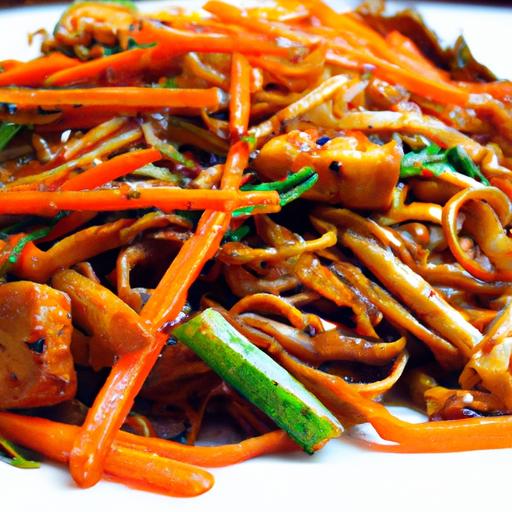

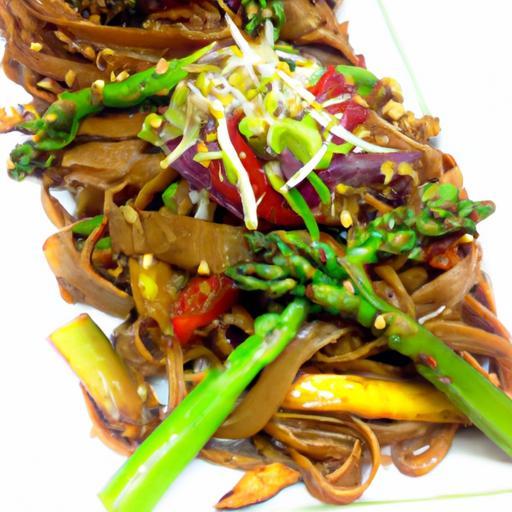
In the vibrant tapestry of Southeast Asian cuisine, Char Kway Teow stands out as a beloved street food classic-itS smoky, savory noodles sizzling with bold flavors and succulent ingredients. Traditionally a hearty dish featuring seafood, eggs, and wok-fired flat rice noodles, Char Kway Teow has now taken a deliciously innovative turn. Enter the world of vegan Char Kway Teow: where plant-based ingredients meet culinary creativity, delivering all the zest and satisfaction of the original, without compromising on taste or texture. This flavorful flat noodle treat reimagines a cultural favorite, proving that vegan comfort food can be just as indulgent, aromatic, and utterly irresistible. join us as we explore the delightful fusion of tradition and innovation in this vegan rendition of Char Kway Teow.
Delicious Vegan Char Kway Teow: A Flavorful Flat Noodle Treat invites you on a culinary journey to capture the essence of southeast Asia’s iconic street food – reimagined entirely plant-based. This beloved noodle dish is known for its smoky wok hei aroma, vibrant textures, and a perfect harmony of savory, spicy, and slightly sweet notes. Creating this vegan masterpiece at home not only brings wholesome goodness to your plate but also showcases the unbelievable versatility of ingredients that breathe life into every bite.
prep and Cook Time
- Preparation: 15 minutes
- Cooking: 10 minutes
- Total Time: 25 minutes
Yield
Serves 3 to 4 hungry food lovers
Difficulty level
Medium – ideal for anyone pleasant with quick stir-frying techniques and layering bold flavors
Key Ingredients That Bring Plant-Based Char Kway Teow to Life
- Flat rice noodles (kway teow): The soul of the dish, these silky sheets of rice noodle soak up sauces beautifully.
- Firm tofu: Perfectly cubed and marinated, tofu provides protein while absorbing smoky flavors.
- Shiitake mushrooms: impart an earthy umami depth, creating heartiness akin to traditional seafood or meat.
- Garlic and shallots: Aromatic foundations that ignite the wok and boost flavor complexity.
- Soy sauce and dark soy sauce: The duo that balances saltiness with a caramelized sweetness, developing the classic charred color.
- Chili paste: Adds a perfect punch of heat without overpowering the palette.
- Bean sprouts and chives: Fresh and crunchy, they elevate texture and add vibrant green hues.
- Vegetable oil with high smoke point: Essential for achieving that superior “wok hei” or “breath of the wok.”
Step-by-Step Guide to Crafting the Perfect Vegan Flat noodles
- Prepare the noodles: If using fresh flat rice noodles, gently separate them to prevent clumping.For dried versions, soak them in warm water for 20 minutes until pliable, then drain well.
- Marinate the tofu: Toss firm tofu cubes in a mix of light soy sauce,a dash of sesame oil,and minced garlic. Let sit for 10 minutes to soak in flavor.
- Heat your wok: place a large wok over high heat and add a tablespoon of vegetable oil. When shimmering, add garlic and shallots; sauté until fragrant and lightly golden (about 1-2 minutes).
- Cook the tofu and mushrooms: Add marinated tofu and sliced shiitake mushrooms. Stir-fry until tofu edges turn golden brown and mushrooms soften, around 3-4 minutes.
- Add the noodles: Toss in the prepped flat noodles and stir vigorously to combine, coating each strand with aromatic oils and soy sauce.
- Season with sauces: Pour in a blend of light and dark soy sauce alongside chili paste. Stir-fry quickly to distribute color and flavor evenly, about 2 minutes.
- incorporate fresh elements: Fold in bean sprouts and chopped chives last to retain their crunch and shining flavor. Stir for an additional 30 seconds.
- Finish with wok hei: Turn up the heat briefly while tossing briskly, encouraging the signature smoky flare that defines excellent Char kway Teow.
- Serve immediatly: Transfer to warm plates to preserve texture and aroma at their peak.
Top Tips and Tricks for Elevating Your Vegan Char Kway Teow experience
- Use fresh noodles: Whenever possible, fresh flat rice noodles deliver the best texture – smooth, tender yet with a slight bite.
- High heat is critical: Wok hei comes from ultra-hot oil searing ingredients fast; preheat your wok properly before adding anything.
- Don’t overcrowd your pan: Stir-fry in batches if needed to keep the noodles moving freely for even cooking.
- Add a splash of plant-based oyster sauce or mushroom sauce for an umami boost without compromising vegan integrity.
- Customize heat levels: Adjust chili paste according to your preference; sliced fresh chilies can also add layered spice.
- Tofu texture matters: For added chewiness, press your tofu beforehand or lightly pan-fry before marinating.
- make ahead: Prep all ingredients ahead of time. Stir-frying is quick, so everything must be ready at the stove.
Ingredients
- 250g fresh flat rice noodles (kway teow)
- 150g firm tofu, pressed and cubed
- 100g fresh shiitake mushrooms, sliced
- 3 cloves garlic, minced
- 2 shallots, thinly sliced
- 2 tbsp light soy sauce
- 1 tbsp dark soy sauce
- 1 tbsp chili paste (adjust to taste)
- 2 cups bean sprouts, rinsed
- 1/2 cup chopped fresh chives
- 2 tbsp vegetable oil (e.g., canola or sunflower)
- 1 tsp toasted sesame oil (optional)
Instructions
- Soak the fresh flat rice noodles in warm water if slightly dry, then drain and set aside.
- Marinate cubed tofu with 1 tablespoon light soy sauce,sesame oil,and half the minced garlic for 10 minutes.
- Heat a wok over high heat and add vegetable oil. Once hot, add garlic and shallots; sauté until golden and aromatic.
- Stir-fry marinated tofu and shiitake mushrooms for 4 minutes until tofu is crisp on edges and mushrooms are tender.
- Add noodles; pour over remaining light soy sauce, dark soy sauce, and chili paste. Toss to coat thoroughly.
- Quickly add bean sprouts and chives; stir-fry for 30 seconds.
- Boost heat briefly for wok hei effect, tossing constantly; remove promptly to avoid overcooking.
- Plate immediately, garnish with extra chives or fried shallots if desired, and serve hot.
Chef’s Notes
- Alternative proteins: Swap tofu with tempeh or seitan for different textures.
- Mushroom tips: Oyster mushrooms work beautifully if shiitakes aren’t available.
- Oil choice: Use oils with a high smoke point to avoid bitterness from burnt oil.
- Wok hei shortcut: Add a small splash of sake or rice wine near the end of frying to lift smoky flavors.
- Make it gluten-free: Substitute soy sauces with tamari or coconut aminos.
Serving Suggestions
Present this vibrant Vegan Char Kway Teow in wide, shallow bowls to showcase the glossy noodles. Sprinkle with freshly chopped chives, lightly toasted sesame seeds, and a wedge of lime for brightness. Pair with a refreshing Asian cucumber salad or a crisp coconut iced tea to balance the richness. For that authentic street-food feel, serve with sliced fresh red chilies on the side.

Nutritional Information (per serving)
| Calories | Protein | Carbohydrates | Fat |
|---|---|---|---|
| 320 kcal | 15 g | 45 g | 7 g |
For more flavorful vegan Asian recipes, check out our collection of vegan stir-fry ideas. Explore the depth of umami with this Britannica article on Char Kway Teow for authentic context and history.
Q&A
Q&A: Delicious Vegan Char Kway Teow – A Flavorful Flat Noodle Treat
Q1: What exactly is Char Kway Teow?
A1: Char Kway Teow is a beloved Southeast Asian stir-fried noodle dish known for its smoky aroma, rich flavors, and satisfying textures. Traditionally made with flat rice noodles, shrimp, Chinese sausage, eggs, and bean sprouts, it’s a street food staple especially popular in Malaysia and Singapore.
Q2: How can Char Kway Teow be made vegan without losing its essence?
A2: The magic lies in clever substitutions! Replace shrimp with marinated king oyster mushrooms or tofu for that satisfying bite. Skip the eggs and Chinese sausage, and instead, boost umami by using smoky soy sauce, fermented black beans, and a hint of toasted sesame oil. Stir-frying everything on high heat ensures that signature “wok hei” fragrance – the smoky breath of the wok.
Q3: What ingredients give vegan Char Kway Teow its signature flavor?
A3: Key players include flat rice noodles, garlic, chives, bean sprouts, and a mix of sauces like light soy sauce, dark soy sauce, and sometimes a touch of chili paste. Adding toasted nuts or crispy shallots elevates the texture, while mushrooms impart a savory meatiness. Balancing sweet, salty, spicy, and smoky tastes is crucial for that crave-worthy result.
Q4: is it difficult to replicate the “wok hei” flavor at home?
A4: It can be tricky, but not unfeasible! The secret is vrey high heat and a quick, decisive stir-fry. A well-seasoned cast iron or carbon steel wok comes in handy. Avoid overcrowding the pan, and prep all ingredients before hitting the heat.If you don’t have a wok, a large heavy skillet can do the job with some extra care.
Q5: Can this vegan version satisfy traditional Char kway Teow lovers?
A5: Absolutely! While it’s a plant-based rendition, the layers of flavor and texture offer a wonderfully authentic experience. The smoky, savory notes combined with fresh veggies and chewy noodles make it a hearty, delicious alternative that can win over even die-hard fans.
Q6: Any tips for serving and pairing this vegan Char Kway Teow?
A6: Serve it hot straight from the pan, garnished with fresh lime wedges and crunchy fried shallots.A side of tangy pickled vegetables or a fresh cucumber salad complements the dish’s richness. For drinks, jasmine tea or a refreshing iced calamansi soda pairs beautifully.
Q7: Why try this vegan version of Char Kway Teow?
A7: It’s a fantastic way to enjoy a classic comfort food with a plant-based twist – good for your health, the planet, and your taste buds! Plus, it opens up the flavors of a traditional Southeast Asian favorite to vegans, vegetarians, and curious foodies alike.
Dive in and savor every bite of this delicious vegan Char Kway Teow – a flat noodle treat that’s bursting with bold flavors and heartfelt tradition!
Insights and conclusions
In the vibrant world of Southeast Asian cuisine, this delicious vegan Char Kway Teow stands out as a celebration of flavor, texture, and mindful eating. By embracing plant-based ingredients without sacrificing the smoky, savory notes that make this dish iconic, it invites both longtime fans and curious newcomers to savor a fresh twist on a beloved classic. Whether you’re a seasoned vegan or simply seeking a tasty noodle treat, this flavorful flat noodle dish proves that compassionate cooking can be just as indulgent and satisfying. So next time you crave a hearty, aromatic meal, dive into a plate of vegan Char Kway Teow-and let each bite tell the story of tradition reimagined with kindness.