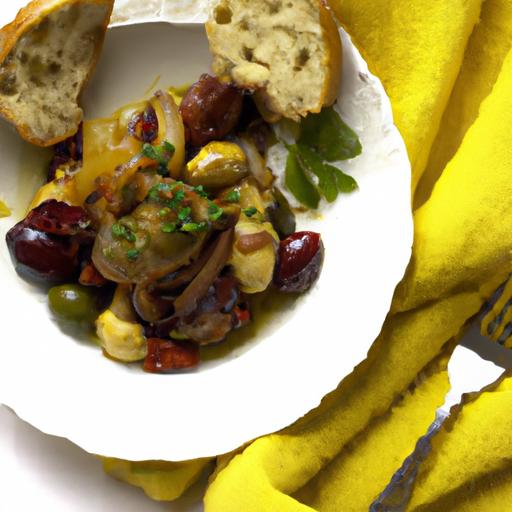

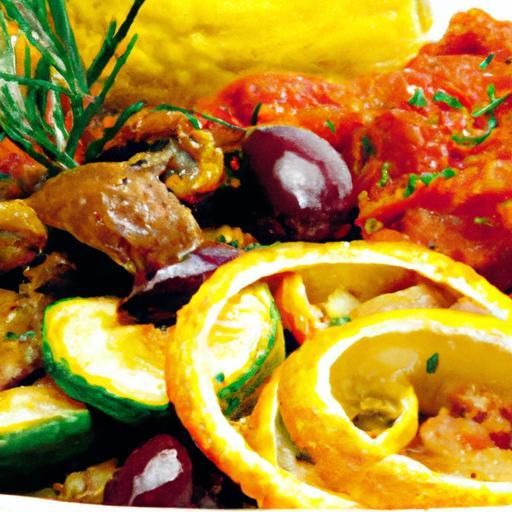
Nestled within the vibrant culinary tapestry of Sicily lies a dish that’s as rich in history as it is in flavor: caponata. This humble medley of eggplants, tomatoes, olives, and capers dances on the palate with a perfect harmony of sweet, sour, and savory notes-an edible testament to the island’s diverse cultural influences. In “Caponata Uncovered: A Flavorful Sicilian Recipe Guide,” we embark on a tasty journey to unravel the secrets behind this beloved Sicilian classic.Whether you’re a seasoned cook or a curious food lover, prepare to dive into the colorful world of caponata, exploring its traditional roots, regional variations, and step-by-step recipes that bring a taste of the Mediterranean straight to your kitchen.
Origins and traditions behind Sicilian Caponata
Caponata uncovered reveals a vibrant tapestry of Mediterranean history, culture, and culinary artistry all in one dish. This beloved Sicilian vegetable stew traces its roots back centuries, blending influences from Arab, Spanish, and italian cuisines, reflecting Sicily’s unique position as a cultural crossroads. Traditionally served as a warm or room-temperature appetizer, caponata balances sweet, sour, and savory notes, a testament to the island’s abundant produce and penchant for complex flavor layering. I vividly remember my first taste of authentic caponata during a summer trip to Palermo-its rich medley of tender eggplant, tangy olives, and the subtle crunch of pine nuts instantly captured my heart.
Historically, caponata was a humble farmer’s dish, designed to utilize fresh vegetables at the peak of their season while preserving them in a sweetened vinegar sauce to extend their shelf life. over time, it transformed into a celebrated classic served in Sicilian households and restaurants alike, symbolizing the warmth and generosity of the island’s culinary traditions.
Prep and Cook Time
- Readiness: 20 minutes
- Cook Time: 40 minutes
- Total Time: 1 hour
yield
Serves 6 as an appetizer or side dish.
Difficulty Level
Medium-perfect for cooks ready to elevate their vegetable game with classic Mediterranean flavors.
Key Ingredients That Define Authentic Flavor
- 2 large eggplants, peeled and diced into 1-inch cubes
- 4 ripe tomatoes, peeled and chopped or 1 cup canned crushed tomatoes
- 1 large onion, finely chopped
- 3 celery stalks, sliced thin
- 1/2 cup green olives, pitted and sliced
- 3 tbsp capers, rinsed
- 1/4 cup red wine vinegar
- 2 tbsp sugar
- 1/4 cup pine nuts, toasted
- Fresh basil leaves and flat-leaf parsley for garnish
- Extra virgin olive oil for frying and dressing
- Salt and freshly ground black pepper, to taste
Step-by-Step Guide to Perfecting Your Caponata
- Prepare the eggplant: Sprinkle the diced eggplant with salt and let it sit in a colander for 30 minutes to draw out bitterness and excess moisture. Rinse and pat dry thoroughly with paper towels.
- Fry the eggplant: Heat a generous 1/4 cup of extra virgin olive oil in a large skillet over medium heat. Add eggplant cubes in batches and fry until golden brown and tender, about 5-7 minutes per batch.Drain on paper towels to remove excess oil.
- Sauté the aromatics: In a clean pan, heat 2 tbsp olive oil. Add chopped onions and celery; sauté gently until translucent and softened, approximately 8 minutes.
- Add the tomatoes and simmer: Stir in the fresh tomatoes (or canned crushed),season with salt,and cook until the sauce thickens,about 10 minutes.
- Combine flavors: Add the fried eggplant, olives, and capers to the tomato mixture. Stir to combine evenly and cook for another 5 minutes to marry flavors.
- Create the sweet-and-sour glaze: In a small bowl,dissolve sugar in red wine vinegar. Pour over the vegetables, stirring gently. simmer uncovered for 10-12 minutes,allowing the sauce to reduce slightly.
- Final touch: fold toasted pine nuts into the caponata and check seasoning-adjust salt and pepper as needed. Remove from heat and let cool to room temperature; flavors deepen beautifully when chilled overnight.
Chef’s Notes: Tips for Success
- Eggplant care: Removing moisture is key to preventing soggy caponata. Patting dry thoroughly after salting keeps textures crisp.
- Olive options: Use briny green olives for an authentic punch,or experiment with Castelvetrano olives for a milder tone.
- Make ahead: Caponata benefits from resting at least 12 hours in the fridge, melding that signature sweet, tangy harmony.
- Optional add-ins: Some Sicilians add raisins or pine nuts for contrast-feel free to customize according to your palate.
- Vinegar swap: For a slightly diffrent nuance, try using aged balsamic vinegar instead of red wine vinegar.
Serving Suggestions and Pairing Tips for Every Occasion
Caponata shines when served as a vibrant antipasto on crusty rustic bread or grilled crostini, drizzled with extra virgin olive oil and garnished with fresh basil. It’s equally delightful as a side dish alongside grilled seafood, roasted chicken, or hearty Italian sausages.
For casual family dinners, spoon caponata over creamy polenta or toss it with short pasta, finishing with a sprinkle of Parmigiano-Reggiano for a comforting embrace.
At festive gatherings, present it in a colorful ceramic bowl accompanied by marinated artichokes and Sicilian olives for an eye-catching antipasti spread. A chilled Sicilian white wine like Grillo or Inzolia complements the sweet-sour brightness splendidly, while a bottle of Nero d’Avola complements meaty pairings.
Remember, caponata isn’t just a dish-it’s an invitation to savor Sicily’s sun-soaked bounty and centuries of flavor tradition.
| Nutrition | Per Serving |
|---|---|
| Calories | 180 kcal |
| Protein | 3 g |
| Carbohydrates | 20 g |
| Fat | 10 g |

For more Mediterranean vegetable inspiration, check out our Authentic Eggplant Parmesan Recipe. To deepen your understanding of the rich history behind Sicilian cuisine,visit Britannica’s Sicilian Cuisine Guide.
Q&A
Q&A: Caponata Uncovered – A Flavorful Sicilian Recipe Guide
Q1: What exactly is caponata?
A1: Caponata is a traditional Sicilian dish that dances on the palate with a vibrant medley of sweet, sour, and savory notes. At its heart, it’s a cooked vegetable salad featuring eggplant, tomatoes, celery, olives, and capers, all lovingly simmered in a tangy agrodolce (sweet and sour) sauce. it’s Sicily in a bowl-rustic, rich, and bursting with Mediterranean sunshine.
Q2: Where dose Caponata come from?
A2: Born from the bustling kitchens of Sicily, caponata reflects the island’s history and cultural melting pot. Influenced by Arab, Spanish, and Italian culinary traditions, this dish mirrors the complexity of the island’s past, blending flavors in perfect harmony. It’s been savored by generations as a hearty appetizer, side dish, or even a main course.
Q3: what makes Caponata different from other eggplant dishes?
A3: Unlike simple roasted or fried eggplant dishes, Caponata is a symphony of textures and flavors. its definitive feature is the agrodolce sauce, which is a balance of vinegar’s sharpness with sugar’s sweetness-giving the vegetables a lively tang. The addition of salty capers, briny olives, and crunchy celery sets it apart, turning humble ingredients into something remarkable.
Q4: Is Caponata served hot or cold?
A4: One of Caponata’s charms is its versatility. Traditionally, it’s served at room temperature or chilled, allowing the flavors to meld beautifully. This makes it an ideal make-ahead dish, perfect for summer gatherings or as a refreshing complement to grilled meats and seafood.
Q5: Can Caponata be customized or adapted?
A5: Absolutely! While the classic recipe calls for eggplant,tomatoes,celery,olives,capers,vinegar,and sugar,cooks everywhere infuse their own twist. Some add pine nuts for crunch, raisins for extra sweetness, or even bell peppers for color. the beauty of Caponata lies in its adaptability-each family and chef brings a personal signature to it.
Q6: How should Caponata be enjoyed?
A6: Serve it spread on crusty bread as an antipasto, alongside grilled fish or roasted meats, or even atop pasta. It’s also a wonderful palate cleanser and pairs wonderfully with a chilled Sicilian white wine like Grillo or Inzolia. Eating Caponata is like taking a mini-vacation to the sun-drenched coasts of Sicily-a sensory escape in every bite.
Q7: What’s the best way to prepare authentic Caponata?
A7: The secret to authentic Caponata lies in patience and balance. Start by salting and draining the eggplant to remove bitterness, then fry or sauté it until tender. Combine with sautéed celery, onions, olives, and capers. The agrodolce sauce-made with a careful blend of vinegar and sugar-is gently simmered with the vegetables until luscious and well-coated. Let it rest so the flavors marry before serving.
Q8: Can Caponata be stored, and does it get better over time?
A8: Yes! Caponata actually improves after a day or two in the fridge, as the flavors deepen and harmonize. Stored in an airtight container, it can last up to a week, making it a fantastic make-ahead dish for busy cooks who want a taste of Sicily anytime.
Q9: Are ther any health benefits to Caponata?
A9: Definitely. Loaded with nutrient-rich vegetables like eggplant and celery, along with heart-healthy olive oil, Caponata is a wholesome, antioxidant-packed dish. Its plant-based profile makes it naturally vegan and gluten-free, perfect for health-conscious food lovers seeking full flavor without compromise.
Q10: Why should someone try making Caponata at home?
A10: Making Caponata at home invites you to slow down and savor the artistry of Sicilian cooking. It’s a beautiful way to connect with Mediterranean traditions, experiment with flavors, and enjoy a dish that’s as comforting as it is exciting. Plus, it’s incredibly rewarding to turn simple ingredients into a dazzling rustic masterpiece bursting with history and taste. Give yourself the gift of Sicily’s soul in your own kitchen!
To Conclude
As we close the chapter on our exploration of caponata, one thing is clear: this Sicilian treasure is far more than just a dish-it’s a vibrant tapestry of history, culture, and flavor. From the tangy balance of eggplant and tomatoes to the sweet whisper of raisins and the briny crunch of capers, every bite tells a story of the Mediterranean sun and the island’s rich culinary heritage. Whether you’re a seasoned cook or a curious foodie,embracing caponata opens a doorway to Sicilian tradition and creativity. So gather your ingredients, let your palate roam, and uncover the magic of caponata in your own kitchen-because some flavors are worth discovering again and again.