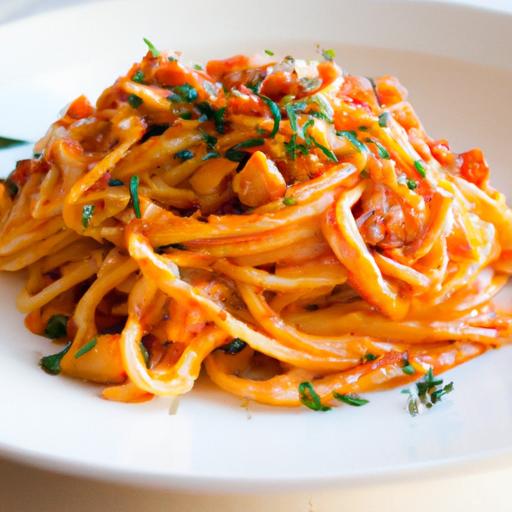

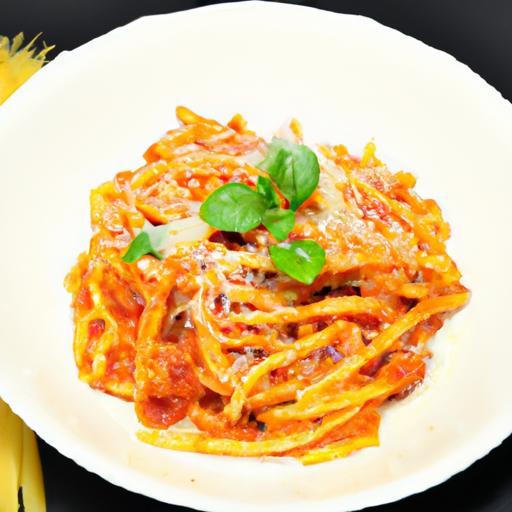
In the heart of Roman cuisine lies a dish that captures the essence of Italy’s culinary soul: Bucatini all’Amatriciana. This classic pasta recipe, with its rich history and bold flavors, invites food lovers to savor the perfect harmony of tangy tomatoes, crispy guanciale, and sharp Pecorino Romano cheese, all twirled around bucatini’s signature hollow strands. More than just a meal, bucatini all’Amatriciana is a flavorful journey through tradition-one that tells tales of rustic villages, timeless ingredients, and the artistry of simplicity.Join us as we explore the origins, ingredients, and step-by-step secrets behind this iconic Roman pasta, ensuring your next dinner transports you straight to the bustling trattorias of italy’s capital.
Discovering the Roots of Bucatini all’Amatriciana
Bucatini all’Amatriciana is more than just a pasta dish; it’s a festivity of Roman culinary heritage. Originating from the town of Amatrice, this recipe combines simple ingredients to craft a bold and vibrant sauce that has stood the test of time. As a child,I remember the aroma of guanciale crisping gently in olive oil,mingling with the sweet tang of ripe tomatoes-the essence of Italy on a plate. This dish speaks to the soul of Roman cooking: rustic, straightforward, and deeply satisfying.
The history of this iconic sauce reflects a blend of pastoral tradition and Mediterranean bounty. Historically, guanciale (cured pork cheek) was a staple for shepherds, and ripe tomatoes became integral to Southern Italian cuisine after their introduction from the New World. Over time, Bucatini all’amatriciana evolved into a symbol of regional pride, bringing depth and nuance to any meal it graces.
Mastering the perfect Amatriciana Sauce: Ingredients and Techniques
to reach the pinnacle of flavor in your Bucatini all’Amatriciana,sourcing quality ingredients is paramount. the foundation is guanciale, whose luscious fat renders slowly to infuse the sauce with a rich, porky sweetness. Paired with the brightness of San Marzano tomatoes, pungent Pecorino Romano, and the gentle heat of red pepper flakes, the sauce hits all the right notes.
Start by gently rendering the guanciale over medium heat until crisp but still tender,releasing its flavorful fat. next, introduce just enough peeled tomatoes to create a silky, vibrant sauce. Simmer gently, allowing all elements to marry harmoniously. Finish with Pecorino Romano, which adds a salty, nutty complexity. Remember: balance is key-too much tomato or cheese can overpower the delicate smokiness of the guanciale.
Prep and Cook Time
- Preparation: 10 minutes
- Cooking: 25 minutes
- Total Time: 35 minutes
Yield
Serves 4 hearty portions
Difficulty Level
Intermediate (perfect for those comfortable with layering flavors but new to traditional Roman recipes)
Ingredients
- 400g (14oz) Bucatini pasta
- 150g (5oz) guanciale, sliced into ½-inch strips
- 400g (14oz) canned San Marzano peeled tomatoes, crushed by hand
- 50g (1¾ oz) Pecorino Romano cheese, finely grated
- 1 small red chili pepper or ½ teaspoon red chili flakes
- 2 tablespoons extra virgin olive oil
- Salt, to taste
- Freshly ground black pepper, to taste
Instructions
- Prepare the guanciale: In a large skillet, heat the olive oil over medium heat. Add the guanciale slices and sauté gently, stirring occasionally, until crisp and golden, about 5-7 minutes.The fat should render but avoid burning.
- Infuse heat: Add the chili pepper or red chili flakes to the guanciale and cook for an additional minute to release the spice.
- Add tomatoes: Stir in the crushed San Marzano tomatoes, lowering heat to a gentle simmer. Cook uncovered for about 15 minutes, stirring occasionally until the sauce thickens without becoming dry.
- Season: Taste and adjust salt carefully as guanciale and Pecorino are naturally salty. Add freshly ground black pepper.
- Cook the pasta: Meanwhile, bring a large pot of salted water to a boil. cook the bucatini until al dente, usually 2 minutes less than package instructions, reserving about 1 cup of pasta water.
- Combine: Drain the pasta and add it directly to the skillet with the Amatriciana sauce. Toss well, adding reserved pasta water little by little to achieve a glossy, perfectly coated sauce that clings to each hollow strand.
- Finish and serve: Remove from heat. Sprinkle the grated Pecorino Romano generously over the top and mix through quickly for a creamy texture. Serve instantly while warm.
Tips for Success
- For a truly authentic taste, seek guanciale rather than pancetta or bacon.Its unique texture and flavor define the dish.
- If San Marzano tomatoes aren’t available, choose whole peeled tomatoes packed in juice; crush them by hand to preserve a rustic consistency.
- Don’t overcook the pasta-bucatini’s hollow center offers a delightful bite when perfectly al dente.
- To make the sauce ahead, prepare it through step 3, store chilled, and reheat gently before tossing with freshly cooked pasta.
- Balance the heat according to your preference by adjusting chili flakes carefully to avoid overwhelming the flavor profile.
Serving Suggestions
Present your Bucatini all’Amatriciana simply but elegantly. A scattering of freshly grated Pecorino Romano on top, paired with cracked black pepper, elevates the rustic sauce. Serve with a crisp Roman-style green salad dressed in lemon and extra virgin olive oil to cleanse the palate. accompany this with a robust Italian red wine, such as a Sangiovese or Chianti, to complement the savory pork and tomato tang.
For an added touch of authenticity, serve in shallow pasta bowls that help gather the sauce around each strand, allowing every bite to deliver maximum flavor.
| Nutritional Data (per serving) | Amount |
|---|---|
| Calories | 580 kcal |
| Protein | 22g |
| Carbohydrates | 72g |
| Fat | 18g |

For more authentic Italian pasta recipes, explore our guide on Classic Carbonara. To understand the regional roots of Italian cured meats like guanciale, this Encyclopedia Britannica article offers excellent insights.
Q&A
Q&A: Bucatini all’Amatriciana – Classic Roman Pasta Recipe Guide
Q1: What exactly is Bucatini all’Amatriciana?
A1: Bucatini all’Amatriciana is a traditional Italian pasta dish hailing from the town of Amatrice in the Lazio region. It features bucatini-long,thick spaghetti-like noodles with a hollow center-enveloped in a luscious sauce made from guanciale (cured pork cheek),tomatoes,pecorino cheese,and a hint of chili pepper. It’s a celebration of rustic Roman flavors packed into every bite.
Q2: Why is guanciale important in this recipe? Can I substitute it?
A2: Guanciale is the star ingredient that imparts a rich, porky depth and silky fat that defines the authentic amatriciana sauce. It’s unlike pancetta or bacon as of its unique texture and flavor. While pancetta is a common substitute, purists argue it changes the dish’s character. For the truest taste, track down guanciale-it’s worth the hunt!
Q3: What makes bucatini the preferred pasta for Amatriciana?
A3: Bucatini’s hollow center is a genius design for Amatriciana sauce lovers.The sauce seeps inside the pasta holes, meaning every forkful delivers an ideal balance of pasta and sauce. Its slightly thicker body also holds up well against the robust, oily sauce without getting mushy-a perfect marriage of texture and taste.
Q4: Can I make Amatriciana without tomatoes? I’ve heard of a white version.
A4: The classic Amatriciana recipe is tomato-based, introduced in the 19th century when tomatoes became popular in Italian cuisine. Before tomatoes, there was the “Gricia,” considered the white precursor to Amatriciana, which uses guanciale, pecorino, and black pepper but no tomato.While Gricia is delicious,the vibrant sweetness of tomatoes is what gives Amatriciana its iconic character.
Q5: How do I achieve the perfect sauce consistency?
A5: Patience and technique are key. Start by slowly rendering the guanciale over medium heat until crispy and just releasing its fat. Add crushed or peeled tomatoes and simmer gently, allowing the flavors to meld and the sauce to thicken naturally. Resist the urge to add water or broth; the sauce should cling thickly to your pasta, creating that classic Amatriciana sheen.
Q6: What kind of pecorino cheese should I use?
A6: Pecorino Romano is the cheese of choice-sharp, salty, and tangy, it complements the pork and tomato perfectly. Grate it finely and add at the end, mixing quickly off the heat to prevent clumping. The cheese not only adds flavor but helps bind the sauce, giving it a silky texture.
Q7: Is Bucatini all’Amatriciana a quick meal to prepare?
A7: Absolutely! With just a handful of ingredients and straightforward steps, it can come together in about 30 minutes. It’s the kind of dish that feels homey and sophisticated at once-ideal for impressing guests or a cozy night in.
Q8: What wine pairs best with Bucatini all’Amatriciana?
A8: A medium-bodied Italian red with good acidity matches the richness and tang of the dish beautifully. Try a Frascati Superiore for a regional pairing or a Chianti Classico to balance the porky fats and sharp pecorino.
Q9: any tips for making this dish feel authentically Roman at home?
A9: Source quality ingredients-guanciale, ripe tomatoes, and aged Pecorino romano-because simplicity means every flavor counts. Use a large pan to render the meat and toss the pasta vigorously with your sauce to create harmony. And remember, a sprinkle of freshly cracked black pepper seals the deal.
Q10: Can I add other ingredients to make it more ”modern” or “personal”?
A10: While tradition reigns supreme, creativity is the soul of cooking. Some enjoy adding a touch of onion or garlic, though purists usually avoid them. Others experiment with fresh herbs or chili for heat. Just keep in mind that the magic of Amatriciana lies in its elegant simplicity-less is frequently enough more.
Key Takeaways
As you twirl your fork through the al dente strands of bucatini, coated richly in the smoky, tangy embrace of guanciale and pecorino, you’re not just savoring a meal-you’re tasting a story. Bucatini all’Amatriciana is more than a classic Roman pasta; it’s a vibrant thread woven through centuries of Italian tradition, bringing together simple ingredients in an unforgettable harmony. Whether you’re a seasoned home cook or a curious foodie, this recipe guides you straight into the heart of Lazio’s culinary heritage. So next time you crave a dish that’s both rustic and refined, remember: with Bucatini all’Amatriciana, every bite is a delicious journey to Rome itself. Buon appetito!