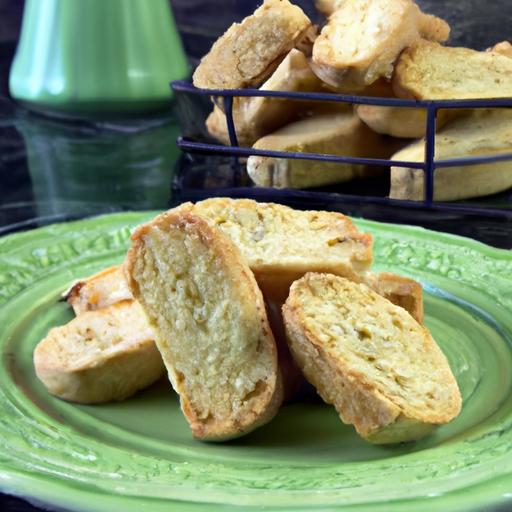

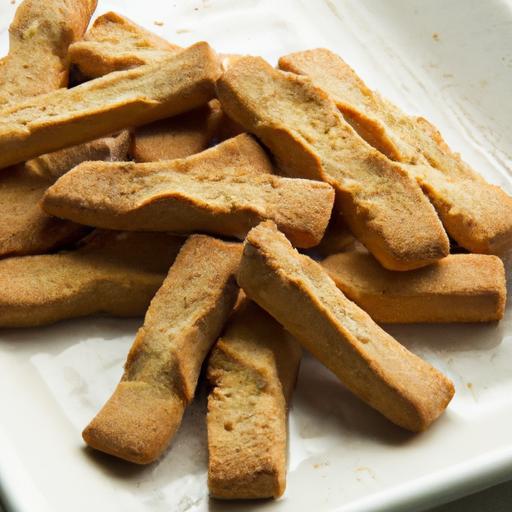
in the heart of Tuscany, were rolling hills cradle centuries-old traditions, a timeless treat has been delighting taste buds for generations: the Classic Biscotti di Prato. Known for their irresistible crunch and subtly sweet almond essence, these iconic Italian cookies are more than just a snack-they’re a ritual, a story baked into every bite. Whether enjoyed dipped in a robust cup of espresso or paired with a velvety glass of Vin Santo, Biscotti di Prato offer a perfect harmony of texture and flavor that has captivated palates worldwide. in this article,we’ll delve into the origins of this beloved delicacy and share an authentic recipe so you can bring a touch of Tuscany’s charm right to your kitchen.
Classic Biscotti di Prato: Crunchy Italian Treat Recipe is more than just a biscotti-it’s a timeless connection to Tuscan heritage, crafted to deliver that signature crisp bite and buttery almond aroma that has delighted generations. Originating in the quaint town of Prato, this twice-baked delight was traditionally made to last through long journeys and shared with close friends over a comforting cup of Vin Santo, Italy’s cherished dessert wine.
Prep and Cook Time
Planning: 20 minutes
Baking: 40 minutes
Total Time: 1 hour
Yield
Approximately 24 biscotti (serves 8)
Difficulty Level
Medium – requires patience for the twice-baking process
Ingredients
- 2 cups all-purpose flour, sifted
- 1 cup granulated sugar
- 3 large eggs
- 1 tsp baking powder
- 1/2 tsp pure vanilla extract
- 1/4 tsp salt
- 1 1/4 cups whole almonds, toasted and coarsely chopped
- Zest of 1 lemon (optional for a fresh citrus note)
instructions
- Preheat your oven to 350°F (175°C). Line a baking sheet with parchment paper.
- In a large bowl, whisk together the eggs and sugar until light and thickened, about 3 minutes. This creates the light texture that balances the signature crunch.
- Add the vanilla extract and lemon zest to the egg mixture, stirring to combine fragrant layers of flavor.
- In a separate bowl, combine the flour, baking powder, and salt. Gradually fold this dry mixture into the wet ingredients, mixing just until a stiff dough forms.
- Gently fold in the toasted almonds,</b ensuring they are evenly distributed but not broken into dust.
- Divide the dough in half. On a floured surface, shape each half into a log roughly 12 inches long and 2 inches wide. Transfer logs to the prepared baking sheet, spacing them 3 inches apart.
- Bake for 25-30 minutes or until golden and firm to the touch. Remove from oven and let cool for 10 minutes to set.
- reduce oven temperature to 275°F (135°C). Using a serrated knife, slice the logs diagonally into 1/2 inch thick slices. Stand the slices cut-side down on the baking sheet.
- Bake for an additional 10-15 minutes per side,</b turning once halfway through,until biscotti are crisp and golden-a key step to developing their iconic crunch.
- Remove from oven and transfer to a wire rack to cool wholly before storing.
Tips for Success
- ensure eggs and sugar are well-whisked. This aeration is the foundation of your biscotti’s light, crunchy texture.
- Do not overmix the dough once the flour is added; overworking can toughen the final biscotti.
- Customize your almonds. For a conventional touch, toast skin-on whole almonds; for a softer bite, blanch and chop them fine.
- Try flavor variations. Incorporate orange zest or a pinch of cinnamon for festive twists without sacrificing authenticity.
- Make-ahead friendly: Biscotti can be stored airtight for up to two weeks, perfect for gifting or fast snacks.
serving Suggestions
Serve your Classic Biscotti di Prato alongside a chilled glass of Vin Santo or dip into a steaming espresso. Garnish with a sprig of fresh rosemary or dust lightly with powdered sugar for an elegant presentation. For a modern twist, offer alongside mascarpone cream or dark chocolate ganache to elevate each bite.

| nutrient | Per Biscotto (Approx.) |
|---|---|
| Calories | 110 |
| Protein | 3g |
| Carbohydrates | 18g |
| Fat | 4g |
Intrigued by traditional Italian cookies? Explore our Tuscan Cantucci recipe for another bite of Italy’s rich baking heritage.
Q&A
Q&A: classic Biscotti di prato - The Crunchy Italian Treat Recipe
Q1: What are Biscotti di prato?
A: biscotti di Prato, also known simply as “cantucci,” are traditional Italian almond cookies hailing from the Tuscan town of Prato. They are famously twice-baked, resulting in a delightfully crunchy texture that’s perfect for dipping into a glass of vin santo or coffee.Q2: What sets Biscotti di Prato apart from other biscotti?
A: Unlike softer cookies, Biscotti di Prato are intentionally baked twice to achieve that iconic snap. Their unmistakable crunch combined with whole almonds creates a rustic elegance.They are additionally defined by their simple, wholesome ingredients and show-stopping golden hue.
Q3: What ingredients do you need to make classic Biscotti di Prato?
A: The magic lies in minimalism: flour, sugar, eggs, whole raw almonds (with skins on for authentic texture), a pinch of salt, and sometimes a hint of vanilla or anise seed. No butter or oil-the richness comes from eggs and nuts.
Q4: Can I substitute almonds with other nuts?
A: While almonds are traditional and lend that signature taste and texture, you can experiment with hazelnuts or pistachios for a twist. Just remember, changing nuts will alter the authentic flavor profile. For true Biscotti di Prato, stick to almonds.
Q5: Why is Biscotti di Prato twice-baked?
A: The first bake cooks the dough through and sets its shape. After slicing into individual cookies, the second bake dries them out, ensuring crunchiness and a longer shelf life. This technique is quintessential for that satisfying snap and perfect dunking texture.
Q6: How long should I bake the biscotti?
A: First,bake the log-shaped dough for about 25-30 minutes until firm and golden.Then, slice into 1/2 inch thick pieces and bake again for 10-15 minutes per side or until crisp and golden brown. Listen closely-the cookies ”tell” you they’re ready with a firm snap.
Q7: What’s the best way to enjoy Biscotti di Prato?
A: Traditionally, these cookies are savored dipped in vin santo, a sweet Tuscan dessert wine. Alternatively, dunk them into coffee or tea to soften slightly and release their nutty aroma. They also make a splendid gift or accompaniment to ice cream.
Q8: How should I store Biscotti di Prato to keep them crunchy?
A: Store in an airtight container at room temperature. properly dried biscotti can last for weeks, making them an ideal make-ahead treat. Avoid humid environments, as moisture softens their beloved crunch.
Q9: is Biscotti di Prato gluten-free or suitable for special diets?
A: Traditional recipes use wheat flour, so they’re not gluten-free. However, you can experiment with alternative flours, but be mindful it may change texture and flavor. Also,sence there’s no butter,they’re naturally dairy-free.
Q10: Can I add flavors beyond vanilla or anise?
A: Absolutely! Classic Biscotti di Prato is minimalist, but many bakers enhance dough with citrus zest (lemon or orange), cinnamon, or even chocolate chips for a modern spin. Just keep in mind, the signature almond crunch remains the star.
Q11: Why is Biscotti di Prato considered a symbol of Tuscan culinary heritage?
A: Beyond being a tasty cookie, Biscotti di Prato embodies the Tuscan philosophy of simplicity, quality ingredients, and tradition. Passed down through generations, it reflects the region’s history, culture, and love for sharing good food in good company.
Ready to bake your own crunchy slice of Tuscany? Keep this Q&A handy and enjoy every golden bite of Classic Biscotti di Prato!
Key Takeaways
As the warm aroma of toasted almonds fades and the last crunchy bite of your homemade Classic Biscotti di Prato disappears, your left with more than just a taste of Italy-you’ve captured a timeless tradition.These crisp, twice-baked delights are more than cookies; they’re a celebration of Italian heritage, perfect for dipping in coffee or savoring on their own. Whether enjoyed during a quiet afternoon or shared among friends, biscotti invite you to slow down, appreciate simplicity, and indulge in a little crunchy joy.So keep this recipe close, and let your kitchen become a small corner of Tuscany where every crunch tells a story. Buon appetito!