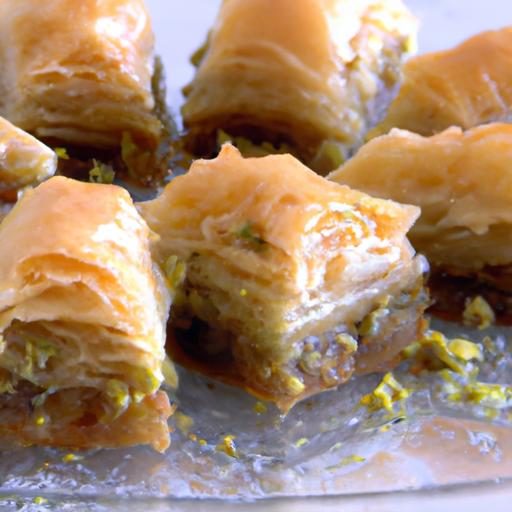

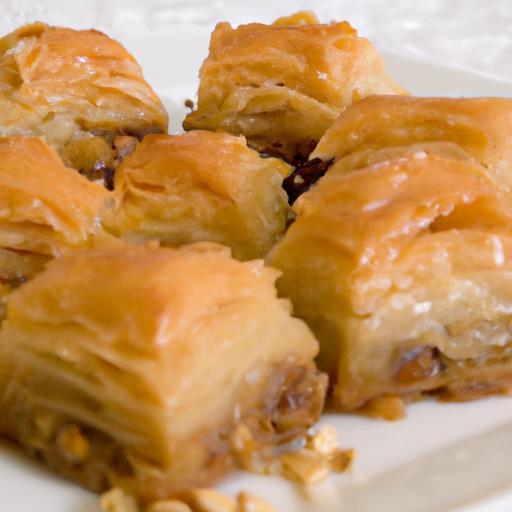
Nestled within the rich tapestry of Algerian cuisine lies a treasure that has delighted sweet lovers for generations-Algerian Baklawa. This exquisite pastry, with its golden layers of crisp filo dough, fragrant nuts, adn luscious honey syrup, is more than just a dessert; it’s a journey into the heart of tradition and culture. Steeped in history and crafted with meticulous care, Algerian Baklawa captures the essence of festivity, family gatherings, and timeless culinary artistry. Join us as we unwrap the secrets behind this beloved treat and explore how its unique flavors continue to enchant palates across Algeria and beyond.
Algerian Baklawa is a timeless treasure of North African desserts, weaving together layers of delicate pastry, crunchy nuts, and fragrant honey syrup. This traditional delight is more than a sweet treat-it’s a cultural symbol of celebration, family, and heritage. Passed down through generations, Algerian Baklawa captivates with its balance of crispy textures and rich flavors, making it a must-experience recipe for anyone eager to explore authentic Maghreb sweets.
Prep and Cook Time
- Readiness: 45 minutes
- Cooking: 30 minutes
- Total Time: 1 hour 15 minutes
Yield
Approximately 24 pieces,serving 8-10 people.
Difficulty Level
Medium – requires patience, but the layered assembly will reward your efforts beautifully.
Ingredients
- 500g fine phyllo pastry sheets, thawed if frozen
- 300g mixed nuts (almonds, walnuts, pistachios), finely chopped
- 200g unsalted butter, melted and cooled
- 1 cup sugar
- 1 cup water
- 1 tbsp lemon juice
- 1 tbsp orange blossom water
- 1 tsp cinnamon
- 1/2 tsp ground cloves
- Honey (optional, for drizzle)
Instructions
- Prepare the syrup: In a medium saucepan, combine sugar, water, and lemon juice. Bring to a boil, then reduce to a simmer and cook for 10 minutes until slightly thickened. Remove from heat, stir in orange blossom water, and set aside to cool.
- Toast the nuts: On a dry skillet over medium heat, lightly toast the chopped nuts for 3-5 minutes until aromatic. Stir frequently to prevent burning. Mix in cinnamon and ground cloves. Let cool.
- Preheat the oven to 180°C (350°F). Butter a 9×13-inch baking dish thoroughly to prevent sticking.
- Layer the phyllo: Place one sheet of phyllo pastry in the dish and brush generously with melted butter. Repeat layering 8 sheets total, brushing each sheet well.
- Add nut mixture: Evenly spread a thin layer of the spiced nut mixture over the last buttered phyllo sheet.
- Repeat layering: Continue layering and buttering 7-8 more phyllo sheets on top of the nuts.
- Cut the baklawa: Using a sharp knife,pre-cut the assembled baklawa into diamond or square shapes before baking. This helps create clean pieces and prevents breaking.
- Bake: Place in the oven and bake for 30 minutes or until golden and crisp.
- Add syrup: Remove baklawa from oven and promptly pour the cooled syrup evenly over the hot pastry. Allow it to absorb and cool completely at room temperature for at least 4 hours, preferably overnight.
- Optional honey drizzle: For extra richness, drizzle a little honey on top before serving.
Chef’s Notes: Tips for Success
- Phyllo Handling: Keep phyllo sheets covered with a damp towel to prevent drying out during assembly.
- Nut Variations: Mix and match nuts based on preference-pistachios add vibrant color, while almonds deliver mild sweetness.
- Butter Quality: Use unsalted, high-quality butter to avoid a greasy baklawa and to enhance flavor.
- Syrup Temperature: Pour room temperature syrup over hot baklawa for optimal absorption and texture contrast.
- Make-Ahead: Baklawa tastes best after resting for 24 hours; store in an airtight container at room temperature.
Serving Suggestions and Pairings for Festive Occasions
Algerian Baklawa shines on any festive table, notably during Eid, weddings, or family gatherings. Serve it alongside refreshing mint tea to balance the sweetness. Garnish with a sprinkle of crushed pistachios or edible rose petals for an elegant shine. For a modern twist, a dollop of lightly whipped cream or a small scoop of orange blossom ice cream creates a memorable contrast to the baklawa’s crisp layers and syrupy sweetness. Pairing with sparkling water or delicate floral teas also helps cleanse the palate and highlight the dessert’s intricate spices.
| Nutrient | Per Serving (1 piece) |
|---|---|
| Calories | 210 kcal |
| Protein | 4g |
| Carbohydrates | 25g |
| Fat | 11g |

For a deep dive into the cultural heritage of Algerian sweets, the Encyclopedia Britannica’s article on Baklava is a valuable resource.
Q&A
Q&A: Algerian Baklawa – A Sweet Journey into Traditional Delight
Q1: What makes Algerian Baklawa unique compared to othre versions of baklava?
A1: Algerian Baklawa stands out with its distinct blend of nuts-usually almonds,walnuts,and pistachios-enhanced by a delicate hint of orange blossom water.Unlike some other Middle Eastern versions that rely heavily on walnuts or pistachios alone, the Algerian variant embraces a rich nut medley, layered meticulously between ultra-thin sheets of pastry and drenched in fragrant honey syrup. This combination yields a crispy yet moist texture and a flavor that is both floral and nutty, embodying Algerian culinary artistry.
Q2: How is Algerian Baklawa traditionally prepared?
A2: The preparation of Algerian Baklawa is an art passed down through generations. It begins with careful selection and grinding of nuts, which are then mixed with sugar and a splash of orange blossom water for aromatic elegance. Ultra-thin sheets of pastry-phyllo or homemade dough-are brushed generously with melted butter, layered with the nut mixture, and stacked high. After baking to golden perfection, the baklawa is immediately soaked in warm honey infused with spices like cinnamon and clove, sealing in its luscious sweetness.
Q3: What cultural significance does Baklawa hold in Algeria?
A3: In Algeria, Baklawa is much more than a dessert-it’s a symbol of hospitality, celebration, and heritage. Frequently enough prepared during festive seasons such as ramadan, Eid, weddings, and family gatherings, serving Baklawa is a gesture of generosity and communal joy. The meticulous process of making it reflects a shared familial effort, nurturing bonds while honoring tradition.
Q4: Can I find Algerian baklawa outside Algeria,and how does it differ?
A4: While Baklawa is globally beloved,authentic Algerian Baklawa can be rarer outside its home country. Algerian diaspora communities have brought their recipes abroad, but often, commercial versions simplify the recipe or alter nut combinations. The Algerian baklawa’s hallmark is its delicate balance of nuts and floral notes, which may be missing in mass-produced varieties. For a true taste, sourcing from Algerian bakeries or learning the traditional method at home is the best path.
Q5: How can one enjoy Algerian Baklawa to the fullest?
A5: Algerian Baklawa is best savored slowly,perhaps paired with strong,sweet mint tea or a cup of bitter Algerian coffee. Because it’s rich and sweet, small pieces suffice to spark pleasure. Its layered crunch followed by syrupy softness is an invitation to linger on each bite-an edible story of Algerian warmth and sweetness that lingers long after the last crumb.
Closing remarks
As the final crumbs of Algerian Baklawa dissolve on the tongue, one realizes this is more than just a pastry-it is a vibrant slice of history, culture, and craftsmanship woven into each delicate layer. From the honeyed sweetness that dances with fragrant nuts to the meticulous folds of flaky pastry, Algerian Baklawa invites us to savor a tradition that has bridged generations. Embarking on this sweet journey not only delights the senses but also connects us to the rich tapestry of Algerian heritage, reminding us that sometimes, the most profound stories are told through the simplest of treats. Weather enjoyed during festive celebrations or quiet moments of indulgence, Baklawa continues to be a timeless emblem of sweetness and cultural pride.