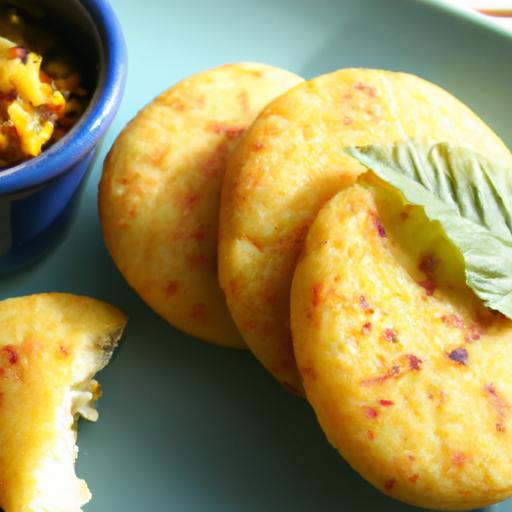

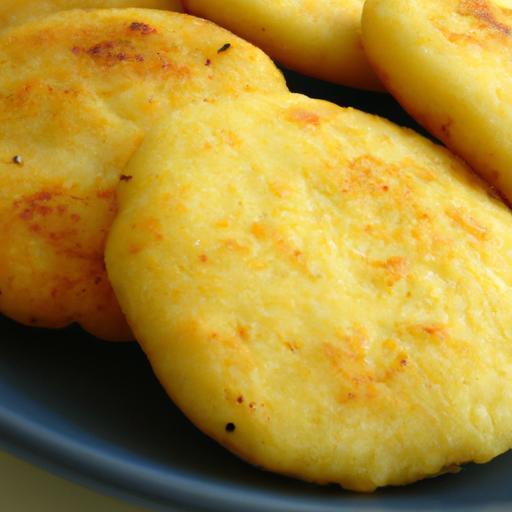
Golden, crispy on teh outside and soft, pillowy on the inside-arepas are more than just a simple cornmeal patty; they are a beloved staple that carries the rich culinary heritage of Venezuela and Colombia right onto your plate. whether enjoyed for breakfast, lunch, or dinner, thes delightful pockets of goodness offer endless possibilities for fillings and flavors.In this article, you’ll discover the secrets to making perfect arepas at home with ease, unlocking authentic textures and tastes that have been perfected over generations. Get ready to roll up your sleeves and bring a little warmth and tradition to your kitchen with a recipe that’s as approachable as it is delicious.
perfect Arepas Recipe: Authentic Cornmeal Patties Made Easy begins with an understanding of how choosing the right cornmeal sets the foundation for an unforgettable bite.Arepas, a beloved staple from Venezuela and Colombia, thrive on texture – balancing a soft, tender interior with a satisfyingly crisp crust. The journey from raw dough to golden perfection is an art as much as a science,inviting you to experiment,savor,and share.
Choosing the Right Cornmeal for Authentic Arepas
Not all cornmeal is created equal when it comes to crafting authentic arepas. The key is using precooked white or yellow cornmeal, frequently enough labeled as masarepa or harina de maíz precocida. This distinctive texture, finer and more absorbent than typical cornmeal, allows the dough to come together smoothly without clumps or grittiness. Brands like P.A.N.or Goya offer trusted options that guarantee a tender, fluffy crumb inside your arepas while creating that signature crust on the outside.
If you cannot find precooked cornmeal, avoid regular corn flour or coarse cornmeal, as these can result in dense or crumbly patties. Remember, hydration is essential, as this flour absorbs water rapidly and requires resting time to fully bloom.
Mastering the Dough Texture for Fluffy and Crispy Results
Ideal arepa dough should feel like soft modeling clay – firm but pliable.Start by combining warm water with a pinch of salt, and gradually incorporate the cornmeal. Stir vigorously to prevent lumps, then let the mixture rest covered for about 5 to 10 minutes.This resting period permits the flour to fully absorb the moisture, yielding a dough that holds together without cracking.
Adjust moisture carefully: a dough too wet will be sticky and difficult to shape, while too dry will crack during cooking. A smooth ball that doesn’t stick excessively to your fingers signals you’re ready to form your patties.
step-by-Step Cooking Techniques to Achieve Golden Perfection
- Preheat a heavy skillet or griddle over medium heat, adding a thin layer of vegetable oil or butter to provide flavor and crisp texture.
- Divide the dough into uniform balls (about 3¼ inches in diameter), then gently flatten them into discs about ½ inch thick.
- Place the discs onto the hot skillet. cook without moving for 5-7 minutes until the bottoms develop a golden-brown crust.
- Flip carefully using a flat spatula and cook the opposite side for another 5 minutes. The goal is golden and crispy outside with a soft, fluffy center.
- Finish cooking by reducing the heat to low and covering the skillet with a lid for 5 minutes. This step ensures the interior cooks evenly without drying out.
- Remove and rest the arepas briefly on a wire rack to maintain crispness.
Flavorful Filling Ideas That Elevate Your Arepas Experience
Arepas are the perfect canvas for bold and diverse fillings that transform each bite into a celebration of flavor. Consider these irresistible options:
- Shredded beef with avocado and queso fresco – tender and savory, balancing creaminess and tang.
- Black beans, sautéed peppers, and melted mozzarella – a vegetarian delight that’s wholesome and rich.
- Smoked ham and scrambled eggs – a satisfying breakfast twist.
- Grilled chicken with cilantro lime sauce – fresh and zesty for lighter fare.
- Fresh tomato, fresh mozzarella, and basil drizzled with olive oil – a Caprese-inspired option that’s fresh and vibrant.
Slice your arepas open gently with a serrated knife, stuff generously with your preferred fillings, and savor each warm, rustic bite.
Prep and Cook Time
- Readiness: 15 minutes
- resting Time: 10 minutes
- Cooking: 20 minutes
- Total Time: 45 minutes
Yield
makes 6 medium-sized arepas (serves 3-4)
Difficulty Level
Easy – perfect for home cooks looking to explore authentic Latin American cuisine!
Ingredients
- 2 cups precooked cornmeal (masarepa)
- 2 ¼ cups warm water
- 1 teaspoon fine sea salt
- 2 tablespoons vegetable oil or melted butter (plus extra for cooking)
Instructions
- In a large bowl, combine warm water and salt. Stir until the salt dissolves completely.
- Slowly add the precooked cornmeal to the water, stirring constantly with a wooden spoon or your hands to avoid lumps.
- Add the vegetable oil or melted butter and mix well until fully incorporated into a cohesive dough.
- Cover the dough with a clean kitchen towel and let it rest for 5 to 10 minutes. The dough should firm up and become malleable.
- Using lightly oiled hands, divide the dough into 6 equal portions. Shape each portion into a ball, then gently flatten into discs approximately ½ inch thick.
- Heat a skillet or griddle over medium heat and brush lightly with oil or butter.
- Place the arepas on the skillet and cook for 5-7 minutes, allowing a golden crust to form. Flip carefully and cook the other side another 5 minutes.
- Lower the heat and cover the pan. cook for an additional 5 minutes to ensure the inside is soft and cooked through.
- Remove arepas and transfer to a wire rack momentarily to preserve the crisp exterior.
- Split open the arepas with a serrated knife and fill with desired stuffing while warm. Serve promptly.
Tips for Success
- If dough is too dry and cracks, add water a tablespoon at a time until pliable.
- For extra crispy arepas, finish them in a hot oven (400°F/200°C) for 5 minutes after pan-frying.
- Use a cast-iron skillet or non-stick pan to achieve even browning.
- Make the dough ahead and refrigerate for up to 24 hours; bring to room temperature before shaping.
- Experiment with adding cheese directly into the dough for a delightful cheesy interior.
Serving Suggestions
Present your arepas with vibrant garnishes like chopped cilantro, sliced avocado, or a drizzle of spicy ají sauce for authentic flair. Pair with fresh salads, plantain chips, or zesty guacamole to elevate the meal. Perfect for breakfast, lunch, or casual dinner, these golden patties shine whether stuffed or enjoyed on their own.
| Nutrient | Per Arepa |
|---|---|
| Calories | 220 kcal |
| Protein | 4g |
| Carbohydrates | 44g |
| Fat | 5g |

Explore more Latin-inspired recipes like our Savory Empanadas Recipe or deepen your culinary skills with authentic techniques and trusted ingredients. For additional facts on cornmeal types and their uses, check the resources from Bon Appetit.
Q&A
Q&A: Perfect Arepas recipe – Authentic Cornmeal Patties Made Easy
Q1: What exactly are arepas?
A1: arepas are golden, crispy-on-the-outside, tender-on-the-inside cornmeal patties that hail from Venezuela and Colombia. They’re a versatile culinary canvas-delicious on their own or stuffed with cheese, meats, or veggies. Think of them as the warm, comforting hug of Latin american street food.
Q2: What makes an arepa “authentic”?
A2: authentic arepas use precooked white or yellow cornmeal-known as “masarepa”-a simple blend of corn flour, water, and salt. The magic lies in the technique: mixing just enough water to achieve a pliable dough, shaping into patties, and cooking on a hot griddle until they boast a crisp crust and soft interior. No shortcuts like regular cornmeal or flour!
Q3: How difficult is it to make perfect arepas at home?
A3: Surprisingly easy! With just a handful of ingredients and a few tips, you can master the art of arepas. The key is patient mixing and allowing the dough to rest so the cornmeal absorbs moisture fully. Plus, cooking them slowly ensures that irresistible golden crust without burning.
Q4: Can I customize my arepas?
A4: Absolutely! While the base is simple, fillings or toppings range from shredded beef, black beans, avocado, or gooey cheese to scrambled eggs. You can also experiment with spices or herbs in the dough itself to create your unique twist.
Q5: What’s the best way to cook arepas-griddle, oven, or pan?
A5: Traditionally, arepas start on a griddle or skillet to develop that crisp exterior, then finish in the oven for full cooking inside. If you don’t have an oven, just cover the skillet with a lid and cook gently on low heat, flipping frequently enough, until cooked through.
Q6: Can I prepare arepas in advance?
A6: Yes! You can make the dough ahead of time and even shape the patties in advance-store them wrapped in the fridge for up to 24 hours. Arepas can also be cooked fully and reheated; they crisp right back up in a skillet or toaster oven.
Q7: Any tips for serving arepas?
A7: Serve them hot and fresh for maximum delight.Slice open the patties like little pockets and stuff with your favorite fillings,or top with salsa and creamy sauces. Pair with a fresh salad or a spicy chimichurri for a fun, satisfying meal.
Q8: Are arepas gluten-free?
A8: Yes! Made from natural cornmeal, conventional arepas are inherently gluten-free, making them perfect for those with gluten sensitivities or anyone looking for a grain-based but gluten-free delight.
Q9: Where can I find masarepa?
A9: Look for brands like P.A.N. or Goya at Latin grocery stores or online.It’s labeled as “precooked cornmeal” or “masarepa” and is distinct from regular cornmeal or corn flour.
Q10: What inspired the popularity of arepas worldwide?
A10: Their simplicity, deliciousness, and versatility have made arepas beloved beyond their roots. From street vendors in Caracas to trendy brunch spots internationally, arepas embody comfort food that’s easy to love-and easy to make at home!
Ready to embrace the golden grain goodness? Grab your masarepa and let’s get cooking-your perfect arepas are just a recipe away!
In Retrospect
With this perfect arepas recipe in your culinary toolkit, you’re now ready to bring a taste of authentic Latin American tradition right into your kitchen-no elaborate steps, no fuss, just simple, golden cornmeal patties bursting with flavor.Whether you enjoy them plain, stuffed, or topped with your favorite fillings, these arepas offer a warm embrace of comfort and culture in every bite. So go ahead, mix, shape, and savor the magic of homemade arepas-because sometimes, the simplest recipes create the most memorable meals. Happy cooking!