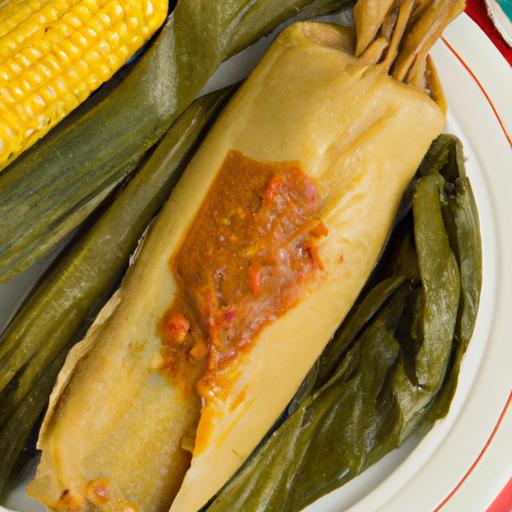

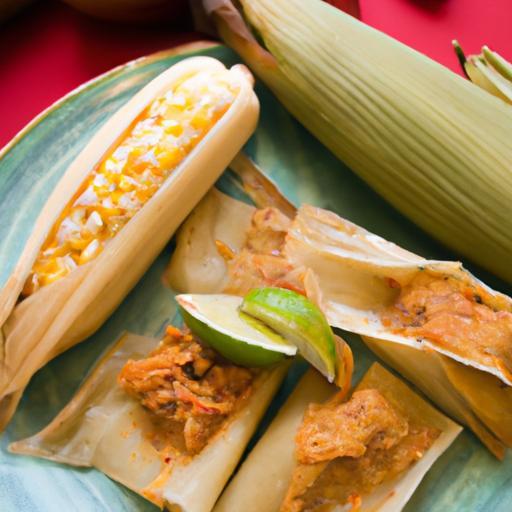
There’s something undeniably magical about the humble tamale-a culinary treasure wrapped in tradition, steeped in history, and bursting with flavor beneath its simple corn husk cover. Tamales unwrapped reveal not just a dish, but an art form: the delicate balance of tender, masa dough and savory fillings that range from rich meats and cheeses to vibrant vegetables and spices. In this exploration, we’ll journey into the heart of tamale-making, uncovering the secrets behind the perfect masa, the vibrant fillings that bring each bite to life, and the cultural threads that stitch this beloved food into the fabric of communities across the Americas. Prepare to unwrap more than just a tamale; prepare to unwrap centuries of heritage,creativity,and culinary mastery.
Tamales Unwrapped: The Art of Corn Dough & Savory Fillings
Tamales unwrapped reveal a rich tapestry of culinary history,texture mastery,and mouthwatering fillings that define this beloved Latin American dish. Rooted deeply in indigenous mesoamerican culture, tamales have evolved over centuries to become a festive staple everywhere from humble home kitchens to upscale restaurants. their magic lies not only in the painstaking craft of preparing the perfect corn dough but also in the exquisite balance between masa and fillings that entice every bite.
Prep and Cook Time
- Readiness: 1 hour 30 minutes
- cooking: 1 hour 15 minutes
- Total: 2 hours 45 minutes
Yield
Approximately 24 tamales (serves 6-8)
Difficulty Level
Medium – Requires patience and attention to detail
ingredients
- For the Masa:
- 4 cups masa harina (corn dough flour)
- 2 ½ cups warm chicken broth (or vegetable broth for vegetarian)
- 1 ½ cups lard or vegetable shortening, softened
- 2 teaspoons baking powder
- 2 teaspoons kosher salt
- Classic Savory fillings:
- 2 cups shredded cooked pork shoulder or chicken
- 1 cup red chile sauce (mild or spicy)
- 1 cup sautéed diced poblano peppers
- Additional:
- 30 dried corn husks, soaked in warm water for 1 hour
Instructions
- Prepare the Corn Husks: Soak the dried corn husks in warm water for at least 60 minutes until pliable. Drain and pat dry before use to avoid sogginess.
- Make the Masa Dough: In a large mixing bowl, beat the softened lard with an electric mixer until fluffy, about 3 minutes. Gradually add masa harina, baking powder, and salt, alternating with warm chicken broth.Continue mixing until the dough feels light and spreadable but holds shape. A simple test: drop a small ball into cold water-if it floats, your masa is perfect.
- Prepare the Filling: Toss shredded pork or chicken with the red chile sauce and sautéed poblano peppers until well combined. The sauce should be rich and coating but not watery.
- Assemble the Tamales: Lay one corn husk flat, with the smooth side down. spread a thin, even layer (about 3 tablespoons) of masa dough in the center, leaving edges free for folding. Add 1-2 tablespoons of filling on top of the masa. Fold the sides of the husk towards the center, than fold the bottom up, securing the tamale into a neat package.
- Steam to Perfection: Arrange the tamales standing upright in a large steamer pot, open end up. Cover with a damp cloth and lid. Steam over simmering water for about 75 minutes, adding water as needed. Check readiness by peeling back a husk; the masa should be firm and separate easily from the husk.
- Serve Warm: Let tamales rest for 10 minutes before serving to slightly firm up. garnish as desired.
Tips for Success
- Masa Consistency: Achieving the perfect masa texture is essential-too dry and your tamales will be dense, too wet and thay won’t set properly. Add broth gradually and perform the float test often.
- Fillings Variations: Experiment with vibrant fillings like mole negro chicken, cheese with roasted chilies, or even plant-based jackfruit as an inventive twist.
- Make-Ahead: Tamales can be wrapped and frozen before steaming-just steam directly from frozen, adding extra cooking time.
- Steamer Setup: Use a heatproof rack inside the pot to keep tamales above water, preventing sogginess.
Serving Suggestions
Present tamales unwrapped on a rustic wooden platter with vibrant garnishes like chopped fresh cilantro, sliced radishes, and lime wedges. Offer side bowls of salsa verde, crema, or guacamole for dipping. A bright salad of jicama and oranges complements the hearty tamales beautifully, balancing flavor and texture.

Nutritional Details (Per Tamale)
| Calories | Protein (g) | Carbs (g) | fat (g) |
|---|---|---|---|
| 270 | 15 | 28 | 10 |
For an in-depth look at masa harina types and their influence on dough quality, see our complete guide to masa harina. To deepen your understanding of tamale history, the Smithsonian’s Food Culture exhibit offers fascinating insights.
Q&A
Q&A: Tamales Unwrapped – The Art of Corn Dough & Savory Fillings
Q1: what exactly is a tamale, and why is it considered such a treasured culinary tradition?
A1: At its heart, a tamale is a humble yet magical handheld parcel – masa (corn dough) wrapped around savory or sweet fillings, then steamed to tender perfection inside a corn husk or banana leaf. It’s a culinary time capsule, carrying centuries of indigenous history, family stories, and regional flavors. More than just food, tamales symbolize community, celebration, and patience, each bite a testament to artisanal craft.
Q2: What makes the corn dough (masa) so special in tamales?
A2: Masa is the soul of the tamale. Made from nixtamalized corn-corn soaked and cooked in an alkaline solution-this process unlocks deep flavors, enhanced nutrition, and an irresistible doughy texture. The masa’s consistency is crucial: light enough to steam fluffy, yet firm enough to cradle fillings without breaking apart. It’s a delicate balance honed by generations.
Q3: How do savory fillings vary across tamale traditions?
A3: Savory fillings are the vibrant heartbeat of tamales,ranging from slow-cooked pork in rich red chile sauce,zesty chicken with green salsa,to layers of roasted vegetables or cheese and chilies. Each region and family recipe varies, turning tamales into a canvas for local ingredients and personal flair. Spices and textures mingle-smoky, spicy, tangy, and tender-all encased within the soft masa.Q4: What’s the importance of wrapping tamales in corn husks or banana leaves?
A4: Wrapping tamales is both practical and symbolic. Corn husks act as natural steamers, imparting subtle earthy aroma while holding the dough together during cooking. In tropical regions, banana leaves serve a similar role, adding a lush fragrance and a glossy sheen to the tamales. Unwrapping the leaf is like unveiling a treasure, reconnecting eater and maker through sensory ritual.
Q5: Why is steaming the preferred cooking method for tamales?
A5: Steaming gently coagulates the masa, preserving moisture and yielding a tender, velvety texture impossible to achieve through baking or frying. the steam permeates the husk or leaf wrapper, allowing flavors to meld while maintaining the integrity of both dough and filling. This slow, loving process underscores the patience and care woven into every tamale.
Q6: Can tamales be both savory and sweet? How does sweet masa differ?
A6: Absolutely. Sweet tamales celebrate corn’s natural sweetness, often enhanced with sugar, cinnamon, or fruit. They might cradle fillings like raisins, pineapple, or chocolate, or be served plain with a drizzle of piloncillo syrup. The sweet masa usually has a lighter, fluffier texture and is steamed just like its savory sibling, offering a delightful dessert alternative.
Q7: What’s the best way to enjoy tamales once they’re cooked?
A7: Fresh from the steamer is ideal-unwrap slowly to savor the aroma first. Serve tamales warm with complementary salsas,crema,or a sprinkle of cheese,depending on the filling. They are inherently communal, perfect for sharing with family and friends during festive occasions or quiet gatherings alike.
Q8: How can home cooks start their own tamale-making journey?
A8: Begin with sourcing quality masa harina or fresh masa, select fillings that inspire you, and secure your wrappers-dried corn husks soaked until pliable work well for beginners. Patience is your greatest ally; tamales reward slow,mindful preparation. Experiment with flavors, textures, and wrapping techniques, and soon you’ll find yourself part of a timeless culinary continuum, crafting edible stories one tamale at a time.
Unwrapping a tamale is more than just peeling back layers – it’s immersing yourself in a rich tradition where corn dough meets boundless creativity and savory dreams. The art of tamales invites you to taste history, culture, and familial love all wrapped snug and steaming in every bite.
Final Thoughts
As we peel back the layers of this culinary tradition, tamales reveal themselves not just as a simple meal, but as a vibrant tapestry woven from centuries of culture, technique, and flavor. The delicate dance between the tender corn dough and its savory fillings tells a story of patience, community, and creativity-each bite a delicious invitation to savor history wrapped in warmth. Whether enjoyed during festive gatherings or quiet moments at home, tamales continue to embody the enduring art of turning humble ingredients into an expression of heritage and heart. So next time you unwrap a tamal, remember: you’re not just tasting food-you’re tasting a legacy.