
Nestled in the sun-kissed hills of Liguria, where the Mediterranean breeze carries the scent of pine and sea salt, lies the birthplace of a culinary masterpiece: Pesto Genovese. This vibrant green sauce,bursting with the fresh zest of basil,the richness of pine nuts,and the sharp tang of Parmesan,has long been a beloved emblem of Italian gastronomy. when lovingly tossed with perfectly al dente linguine, it transforms a simple meal into an unforgettable celebration of classic Italian flavor. In this article, we unveil the timeless charm of Linguine al pesto Genovese-exploring its origins, ingredients, and the art of crafting this iconic dish that continues to capture hearts and palates around the world.
Origins and Tradition Behind Pesto Genovese
Linguine al Pesto Genovese is a vibrant celebration of liguria’s rich culinary heritage, originating from the enchanting coastal city of Genoa. This iconic sauce, whose name derives from the Italian word “pestare” meaning “to crush,” was traditionally prepared using a mortar and pestle to preserve the integrity and delicate flavors of its ingredients. Passed down through generations, authentic pesto embodies a harmonious blend of fresh basil leaves, pine nuts, garlic, Parmigiano-Reggiano, Pecorino cheese, extra virgin olive oil, and a pinch of sea salt.
Its aroma instantly transports you to sun-drenched Italian terraces, while its velvety texture and luminous, herbal notes pair exquisitely with the gentle bite of linguine. This dish not only honors Italian tradition but also embodies a timeless simplicity that is both rustic and refined.
Essential Ingredients for Authentic Flavor
- 2 cups fresh Genovese basil leaves (washed and dried to preserve their vibrant green color)
- 1/2 cup extra virgin olive oil (cold-pressed for a peppery finish)
- 1/3 cup toasted pine nuts (adds a subtle, buttery crunch)
- 2 cloves garlic (mild and fresh, avoid overly strong or aged garlic)
- 1/2 cup grated Parmigiano-Reggiano cheese (preferably aged for 18 months)
- 1/4 cup grated Pecorino Romano cheese (sharp contrast to Parmigiano)
- Salt to taste (preferably fine sea salt, to enhance brightness)
- 400g linguine pasta (preferably fresh or dried premium quality)
Step by Step Guide to Perfectly Cooked Linguine
- bring a large pot of salted water to a rolling boil. The water should taste like the sea to season the pasta perfectly.
- Add linguine carefully and stir immediately to prevent sticking. Cook according to package instructions, usually 9-11 minutes for al dente.
- Reserve 1 cup of pasta cooking water before draining the linguine. This starchy water will help the pesto cling and emulsify beautifully with the pasta.
- Drain the linguine and return it to the pot over low heat.
- Add the freshly made pesto Genovese gradually, tossing the pasta gently. Use reserved pasta water sparingly to loosen and blend everything into a glossy, silky coat.
- Remove the pot from heat once the linguine is evenly coated. Avoid overheating to preserve the fresh herbal flavor and vibrant green color of the sauce.
Serving suggestions and Complementary Pairings
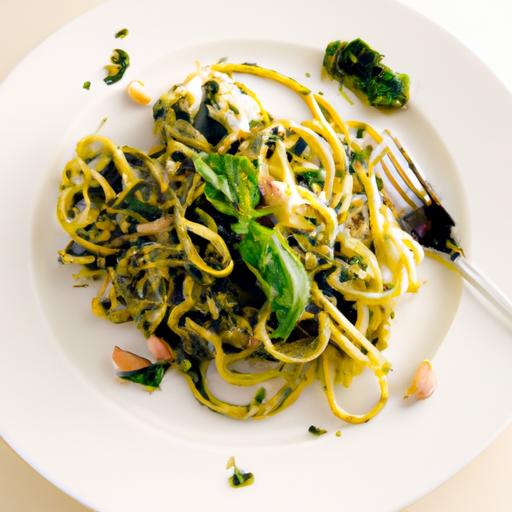
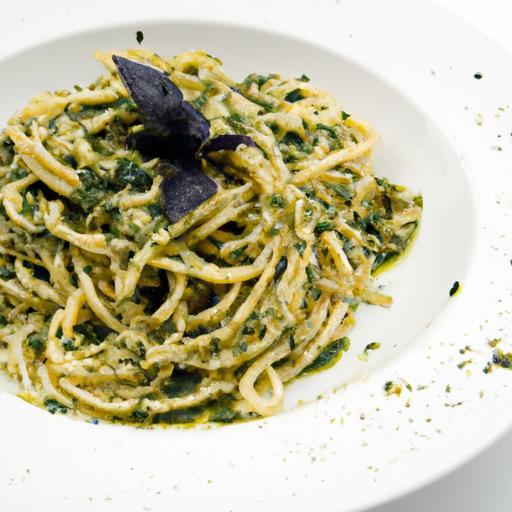
For a truly authentic presentation,serve your linguine al pesto Genovese in shallow bowls,allowing the sauce to spread beautifully with each twirl. Garnish with a few whole basil leaves and a light drizzle of extra virgin olive oil to enhance the fresh aroma. Toasted pine nuts sprinkled on top bring a delightful textural contrast.
This dish pairs superbly with a chilled glass of Vermentino or a crisp Sauvignon Blanc, both of which complement pesto’s herbal and nutty nuances without overpowering. For sides, consider a simple Caprese salad with ripe tomatoes and fresh mozzarella or light marinated olives to balance the rich flavors.
To round out the meal, classic focaccia brushed with rosemary and sea salt echoes the Ligurian tradition, inviting you to savor every bite.
Prep and Cook Time
- Planning: 15 minutes
- Cooking: 12 minutes
- Total: 27 minutes
Yield
Serves 4 generous portions.
Difficulty Level
Easy – perfect for home cooks aiming to master Italian classics with confidence.
Ingredients
- 2 cups fresh Genovese basil leaves, washed and dried
- 1/2 cup extra virgin olive oil, cold-pressed
- 1/3 cup toasted pine nuts
- 2 cloves garlic, peeled
- 1/2 cup grated Parmigiano-Reggiano cheese
- 1/4 cup grated Pecorino Romano cheese
- Salt to taste
- 400g linguine pasta
Instructions
- Prepare the pesto: In a food processor or mortar and pestle, combine basil, garlic, and pine nuts. Pulse until finely chopped.
- Slowly drizzle in olive oil while continuing to process until emulsified into a smooth, vibrant green sauce.
- Stir in Parmigiano-Reggiano and Pecorino cheeses, blending until creamy.Add salt to taste.
- Cook linguine: Boil water with salt, add linguine, stir occasionally, and cook until al dente.
- Reserve 1 cup pasta water, then drain linguine.
- Toss linguine with pesto in the pot over low heat, adding pasta water as needed for a silky finish.
- Serve immediately, garnished with fresh basil leaves and extra pine nuts.
chef’s Notes and Tips for success
- Use fresh ingredients: Authentic Genovese basil is key-dry or bruised leaves impart bitterness.
- Toasting pine nuts enhances flavor but avoid burning them; light golden is perfect.
- Adjust sauce consistency with reserved pasta water slowly to avoid thinning too much.
- For a dairy-free version, omit cheeses and add nutritional yeast or toasted almonds.
- Make ahead: Pesto can be refrigerated for up to 2 days, but fresh is always best.
- Avoid blender overheating: Process in pulses to keep the vibrant color and fresh flavors intact.
Serving Suggestions
pair Linguine al Pesto Genovese with a crisp white wine like Vermentino or pinot Grigio. Brighten the plate with a wedge of lemon and a light drizzle of artisanal olive oil just before serving. A simple arugula salad tossed in lemon vinaigrette provides a peppery contrast,and warm,crusty focaccia brings welcoming crunch alongside.

| Nutritional Info (per serving) | Calories | Protein | carbs | Fat |
|---|---|---|---|---|
| linguine al Pesto Genovese | 560 kcal | 18 g | 60 g | 25 g |
For more Italian pasta recipes and techniques, explore our detailed Authentic Italian Pasta Guide. For historical context on pesto and its culinary importance, visit the Experience Italy official page.
Q&A
Q&A: Linguine al Pesto Genovese – Classic Italian Flavor Unveiled
Q1: What exactly is Linguine al Pesto Genovese?
A1: Linguine al Pesto Genovese is a traditional Ligurian dish that marries the delicate, ribbon-like linguine pasta with the vibrant, aromatic green sauce known as Pesto Genovese.Originating from Genoa, Italy, this dish is a celebration of fresh basil, pine nuts, garlic, Parmesan cheese, and olive oil blended into a creamy, herbaceous pesto that clings beautifully to the pasta strands.
Q2: How is Pesto Genovese different from other pesto sauces?
A2: While “pesto” can refer to various crushed herb sauces, Pesto Genovese is the original and most iconic version, characterized by its unique Ligurian ingredients and preparation style.Unlike sun-dried tomato or arugula pestos, Pesto Genovese is anchored by sweet basil from Genoa, combined traditionally using a mortar and pestle to ensure a rich texture and authentic flavor.
Q3: Why linguine instead of spaghetti or other pasta?
A3: Linguine, with its slightly flattened strands, offers a perfect surface area to hold onto the creamy pesto sauce. Its subtle thickness strikes a balance-thicker than spaghetti but thinner than fettuccine-allowing the herbaceous pesto to envelop each bite without overpowering the palate.
Q4: Can Linguine al Pesto Genovese be made vegan or gluten-free?
A4: absolutely! To make it vegan, simply substitute Parmesan with nutritional yeast or a plant-based hard cheese choice and ensure the pesto is free from animal products. For a gluten-free version, swap traditional linguine for gluten-free linguine made from rice, corn, or other gluten-free grains. The bright flavors of the pesto remain just as captivating.Q5: What makes this dish so iconic in Italian cuisine?
A5: Beyond its irresistible taste, Linguine al Pesto Genovese embodies the essence of Italian culinary beliefs: simplicity, freshness, and respect for regional ingredients. It’s a dish that tells the story of Liguria’s sun-drenched basil fields, artisanal cheese makers, and centuries-old traditions, making every forkful a connection to Italy’s rich cultural heritage.
Q6: Are there any tips to perfecting this dish at home?
A6: For authentic flavor and texture, use fresh, young basil leaves, high-quality extra virgin olive oil, and freshly grated Parmesan or Pecorino cheese. Toast the pine nuts lightly for a deeper nuttiness, and avoid overcooking the linguine-it should be al dente to provide a tender yet firm bite. Lastly, toss the pasta and pesto off the heat to preserve the bright green color and vibrant taste.
Q7: What wines or sides complement Linguine al Pesto Genovese?
A7: Pair this dish with a crisp, mineral-driven white wine such as Vermentino or a light Pinot grigio to match the herbal freshness of the pesto. For sides, consider a simple Caprese salad, lightly dressed arugula, or grilled vegetables to round out the meal with clean, complementary flavors.
With these insights, your journey into Linguine al Pesto Genovese not only satisfies the palate but also deepens your thankfulness for one of Italy’s most beloved culinary treasures. Buon appetito!
Closing Remarks
As the fragrant basil leaves, pine nuts, and parmigiano-Reggiano come together in a vibrant green symphony, Linguine al Pesto Genovese invites you to taste the very essence of Liguria’s culinary heritage. This classic Italian dish is more than just a meal-it’s a celebration of simple, fresh ingredients harmonizing to create something timeless. Whether enjoyed in a bustling Genoese trattoria or recreated in your own kitchen, each twirl of linguine coated in pesto is a tasty reminder that tradition, when crafted with care, never goes out of style. So, next time you crave a bite of Italy, let this pesto masterpiece transport you to the sun-drenched coasts where flavor truly begins.