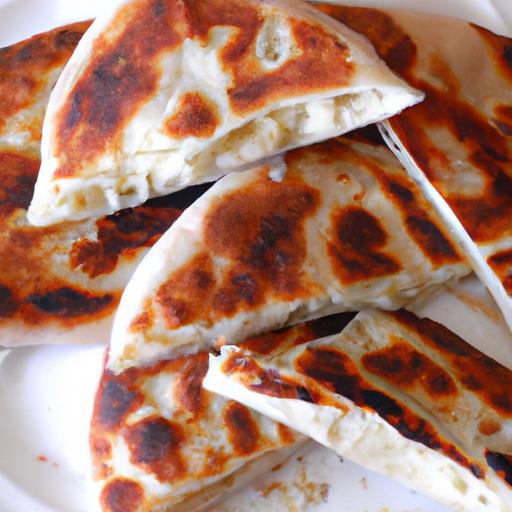

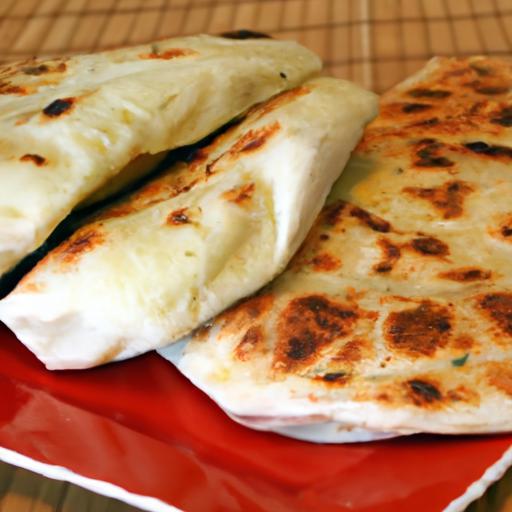
Few culinary treasures capture the heart of Turkish cuisine quite like gözleme-a humble, golden-hued flatbread encasing a world of flavors.This beloved street food, wiht roots stretching back centuries, invites both novices and seasoned cooks to embark on a flavorful journey of dough, fillings, and tradition.In this guide to mastering gözleme, we’ll unravel the secrets behind its perfect crispy layers and reveal how authentic ingredients and simple techniques combine to create this iconic stuffed flatbread. Whether you crave the classic spinach and feta or dream of inventive fillings,prepare to roll up your sleeves and bring a slice of Turkey’s vibrant food culture to your own kitchen.
Mastering Gözleme: Authentic Turkish Stuffed Flatbread Guide
Mastering gözleme unlocks a culinary treasure steeped in centuries of Turkish tradition. This beloved stuffed flatbread, cherished from bustling street markets to family kitchens across Anatolia, embodies both simplicity and warmth. My earliest memory of gözleme is of watching a vendor expertly roll thin dough over a sizzling griddle, the enticing aroma drawing eager crowds-an unforgettable dance of texture and flavor that beckons every food lover to recreate its magic at home.
Prep and cook Time
- Planning: 20 minutes
- Rising time for dough: 1 hour
- Cooking: 10 minutes per batch
- Total Time: Approximately 1 hour 30 minutes
Yield
Serves 4-6 hearty portions (8 gözleme pieces)
Difficulty Level
Medium - Requires basic dough handling skills and attention during cooking
Ingredients
- For the Dough:
- 3 cups all-purpose flour, sifted
- 1 tsp instant yeast
- 1 tsp granulated sugar
- 1 tsp fine sea salt
- 1 cup lukewarm water (adjust as needed)
- 2 tbsp extra virgin olive oil
- Traditional Spinach & Feta Filling:
- 2 cups fresh spinach, finely chopped
- 1 cup crumbled feta cheese
- 1 small onion, finely diced
- 1 tbsp olive oil
- ½ tsp black pepper
- Pinch of salt
- Other Filling ideas: minced lamb with spices, sautéed mushrooms with herbs, or spiced potato mash
instructions
- prepare the Dough: In a large bowl, combine the sifted flour, instant yeast, sugar, and salt. Gradually add lukewarm water while mixing with a wooden spoon or your hand until a rough dough forms.
- knead Thoroughly: Transfer to a floured surface and knead vigorously for 8-10 minutes, incorporating the olive oil halfway through. The dough should be supple, elastic, and slightly tacky but not sticky.
- Let it Rise: Place the dough back in the bowl, cover with a damp cloth or plastic wrap, and allow it to rest in a warm spot for 60 minutes or until doubled in size.
- Prepare the Filling: Heat olive oil in a skillet over medium heat. Add diced onions, sauté until translucent (about 4 minutes).Remove from heat and stir in chopped spinach, crumbled feta, salt, and pepper. Set aside to cool slightly.
- Divide and Roll: Punch down the dough and divide it into 8 equal portions. On a lightly floured surface, roll each ball into a thin, paper-thin round about 10 inches (25 cm) in diameter. Thinness is key to a perfect gözleme texture.
- Fill and Fold: Spoon a generous amount of filling onto one half of each dough circle, leaving a margin at the edge. Fold over to create a semicircle and press the edges firmly to seal, avoiding any air pockets.
- Cook the Gözleme: Heat a dry cast-iron skillet or non-stick pan over medium heat. place the filled gözleme on the hot surface. Cook for about 3-4 minutes per side, pressing gently with a spatula, until golden brown spots appear and the bread crisps beautifully.
- Serve Warm: Remove from skillet and brush lightly with melted butter or olive oil for gloss and added flavor. Repeat with remaining dough and filling.
Tips for Success
- dough consistency: If your dough feels dry and cracks when rolling, add water 1 tbsp at a time. If too sticky,incorporate a little extra flour.
- Rolling thin: Use a rolling pin with confident, even strokes and a lightly floured work surface to get that signature paper-thin look.
- Filling variations: Experiment with savory or even sweet fillings such as spiced ground beef, sautéed mushrooms with thyme, or a sweet ricotta with honey for a dessert gözleme.
- make ahead: Dough can be prepared the day before, refrigerated, and brought to room temperature before rolling.
- Cooking tip: Press gently but consistently to achieve that crispy, golden finish without burning or undercooking the insides.
Serving Suggestions
Slice gözleme into wedges and serve immediately alongside a refreshing homemade yogurt sauce infused with garlic and fresh dill.Garnish with lemon wedges for a zesty contrast. Pair with a crisp tomato and cucumber salad drizzled with olive oil and sumac for an authentic experience.
This stuffed flatbread also shines wrapped loosely around fresh arugula and grilled peppers for a delightful handheld snack or picnic treat.

| Nutrient | Per Serving (1 gözleme) |
|---|---|
| Calories | 280 kcal |
| Protein | 10 g |
| Carbohydrates | 38 g |
| Fat | 8 g |
for further reading on classic turkish breads and their cultural roots, visit the Turkish Cultural Foundation.
Q&A
Q&A: Mastering Gözleme – Your Authentic Turkish Stuffed Flatbread Guide
Q1: What exactly is gözleme?
A1: Gözleme is a traditional Turkish stuffed flatbread that’s both humble and unusual. Picture thin, hand-rolled dough folded around delicious fillings like spinach and feta, minced meat, or potatoes, then cooked on a hot griddle until golden and crispy. It’s a beloved street food with roots deep in Anatolian culture, offering a savory, satisfying meal with every bite.Q2: How is gözleme different from other stuffed flatbreads?
A2: Unlike some stuffed breads that use leavened dough or are baked like pies, gözleme uses an unleavened, super thin, elastic dough that’s cooked quickly on a sac- a traditional convex iron griddle. This technique creates a unique texture: crunchy on the outside, tender inside, with fillings that burst with flavor. The hands-on preparation and rapid cooking set it apart from other flatbreads worldwide.
Q3: What are the essential ingredients needed for making authentic gözleme dough?
A3: The magic begins with simplicity: just flour, water, salt, and a drizzle of olive oil. Some variations include a pinch of yogurt for extra softness. The key is achieving a dough that’s pliable enough to roll paper-thin without tearing,so patience and a light hand in kneading pay off to get that perfect stretchy base.
Q4: Can you share some traditional filling combinations?
A4: Absolutely! The classics include:
- Spinach and feta cheese: A tangy, savory duo that’s a crowd-pleaser.
- Minced lamb or beef with onions and spices: Rich and hearty,perfect for meat lovers.
- Potatoes with herbs like parsley and dill: Comfort food at its finest.
- Mushrooms with cheese or scrambled eggs: A delicious vegetarian option.
Feel free to unleash culinary creativity, but staying true to fresh, simple ingredients keeps the soul of gözleme intact.
Q5: What cooking tools do I need to authentically prepare gözleme at home?
A5: Traditionally, gözleme is cooked on a sac-a domed, cast iron griddle. If that’s hard to find, use a heavy non-stick skillet or cast iron pan. A rolling pin is essential to get that wafer-thin dough, and a spatula will help you flip the gözleme without losing the filling. A clean kitchen towel helps in handling and folding the dough gently.
Q6: Any insider tips for perfecting the folding technique?
A6: Folding is an art! After layering your filling over half of the stretched dough, fold the other half over gently to encase the filling, then press the edges firmly to seal. Some cooks fold it into triangles or rectangles for easier handling. The goal is to keep the filling snugly inside while allowing the dough to crisp evenly.
Q7: How long does it typically take to cook a gözleme, and how do I know when it’s done?
A7: Cooking is quick magic: 2-3 minutes per side on medium-high heat.You’ll know it’s ready when the dough turns a golden brown with darker speckles, and you smell that irresistible toasty aroma. The flatbread should be crisp on the outside yet tender beneath, with fillings hot and melded perfectly.
Q8: Can gözleme be made ahead or stored?
A8: Fresh is best, but if needed, you can prepare gözleme in advance and reheat it briefly on a hot pan or in the oven to restore crispness. Avoid microwaving as it makes the dough chewy. Leftovers can be wrapped tightly to keep them from drying out.
Q9: What beverages or side dishes pair well with gözleme?
A9: Traditional pairings include ayran (a refreshing Turkish yogurt drink) that balances the savory richness perfectly, or a strong Turkish tea to sip alongside. Side dishes like fresh salads, pickled vegetables, or yogurt-based dips complement gözleme beautifully, enhancing its rustic charm.
Q10: Why should someone embark on mastering gözleme?
A10: Making gözleme is more than cooking-it’s an immersive experience connecting you with Turkish culture and centuries-old traditions.The hands-on process, delightful aromas, and customizable fillings make it a joyous culinary adventure. Plus, sharing gözleme with loved ones brings people together around a table full of warmth, flavor, and stories.
Ready your rolling pin and fire up the griddle-mastering gözleme is a delicious gateway to the heart of Turkey’s vibrant food heritage!
Key Takeaways
As the final fold seals in the warm, savory filling of your gözleme, you’ve not only crafted a delicious Turkish flatbread-you’ve connected with a centuries-old tradition that celebrates simplicity and flavor in every bite. Mastering gözleme is more than just a cooking skill; it’s an invitation to explore the rich tapestry of Turkish culture, one stuffed pastry at a time. So next time you roll out that dough and sprinkle on your favorite ingredients, remember-you’re creating more than food. You’re making a story,a shared moment,and a taste of authenticity that transcends borders.Happy cooking, and afiyet olsun!