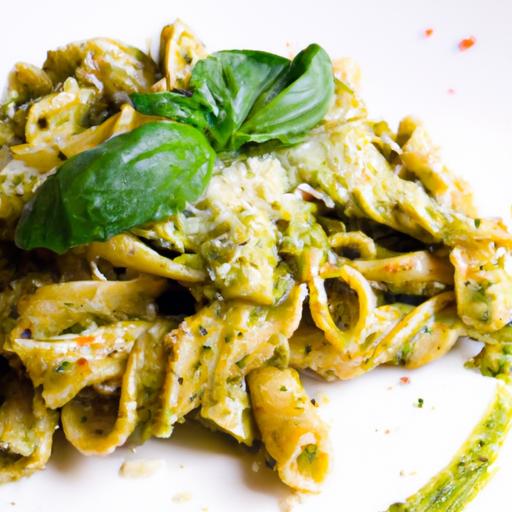

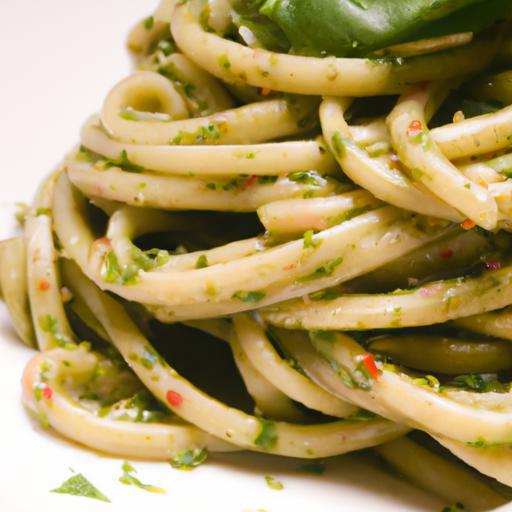
There’s something undeniably magical about the perfect plate of pasta swirled generously with vibrant, herbaceous pesto-a dish that effortlessly marries simplicity with sophistication.Whether you’re a seasoned home cook or a curious kitchen novice, mastering the art of crafting flawless pasta with pesto is a culinary journey worth embarking on. In this ultimate guide, we’ll unravel the secrets behind al dente noodles, the freshest pesto blends, and harmonious flavor pairings that bring each bite to life. Prepare to elevate your pasta game and transform humble ingredients into an unforgettable Italian classic.
Choosing the Ideal Pasta Shapes to Complement Pesto Flavors
The Ultimate Guide to crafting Perfect Pasta with Pesto begins by understanding that not all pasta shapes marry equally well with the vibrant, herbaceous punch of fresh pesto. Selecting the right shape is a culinary dance-each curve, groove, or hollow designed to cradle the luscious green sauce and amplify its signature flavor. For pesto’s luscious texture and potent aroma, pasta with ridges or tubular forms works wonders.Think trofie, a Ligurian classic traditionally paired with pesto, or trenette, whose slender strands effortlessly catch every vibrant drop. Fusilli’s corkscrew grooves trap the pesto, ensuring each bite bursts with basil-infused magic.
This choice is vital for the dish’s harmony, allowing pesto’s creamy texture and fresh basil notes to shine, creating a symphony of flavors with every forkful.
Unlocking the Secrets of Fresh Homemade Pesto for Unmatched Aroma
Achieving a pesto with a vibrant green hue and aromatic richness starts with the freshest ingredients. Hand-picked basil leaves must be shining and tender-avoid older, wilted ones that dull flavor and deepen bitterness. Toasted pine nuts lend a mild nuttiness, while freshly grated Parmigiano-Reggiano adds a savory depth.The magic, though, lies in technique: pulse ingredients gently in a food processor or traditional mortar and pestle. Over-blending heats the basil, muffling its aroma and color. Use cold-pressed extra virgin olive oil sparingly, drizzling just enough to form a silky emulsion that coats pasta perfectly without weighing it down.
Mastering the Art of Perfectly Cooked Pasta Every Time
nothing detracts from the bliss of pesto pasta like overcooked noodles. Opt for “al dente” timing-the pasta should retain a tender bite, providing the ideal canvas for pesto’s bold flavors. Salt your water generously, mimicking the ocean’s brininess to uplift the pasta’s natural wheat notes. Remember: drain pasta with a bit of starchy water reserved. This secret ingredient helps loosen pesto and binds the sauce beautifully, ensuring a luscious finish without dilution. Toss pasta instantly after draining with the pesto, allowing the residual heat to awaken the sauce’s complex layers without bruising the basil’s aroma.
Elevating Your Dish with Expert tips on Serving and Pairing Pesto Pasta
Serve your pesto pasta with simplicity and elegance. Garnish with extra toasted pine nuts, a grating of aged Parmigiano-Reggiano, and a light drizzle of olive oil for visual and textural contrast. Add a squeeze of fresh lemon juice or zest to brighten the dish and highlight basil’s natural citrus undertones. Offer a crisp glass of Vermentino or a light, herbaceous Sauvignon Blanc alongside to enhance the aromatic interplay on your palate. For a textural surprise, serve alongside crunchy toasted bread rubbed with garlic and olive oil, inviting a rustic embrace to the elegant pesto pasta.
Prep and Cook Time
- Preparation: 15 minutes
- Cook: 10 minutes
- Total time: 25 minutes
Yield
Serves 4 generously
Difficulty Level
Easy
Ingredients
- 400g trofie or fusilli pasta
- 2 cups fresh basil leaves, packed and washed
- ½ cup toasted pine nuts
- 1 cup extra virgin olive oil, cold-pressed
- 1 cup freshly grated Parmigiano-Reggiano cheese
- 2 cloves garlic, peeled
- Salt, to taste
- Freshly cracked black pepper, to taste
- Lemon zest, optional for garnish
Instructions
- Toast pine nuts: heat a dry skillet over medium heat, add pine nuts, and shake the pan constantly until golden brown (about 3-4 minutes).Remove immediately to prevent burning.
- Prepare pesto: In a food processor, combine basil leaves, garlic, toasted pine nuts, and a pinch of salt. Pulse gently until coarsely chopped.
- Blend to sauce: While pulsing, slowly drizzle in olive oil until the mixture becomes a smooth, vibrant green sauce. Stop before it becomes too runny.
- Incorporate cheese: Transfer pesto to a bowl, fold in Parmigiano-reggiano, and adjust salt and pepper according to taste.
- Cook pasta: Bring a large pot of salted water to boil. Add pasta and cook until al dente (1-2 minutes less than package instructions).
- Reserve pasta water: Before draining, save ½ cup of starchy cooking water.
- Toss pasta with pesto: Immediately mix hot pasta with pesto, adding reserved water little by little to reach a creamy consistency.
- Serve: Plate pasta, garnish with extra pine nuts, cheese, and optional lemon zest.
Chef’s Notes & tips for Success
- For a nut-free variation, substitute pine nuts with toasted walnuts or almonds. The flavor will be earthier but delicious.
- Make pesto up to a day ahead; store airtight in the fridge with a thin layer of olive oil on top to prevent oxidation.
- Use high-quality Parmesan or Pecorino Romano for more complexity.
- If you prefer a chunkier pesto, pulse in the processor fewer times to keep texture.
- To brighten the dish further, a few basil flowers or microgreens can make a stunning final garnish.
Serving Suggestions
Pair pesto pasta with a crisp green salad dressed lightly in lemon vinaigrette, or serve alongside grilled vegetables like zucchini and bell peppers for a perfect Mediterranean meal. A chilled white wine like Vermentino or Sauvignon Blanc elevates the fresh herbaceous notes. For added indulgence, serve with rustic focaccia rubbed with garlic and herbs. A sprinkle of freshly cracked black pepper and a drizzle of extra virgin olive oil right before serving makes every bite sing.
| Nutrient | Per Serving |
|---|---|
| Calories | 480 kcal |
| Protein | 16g |
| Carbohydrates | 56g |
| Fat | 22g |

looking to expand your Italian kitchen mastery? Check out our homemade pasta basics for an authentic touch. For more inspiration on herbs and culinary uses, visit National Geographic’s Basil Culinary History.
Q&A
Q&A: The Ultimate Guide to Crafting Perfect Pasta with Pesto
Q1: What makes pesto the perfect companion for pasta?
A1: Pesto is a vibrant, herbaceous sauce bursting with fresh basil, pine nuts, garlic, Parmesan, and olive oil. Its bright, nutty flavor and creamy texture effortlessly coat each strand or bite of pasta, turning a simple dish into an aromatic masterpiece. Pesto’s balance of rich, savory, and fresh elements perfectly complements pasta’s neutral canvas.
Q2: Which type of pasta pairs best with pesto?
A2: Classic choices like trofie, linguine, or spaghetti let pesto cling beautifully to every twist and turn, but don’t shy away from orecchiette or fusilli. The sauce nests in their curves and grooves, ensuring every bite bursts with flavor. Essentially, pasta with texture wins the pesto pairing game!
Q3: Should pesto be cooked or added raw?
A3: Always add pesto raw, off the heat. Cooking pesto can dull its vibrant green hue and fresh flavors. Toss your pasta hot and drained with pesto gently and promptly-this preserves its bright color and fragrant punch.Q4: How can I ensure my pesto is perfectly fresh and flavorful?
A4: Start with fresh basil leaves-vibrant, unblemished, and fragrant. Toast pine nuts lightly to unlock their oils and nuttiness, but don’t overdo it. use freshly grated Parmesan and extra virgin olive oil known for its peppery quality.If using garlic, beware of overpowering; a small clove finely minced is ideal. Blend gently to keep the sauce slightly chunky, preserving texture.
Q5: What’s the secret to emulsifying pesto so it coats pasta beautifully?
A5: gradually drizzle olive oil into the basil mixture while blending or pounding. This slow incorporation creates a creamy emulsion. When tossing with pasta, add a little reserved pasta water. The starchy water binds the pesto and pasta together, making the sauce cling luxuriously.
Q6: Can I experiment with pesto flavors beyond traditional basil?
A6: Absolutely! swap basil for arugula for a peppery kick, kale for earthiness, or mint for brightness. Nuts like walnuts, almonds, or pistachios add unique depth.Don’t hesitate to blend in a touch of lemon zest or a drop of chili oil to personalize your pesto and keep your palate intrigued.
Q7: how should the pasta with pesto be served for an unforgettable experience?
A7: Serve immediately after mixing to enjoy the freshest flavors. Garnish with extra pine nuts, a sprinkle of Parmesan, and a drizzle of olive oil. Pair it with a crisp white wine or sparkling water with lemon to cleanse your palate between bites.
Q8: What common mistakes should I avoid when making pasta with pesto?
A8: Avoid overheating your pesto or adding it to cold pasta-this mutes the sauce’s vibrancy. Don’t skimp on salt or cheese, as they’re crucial flavor players. Lastly, using dried basil drastically changes the profile; always opt for fresh leaves to capture that iconic pesto magic.
embrace these tips and you’re well on your way to crafting pasta with pesto that’s not just a meal but a celebration of simple, fresh Italian flavors.Buon appetito!
In Retrospect
As you twirl your fork through vibrant strands of pesto-kissed pasta, remember that mastery lies not just in the recipe, but in the passion and patience you bring to each step. From selecting the freshest basil to achieving that silky,emerald sauce,crafting perfect pasta with pesto is both an art and a delicious journey.So, whether you’re a seasoned chef or a curious kitchen explorer, let this guide be your trusty companion-one that inspires confidence, invites creativity, and celebrates the simple joy of homemade Italian goodness. Buon appetito!