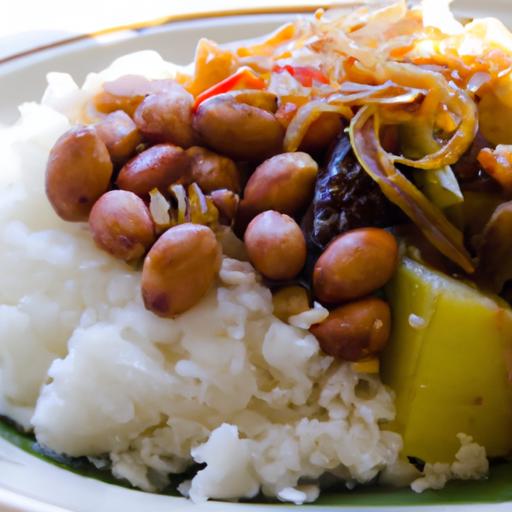

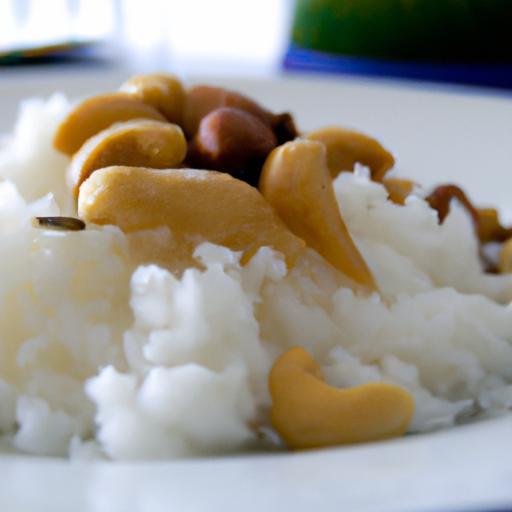
There’s something magical about nasi lemak-the fragrant, coconut-infused rice that’s a beloved staple of Southeast Asian cuisine. Traditionally paired with anchovies,boiled eggs,and spicy sambal,this iconic dish bursts with layers of flavour and texture. But what if you’re craving that same comforting experience without any animal products? Enter the vegan nasi lemak: a vibrant, cruelty-free twist that keeps the heart and soul of the dish intact. In this recipe, we’ll show you how to make creamy coconut rice the easy way, bringing together wholesome ingredients and bold flavors to create a plant-based version that’s every bit as satisfying as the original. Get ready to embark on a culinary journey where tradition meets innovation-your taste buds will thank you!
Vegan nasi Lemak Recipe: Creamy Coconut Rice Made Easy is a vibrant homage to Malaysia’s beloved national dish, reimagined to captivate plant-based palates without sacrificing its heartwarming essence. Traditionally enjoyed as a fragrant morning staple, this coconut rice bursts with aromatic pandan leaves and velvety coconut milk, setting a luscious base for spicy sambal and an array of colorful sides. Growing up, I was enchanted by the mingling scents of sizzling sambal and the richness of coconut-infused rice wafting thru the kitchen. This recipe channels that nostalgic warmth while offering a wholesome, vegan twist-perfect for sharing with friends or delighting your senses on any day.
Prep and Cook Time
Prep: 15 minutes | Cook: 25 minutes | Total: 40 minutes
Yield
Serves 4 generous portions
Difficulty Level
Easy – accessible for both novice and seasoned home cooks
Ingredients
- 1 ¾ cups jasmine rice, rinsed until water runs clear
- 1 cup canned coconut milk (full fat)
- 1 ½ cups water
- 3 pandan leaves, knotted
- 1 tsp fine sea salt
- 1 tbsp coconut oil or neutral vegetable oil
- For Plant-Based Sambal: 2 tbsp oil, 6 dried chilies (soaked), 3 fresh red chilies, 1 large shallot, 2 cloves garlic, 1 tsp tamarind paste, 1 tbsp coconut sugar, 1 tsp soy sauce, 1 tbsp water
- For Sides: sliced cucumber, roasted peanuts, fried tofu cubes, steamed greens (e.g., kai lan or bok choy)
Instructions
- Prepare the rice: in a medium pot, combine rinsed jasmine rice, coconut milk, water, pandan leaves, salt, and coconut oil. Stir gently to distribute the liquid evenly.
- Cook the rice: Bring the mixture to a boil over medium-high heat. Once boiling, reduce heat to low, cover with a tight-fitting lid, and simmer for 15 minutes. Avoid lifting the lid during cooking to preserve steam.
- Rest the rice: turn off the heat and let the rice sit undisturbed, covered, for another 10 minutes. This step allows the grains to steam to fluffy perfection.
- Make the plant-based sambal: In a blender, combine soaked dried chilies, fresh red chilies, shallot, garlic, tamarind paste, and a splash of water. Blend to a coarse paste.
- Sauté sambal paste: Heat oil in a saucepan over medium heat.Add the blended chili paste and cook for 7-10 minutes, stirring frequently until the oil separates and aroma blooms. Stir in coconut sugar and soy sauce, cooking an additional 2 minutes to balance flavors.
- Prepare sides: Lightly fry tofu cubes until golden and crisp. Roast peanuts until fragrant. Slice fresh cucumber thinly and steam your choice of greens until just tender to retain vibrant color.
- plate the dish: Fluff the coconut rice with a fork, removing pandan leaves. Serve rice at the center of a plate, surrounded by sambal, cucumber, peanuts, tofu, and greens.
Tips for Success
- Rinsing the rice thoroughly ensures that excess starch doesn’t make the coconut rice gummy. Continue rinsing until the water is almost clear.
- Use full-fat coconut milk for that signature creaminess; light versions will result in a less rich texture.
- Don’t skip the pandan leaves! Their subtle floral aroma elevates the rice to authentic heights and makes your kitchen smell irresistible.
- Simmer your sambal paste slowly to develop deep, layered flavors. Stir often to prevent scorching but allow it to reduce adequately.
- Make sambal ahead: The flavors intensify if prepared a day in advance and refrigerated in an airtight jar.
- To boost nutty aroma, toast peanuts on a dry pan over medium heat until golden and fragrant.
Serving Suggestions
This Vegan Nasi Lemak recipe: Creamy Coconut Rice made Easy shines at any table when plated beautifully. Serve the fluffy coconut rice as a centerpiece on large platters, with each vibrant side arranged in small bowls or compartments around it for contrast. For added texture and color, sprinkle toasted sesame seeds over the rice and garnish the sambal with finely chopped fresh coriander or kaffir lime leaves.
Pair this feast with refreshing iced lemongrass tea or a zingy calamansi soda to balance the richness.For a twist, add sliced avocado or grilled tempeh strips for extra protein and creaminess. bright, edible flowers or thinly sliced red chili rings elevate the presentation for special occasions.
| Nutrient | Per Serving |
|---|---|
| Calories | 420 kcal |
| Protein | 9 g |
| Carbohydrates | 60 g |
| Fat | 14 g |
Explore more vibrant vegan recipes like this one in our Vegan Malaysian Recipes collection. For insights on pandan leaves and their culinary uses, visit Encyclopedia Britannica.

Q&A
Q&A: Vegan Nasi Lemak Recipe – Creamy Coconut Rice Made Easy
Q1: What exactly is Nasi Lemak, and why is it so beloved?
A1: Nasi Lemak is a fragrant Malaysian dish often hailed as the nation’s breakfast treasure. Traditionally, it features coconut milk-infused rice served with spicy sambal, crunchy peanuts, boiled eggs, and crispy anchovies.Its rich, creamy, and spicy flavors create a harmonious symphony that awakens your palate every time.
Q2: How does this vegan version of Nasi Lemak differ from the customary recipe?
A2: The vegan twist gently swaps out animal products without sacrificing flavor or texture. rather of anchovies and eggs, this recipe uses plant-based proteins like crispy tempeh or mushrooms and boiled tofu or vegan egg alternatives. The sambal is crafted without shrimp paste, relying on smoky chili and tamarind to build complexity.Q3: What’s the secret to making the coconut rice irresistibly creamy?
A3: The magic lies in using rich coconut milk combined with pandan leaves-a fragrant herb native to Southeast Asia. Cooking the rice slowly with these ingredients allows the grains to absorb the sweet, aromatic essence fully, giving each bite a velvety, luscious texture.
Q4: Can I prepare the sambal in advance?
A4: Absolutely! In fact, the sambal benefits from sitting in the fridge for a few hours or even overnight.This resting time deepens its spicy-sweet nuances, making your vegan Nasi Lemak even more flavorful.
Q5: What side dishes complement vegan Nasi Lemak best?
A5: crunchy roasted peanuts and fresh cucumber slices are classic. For protein, crispy tempeh or marinated tofu make excellent companions.A side of stir-fried vegetables or pickled radish adds brightness. Each element layers texture and freshness onto your plate.
Q6: Is this recipe beginner-friendly?
A6: Definitely! While the dish may look complex, the steps break down easily. With common pantry ingredients and straightforward techniques, even first-timers can whip up a feast that looks and tastes like it took hours.
Q7: Where can I find pandan leaves if I’m outside Southeast Asia?
A7: Pandan leaves are increasingly available at Asian grocery stores worldwide or online. If you can’t find them,a teaspoon of vanilla extract can mimic some of the sweet aroma,though it’s not quite the same magic.
Q8: Why choose a vegan Nasi Lemak?
A8: Beyond ethical and environmental reasons, vegan Nasi Lemak invites a fresh, health-conscious take on a traditional favorite. It’s lighter on the stomach but doesn’t skimp on taste-plus, it opens the door for everyone to enjoy this iconic dish.
Q9: How do I store leftovers?
A9: Store coconut rice and sambal separately in airtight containers in the fridge for up to 3 days.Reheat gently to preserve creamy texture, and add fresh cucumber or crunchy toppings right before serving for the best experience.
Q10: Any tips for perfecting this dish?
A10: Patience is key-allow the rice to steam undisturbed, and don’t rush the sambal’s simmering. Taste, tweak, and personalize the heat level to your liking. Most importantly, savor the journey of creating a vegan classic that’s bursting with Southeast Asian soul.
To Conclude
Whether you’re a dedicated vegan or simply curious about exploring plant-based twists on traditional favorites, this vegan nasi lemak recipe proves that creamy, flavorful coconut rice doesn’t need any animal products to shine. with simple ingredients and straightforward steps, you can bring the vibrant tastes of Southeast Asia right into your kitchen-complete with all the rich, comforting aromas that make nasi lemak a beloved classic. So go ahead,savor each fragrant bite,and let this easy-to-make dish inspire your next culinary adventure into wholesome,cruelty-free cooking.