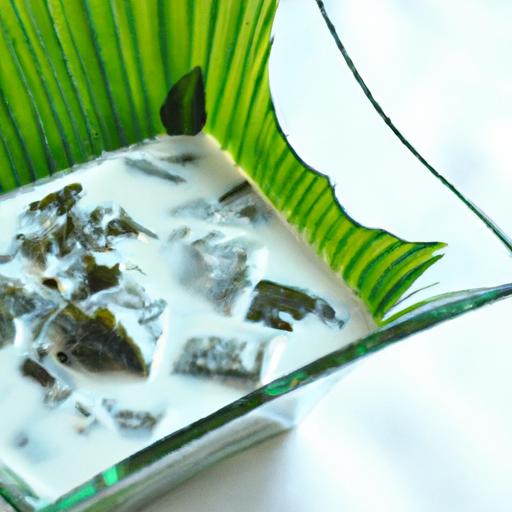

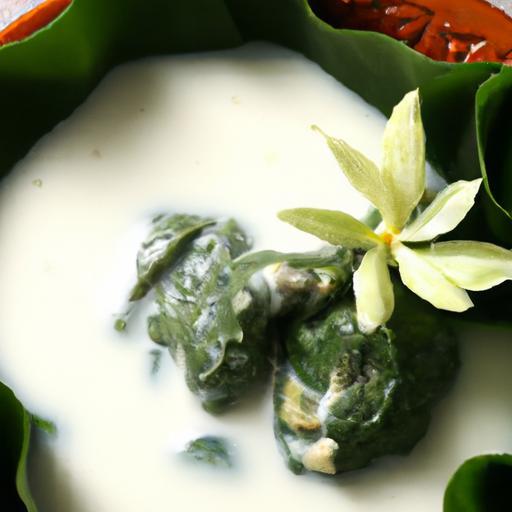
In the lush landscapes of the Philippines, where vibrant flavors meet centuries-old traditions, there exists a dish that embodies comfort and cultural heritage in every velvety spoonful: Laing. This culinary treasure, made from tender taro leaves gently simmered in rich, creamy coconut milk, invites diners on a sensory journey through tropical aromas and earthy tastes. More than just a meal, laing Delight is a testament to the ingenious simplicity of combining local ingredients into a hearty, soulful experience. Join us as we explore the origins, ingredients, and cooking magic behind this beloved Filipino delicacy that turns humble leaves into a luscious celebration of flavor.
Laing Delight, a quintessential Filipino dish, celebrates the humble taro leaf simmered lovingly in a rich, creamy coconut milk base. This beloved stew hails from the Bicol region,known for its bold flavors and fiery use of chili,marrying the earthiness of taro leaves with aromatic spices and creamy coconut milk. As you embark on crafting this recipe, envision the tropical warmth and communal gatherings where Laing Delight ignites joy and comfort in every spoonful.
Prep and Cook Time
- Readiness: 20 minutes
- Cooking: 45 minutes
- Total Time: 1 hour 5 minutes
Yield
Serves 4 generous portions
Difficulty Level
Medium – Requires careful handling and slow simmering for optimal texture and flavor
Ingredients
- 500g dried taro leaves (or fresh young taro leaves, thoroughly washed and dried)
- 2 cups coconut cream (kakang gata or thick coconut milk)
- 1 cup coconut milk (thin coconut milk)
- 200g pork belly, sliced into bite-sized pieces
- 4 cloves garlic, minced
- 1 medium onion, finely chopped
- 3 pieces red bird’s eye chili peppers, sliced thinly (adjust to taste)
- 2 tablespoons shrimp paste (bagoong alamang)
- 1 teaspoon ginger, grated
- 1 tablespoon cooking oil
- Salt and pepper to taste
- Water as needed
Instructions
- Prepare the taro leaves: When using dried taro leaves, soak them in warm water for 10-15 minutes to soften and remove impurities. If using fresh, ensure the leaves are tender and avoid the thick stalks to prevent irritation. Set aside and pat dry gently to prevent excess moisture.
- Sauté aromatics: Heat cooking oil in a deep pot over medium heat. Add minced garlic, chopped onion, and grated ginger. Sauté until fragrant and translucent, about 3-4 minutes.
- Add pork belly: incorporate pork slices and cook until they are lightly browned and the fat begins to render, about 5-7 minutes, stirring occasionally for even color.
- Introduce shrimp paste: Stir in the bagoong alamang and cook for 2 minutes to allow the savory depth to infuse, blending beautifully with the pork and aromatics.
- Combine coconut milk base: Pour in the coconut cream and thin coconut milk.Stir gently to integrate all the flavors. Let it simmer on low heat for 10 minutes, giving time for the fats to meld and create a luscious sauce.
- Add taro leaves and chili: fold the taro leaves carefully into the pot along with sliced bird’s eye chilies. avoid over-stirring to maintain leaf integrity. The heat will gradually soften the leaves without turning them slimy.
- Simmer and season: Cover the pot partially and let the Laing Delight simmer on low heat for 30 minutes, stirring occasionally. Add water if the mixture becomes too dry. Season with salt and pepper to enhance balance.
- Final touches: Towards the last 5 minutes, uncover the pot to reduce excess liquid and thicken the sauce for that signature creamy coating on every leaf.
- Rest and serve: Remove from heat and allow the dish to rest for a few minutes, letting the flavors meld and settle beautifully.
Tips for Success
- When handling taro leaves, avoid contact with your mouth and eyes before cooking, as raw leaves contain calcium oxalate crystals that can sting.
- For added texture and umami, try substituting pork with shrimp or dried fish, or combine them for a richer profile.
- if coconut cream is unavailable, chill canned coconut milk and skim off the thickened cream layer as a substitute.
- Adjust chili levels according to your heat tolerance to keep the dish approachable while retaining its signature kick.
- Make-ahead tip: Laing Delight tastes even better the next day as flavors intensify. Reheat gently on low.
- To prevent the stew from sticking or burning,use a heavy-bottomed pot and stir occasionally during simmering.
Serving Suggestions
Serve your Laing delight steaming hot over a bed of fragrant jasmine rice or garlic fried rice for an authentic Filipino experience. Garnish with freshly sliced red chilies for a vibrant pop of color and a hint of extra heat. A squeeze of calamansi or a side of pickled vegetables adds refreshing brightness that beautifully complements the creamy richness. Pair with grilled fish or crispy pork belly for a complete, indulgent feast.

Nutritional Details (per serving)
| Nutrient | Amount |
|---|---|
| Calories | 370 kcal |
| Protein | 15g |
| Carbohydrates | 10g |
| Fat | 30g |
For a deeper dive into conventional Filipino dishes and their cultural backgrounds, explore our Filipino Classics collection. To understand the health benefits of taro leaves and coconut milk, visit the Healthline nutrition page.
Q&A
Q&A: Exploring Laing Delight – Taro Leaves Simmered in Creamy Coconut Milk
Q1: What is Laing, and where does it originate?
Laing is a beloved Filipino dish hailing from the Bicol region, known for its bold flavors and rich, comforting texture. It features taro leaves slow-cooked in luscious coconut milk, often infused with garlic, chili, and shrimp or fish paste, creating a creamy, spicy, and deeply aromatic experience.
Q2: Why taro leaves? Aren’t they poisonous when raw?
Great question! Taro leaves raw contain calcium oxalate crystals, which can cause irritation if eaten uncooked. However, when properly cooked-like in Laing’s slow simmering process-the toxins are neutralized, and the leaves turn tender and silky, perfect for soaking up the creamy coconut milk.
Q3: What makes the coconut milk ”creamy” in Laing?
The magic lies in extracting fresh coconut milk from grated coconut meat. The first press, called “kakang gata,” is the richest and creamiest, giving Laing its signature velvety texture. As it simmers gently, the coconut milk melds with the spices and taro leaves to create a harmonious, indulgent sauce.
Q4: What spices and seasonings define Laing’s unique flavor?
At its heart, Laing balances the sweetness and creaminess of coconut milk with the punch of garlic, ginger, and onions. Chili peppers add a smoky heat that lingers pleasantly on the palate.Adding bagoong (fermented shrimp paste) or dried fish elevates the umami, grounding the dish in authentic Filipino tradition.
Q5: Can Laing be made vegetarian or vegan?
Absolutely! Simply omit the bagoong or substitute it with soy sauce or mushroom-based seasoning for that umami depth. The star of the dish-the taro leaves and coconut milk-remain deliciously intact, proving that Laing is happily plant-powered.
Q6: How is Laing traditionally served?
Laing is typically enjoyed with steaming white rice,which perfectly balances its rich and spicy nature. It can also accompany grilled meats or seafood, allowing its creamy sauce to complement a variety of flavors while showcasing the humble taro leaf’s versatility.
Q7: Are there variations of Laing?
Indeed! Some versions incorporate meat like pork or shrimp for added texture and flavor. Others experiment with coconut cream rather of milk for a richer taste. regional twists may change the level of spiciness or the inclusion of other local ingredients, making Laing a wonderfully adaptable dish.
Q8: Why try Laing? What makes it a “delight”?
laing captivates with its unique blend of textures-the slight chew of tender taro leaves,the silky warmth of coconut milk,and the zing of spice. It’s a comforting, soulful dish that tells a story of place and tradition, delivering a creamy coconut embrace in every bite. For food lovers seeking something exotic yet comforting,Laing is pure delight.
To Conclude
As the rich aroma of tender taro leaves mingling with creamy coconut milk lingers in the air, Laing Delight stands as a testament to the vibrant flavors and comforting traditions of Filipino cuisine.This humble dish, with its velvety texture and subtle hints of spice, invites both the curious and the seasoned palate to savor a taste of culture steeped in history. Whether enjoyed as a hearty main or a soulful side, Laing offers more than nourishment-it delivers a warm embrace from the lush landscapes of the Philippines, one luscious spoonful at a time. So next time you crave something both exotic and familiar, let the creamy depths of Laing transport you to a world where simple ingredients become a culinary masterpiece.