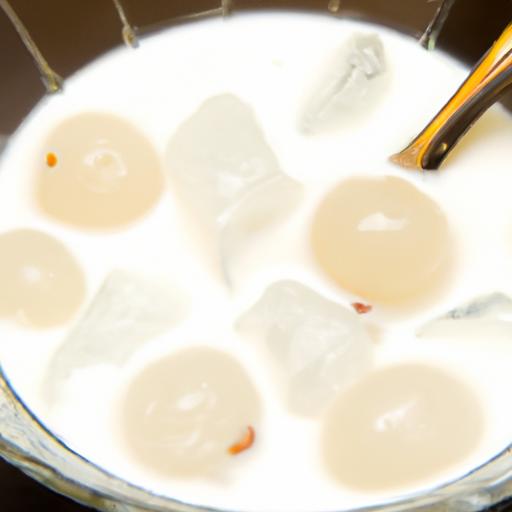

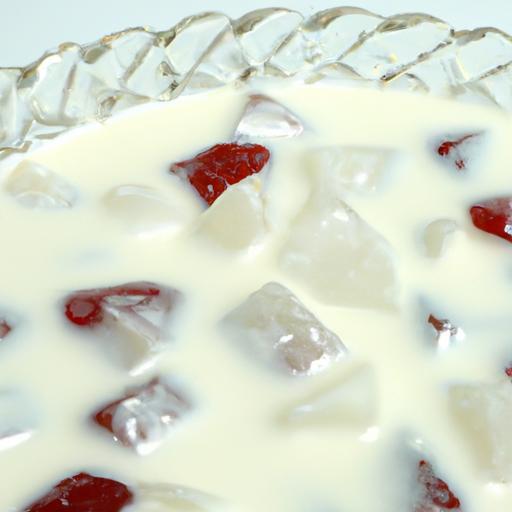
There’s a certain magic in the humble sweetness of Filipino desserts, where tradition meets comfort in every bite. Among these cherished treats, Ginataang Bilo-Bilo stands out as a warm, creamy embrace of flavors and textures-a delightful medley of sticky rice balls, tender fruits, and the rich essence of coconut milk. This iconic dessert not only captures the heart of Filipino cuisine but also invites you into a sensory journey that is both simple and remarkable. In this article, we will explore the art of crafting Ginataang Bilo-Bilo with Coconut, revealing tips and secrets to achieve that perfect harmony of silky coconut cream, chewy bilo-bilo, and natural sweetness. Whether you’re a seasoned cook or a curious foodie, get ready to savor a timeless sweet delight that promises to comfort and charm.
Sweet delight: How to Make Ginataang Bilo-Bilo with Coconut is more than just a comforting dessert-it’s a celebration of Filipino heritage that evokes warmth, family traditions, and the tropical bounty of the islands.Originating from the vibrant provinces of the Philippines, this beloved coconut-infused treat harmonizes chewy sticky rice balls with luscious coconut milk and the natural sweetness of tropical fruits.Growing up, I remember my grandmother stirring the simmering pot as the rich aroma of coconut permeated the air, signaling that a warm, velvety bowl of ginataang bilo-bilo was moments away from being served-a sweet, heartwarming reminder of home and togetherness.
Prep and Cook Time
- Prep Time: 25 minutes
- Cook Time: 30 minutes
- Total Time: 55 minutes
Yield
Serves 6 generous portions
Difficulty Level
Easy to Medium – Perfect even for beginners eager to explore Filipino desserts
Ingredients
- 1 cup glutinous rice flour (for making the sticky rice balls)
- 4 cups fresh coconut milk (or canned, preferably full-fat)
- 1/2 cup small tapioca pearls, rinsed
- 1 cup water
- 1 cup sweet potato, peeled and diced into bite-sized cubes
- 1 cup ripe saba bananas, sliced into 1/2-inch rounds
- 1/2 cup jackfruit strips (optional but conventional)
- 3/4 cup granulated sugar, adjust to taste
- 1/4 teaspoon salt
- 1 teaspoon vanilla extract (optional, enhances aroma)
Step by step Guide to Crafting Velvety Coconut Milk and Tapioca Pearls
- Prepare the Bilo-Bilo (Sticky Rice Balls): In a mixing bowl, gradually add water to the glutinous rice flour, stirring until a soft, pliable dough forms. Pinch off small portions and roll them between yoru palms into marble-sized balls. Set aside on a clean plate dusted with a little rice flour to prevent sticking.
- Cook the Tapioca Pearls: In a pot, bring 1 cup of water to a boil. Add the rinsed tapioca pearls and cook until they turn translucent with a tiny white dot in the center, about 10-12 minutes. Stir occasionally to prevent clumping. Drain and rinse under cold water. Set aside.
- Simmer the Sweet Potato: In a medium saucepan,pour 4 cups of coconut milk and bring to a gentle simmer over medium heat. Add the diced sweet potatoes along with the sugar and salt. Stir to dissolve the sugar. Cook until the sweet potatoes are tender but not mushy, about 10-12 minutes.
- Add the Sticky Rice balls: Gently drop the prepared bilo-bilo into the simmering coconut milk mixture.Stir slowly and cook until the rice balls float to the surface, signaling they are cooked through (around 5-7 minutes).
- Combine the Tapioca and fruits: Add the cooked tapioca pearls, sliced saba bananas, and jackfruit strips to the pot. Simmer for another 3-5 minutes to let the flavors meld.Stir gently to avoid breaking the fruits or sticky balls.
- Finish with Vanilla Extract: Remove from heat and stir in vanilla extract for a fragrant note that rounds out the dessert.
- Rest and Serve: Let the Sweet Delight: How to Make Ginataang Bilo-Bilo with coconut cool slightly before serving warm or at room temperature for the best, comforting experience.
Expert Tips for Enhancing Flavor and Achieving the Ideal Texture
- Use fresh, mature coconuts when possible to yield the creamiest, most authentic flavor; if canned, always opt for full-fat coconut milk without added preservatives.
- When forming the sticky rice balls, keep your hands damp to make rolling smooth and prevent the dough from sticking to your fingers.
- Control the texture of tapioca pearls by cooking them just until translucent; overcooking can make them gluey.
- Sweet potato adds a natural earthy sweetness and texture contrast-feel free to experiment with taro or purple yam for color and flavor variations.
- Adjust sugar gradually; the natural sweetness of ripe saba bananas and jackfruit can reduce the need for excess sugar.
- For a luscious twist, add a tablespoon of evaporated milk just before serving, enriching the coconut base.
Serving Suggestions
Serve this Sweet Delight: How to Make Ginataang Bilo-Bilo with Coconut in deep bowls, garnished with slivers of toasted coconut or a sprinkle of freshly crushed roasted peanuts for added texture. Pair with a hot cup of Filipino tsokolate or a refreshing calamansi juice to balance the richness. this dessert shines best fresh but can be refrigerated for up to 2 days-simply reheat gently to revive its silky consistency.
| Nutrient | Per Serving |
|---|---|
| Calories | 280 kcal |
| Protein | 3 g |
| Carbohydrates | 45 g |
| Fat | 8 g |
Discover more Filipino desserts and how to create authentic tropical flavors
For in-depth information on the nutritional benefits of coconut milk, visit Harvard T.H. Chan School of Public Health.

Q&A
Q&A: Sweet Delight – How to Make Ginataang Bilo-Bilo with Coconut
Q1: What is Ginataang Bilo-Bilo?
A1: ginataang Bilo-Bilo is a beloved Filipino dessert that literally means ”glutinous rice balls in coconut milk.” It’s a comforting, warm sweet stew made from sticky rice balls, coconut milk, and an assortment of tropical fruits and root crops like plantains, sweet potatoes, and sometimes jackfruit. The combination of chewy,soft textures and the creamy,sweet coconut broth creates a delightful treat that’s perfect for any occasion.
Q2: why is coconut milk essential in this recipe?
A2: Coconut milk is the heart and soul of Ginataang Bilo-Bilo. Its rich, creamy texture infuses the dish with a luscious sweetness and tropical aroma. It acts as the base that ties all the ingredients together, balancing the chewiness of the glutinous rice balls and the natural sweetness of the fruits and tubers. Without coconut milk, the dish would lose its signature warmth and depth of flavor.
Q3: What ingredients do I need to make authentic Ginataang Bilo-Bilo?
A3: You’ll need glutinous rice flour (to make the chewy rice balls), coconut milk (fresh or canned), water, sugar (typically white or brown sugar), and an assortment of fruits and tubers. Common additions include ripe saba bananas (a type of cooking banana), sweet potatoes, taro, and jackfruit. Some recipes also call for pandan leaves to add a fragrant note, and a pinch of salt to enhance the flavors.
Q4: How do you make the perfect bilo-bilo (rice balls)?
A4: The rice balls are made by mixing glutinous rice flour with a bit of water to form a soft but not sticky dough. Roll portions of this dough into small, bite-sized balls-about the size of marbles. The key is to ensure they’re uniform to cook evenly. When boiled in the coconut milk mixture, they puff up slightly and develop a chewy, tender texture that’s irresistible.
Q5: Can Ginataang Bilo-Bilo be served hot and cold?
A5: Absolutely! Traditionally, Ginataang Bilo-Bilo is served warm, especially comforting on a rainy day or as a hearty snack. However, many enjoy it chilled as well, like a tropical coconut dessert soup that refreshes in warmer climates. Whether hot or cold, it retains its creamy, sweet character, making it versatile and delightful any time.
Q6: Are there variations to the traditional recipe?
A6: Definitely! Regional and personal preferences mean Ginataang Bilo-bilo comes in many delightful forms. Some add pearl sago for extra chewiness, others include sweet corn or even purple yam (ube) for vibrant color and flavor. Vegan variations simply omit any added dairy (most don’t use dairy anyway) or choose natural sweeteners like palm sugar. The beauty lies in its adaptability to your palate and pantry.
Q7: What tips can help me avoid common pitfalls when making Ginataang Bilo-Bilo?
A7: To avoid common mishaps:
- Stir gently but continuously once the coconut milk is added to prevent curdling. Coconut milk is delicate and can separate if boiled too vigorously.
- Don’t overcook the rice balls; they should remain chewy, not mushy or falling apart.Test by tasting a single ball as you cook.
- Adjust sweetness carefully; start with less sugar and add more to taste as the flavors develop.
- Use fresh ingredients for the best aroma and taste, especially fresh coconut milk and ripe saba bananas.
Q8: Why is Ginataang Bilo-Bilo a meaningful dessert in Filipino culture?
A8: Beyond its deliciousness, Ginataang Bilo-Bilo carries cultural meaning as a homey, comforting dish often shared during family gatherings and festive occasions. It reflects the Philippines’ rich agricultural bounty, highlighting native fruits and tubers. Its warm, hearty nature symbolizes hospitality and the sweetness of togetherness, making it more than just a dessert-it’s a celebration in a bowl.
With this Q&A,you’re ready to dive into the sweet world of Ginataang Bilo-Bilo-a creamy,chewy,coconut-infused delight that envelops the heart as much as the taste buds. Happy cooking!
Insights and Conclusions
As the rich aroma of simmering coconut milk and tender glutinous rice balls fills your kitchen, you’re not just crafting a dessert-you’re creating a sweet tradition that warms both heart and soul. Ginataang Bilo-bilo is more than a dish; it’s a celebration of texture and flavor that brings people together. Armed with this guide, you’re ready to transform simple ingredients into a comforting bowl of Filipino delight. So go ahead, embrace the creamy, chewy magic of ginataang bilo-bilo, and let each spoonful transport you to tropical afternoons and cozy family gatherings. Sweet delight has never been so accessible-or so irresistible.