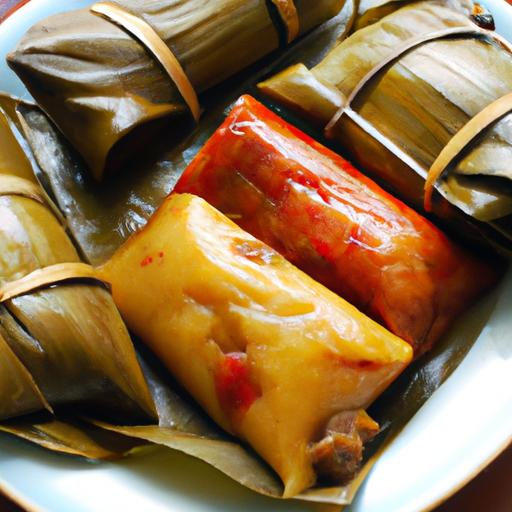

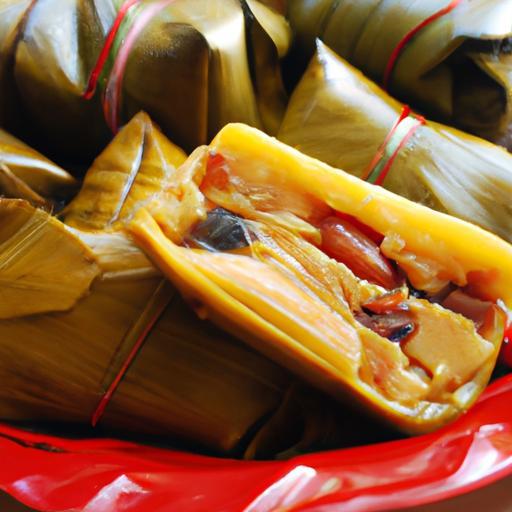
In teh heart of Venezuelan kitchens, where tradition simmers alongside family stories, the hallaca reigns supreme-a festive treasure wrapped in vibrant plantain leaves, bursting with a symphony of flavors that tell the tale of a rich cultural heritage. Often described as Venezuela’s beloved tamale, the hallaca is far more than a simple dish; it is a culinary tapestry woven from indigenous roots, Spanish influences, and African spices. In this article, we unwrap the secrets of an authentic hallacas recipe, inviting you to embark on a sensory journey that goes beyond the plate-where every ingredient, every fold, carries the warmth of Venezuelan holiday celebrations and the spirit of togetherness. Get ready to dive deep into the art of crafting hallacas, where tradition and taste unite in delicious harmony.
Authentic Hallacas Recipe: Venezuelan Tamales Unwrapped brings the rich flavors of Venezuela’s beloved holiday tradition to your kitchen. This dish, steeped in history and festive celebrations, unites families through the art of slow readiness and vibrant ingredients. From sourcing the freshest components to mastering the delicate wrapping techniques, every step unveils a connection to heritage and an explosion of taste.
Prep and Cook Time
- Preparation: 3 hours (includes dough and filling preparation)
- Cooking: 1 hour (steaming time)
- Total: 4 hours
Yield
Approximately 20 hallacas (serves 8-10 people, depending on portion size)
Difficulty Level
Advanced: This conventional recipe requires patience and attention to detail but rewards you with unmatched flavor and authenticity.
Ingredients
-
- For the Dough:
- 5 cups pre-cooked cornmeal (harina precocida)
- 4 cups warm water infused with achiote oil
- 1 cup achiote oil (oil infused with annatto seeds)
- 1 teaspoon salt
- 1 tablespoon sugar
- Banana leaves or parchment paper for wrapping
- For the Filling:
- 1 lb beef brisket, finely shredded
- 1 lb pork shoulder, finely shredded
- 1 lb chicken breast, shredded
- 4 green onions, thinly sliced
- 2 cloves garlic, minced
- 2 large onions, diced
- 1 cup green bell pepper, diced
- 1/2 cup red bell pepper, diced
- 1/2 cup tomato sauce
- 1/2 cup diced green olives with pimentos
- 1/4 cup raisins
- 1/2 cup capers
- 1 teaspoon ground cumin
- 1 teaspoon black pepper
- Salt to taste
- 2 tablespoons vegetable oil
- 3 hard-boiled eggs, sliced (for garnish)
- For the Dough:
Instructions
-
-
- Prepare the Achiote oil: Warm 1 cup of vegetable oil. Add 2 tablespoons of annatto seeds and simmer on low heat for 5-7 minutes until oil turns a deep orange. Strain and set aside.
- Make the Dough: In a large bowl, combine the pre-cooked cornmeal with warm water infused with the achiote oil, salt, and sugar. knead thoroughly until smooth and pliable. Cover and let rest for 30 minutes while preparing the filling.
- prepare the Filling: Heat 2 tablespoons of vegetable oil in a large pan over medium heat. Sauté onions, green onions, garlic, and bell peppers until tender and fragrant, about 5 minutes.
- Combine Meats: Add shredded beef, pork, and chicken to the sautéed vegetables. Stir in tomato sauce, cumin, black pepper, salt, raisins, olives, and capers. Simmer gently for 15-20 minutes, allowing flavors to meld while stirring occasionally.
- Prepare Wrapping Materials: Soften banana leaves by passing them quickly over an open flame or steaming them until pliable. Cut into 12×12 inch squares and wipe clean.
- Assemble Hallacas: Spread a generous spoonful of dough into a thin circle on the center of a banana leaf. Add a heaping spoonful of filling in the middle.Top with a slice of hard-boiled egg and a few olives if desired.
- Wrap and Tie: Fold the banana leaf corners over the filling, creating a neat rectangular bundle. Secure the hallaca tightly with kitchen twine, ensuring the filling is well enclosed.Repeat until all dough and filling are used.
- Cook the Hallacas: Bring a large pot of salted water to a gentle boil. Submerge wrapped hallacas and cook for 1 hour, turning occasionally to cook evenly. Drain and allow to rest for 15 minutes before unwrapping.
-
Tips for Success
-
-
- Infuse the oil carefully: Achieving the vibrant red-orange hue from annatto seeds is key to authentic flavor and color. Be patient to get a rich infusion.
- Dough texture: The dough must be firm enough to hold together but moist; adjust warm water gradually.
- Shred meats finely: This ensures every bite is tender and the flavors meld beautifully within the filling.
- Wrapping: Use fresh banana leaves, gently warmed to avoid cracks. Overlapping thinner leaves gives extra support.
- Make ahead: Hallacas freeze well uncooked. Prepare and store wrapped hallacas in the freezer for up to 1 month; cook directly from frozen, increasing cooking time by 20 minutes.
-
serving Suggestions
Serve hot, directly unwrapped from the banana leaves for an authentic presentation. Complement your hallacas with a simple side of black beans, white rice, and a fresh avocado salad. Garnish with additional sliced hard-boiled eggs, olives, and a drizzle of salsa criolla-a tangy Venezuelan condiment-to brighten the dish. A cold lager or a refreshing chicha de arroz pairs beautifully to balance the richness.
| Nutrient | Per Serving (1 Hallaca) |
|---|---|
| Calories | 350 kcal |
| Protein | 18 g |
| Carbohydrates | 30 g |
| Fat | 15 g |
For additional Latin American holiday recipes, discover our collection of authentic dishes.To deepen your understanding of Venezuelan culinary traditions, visit National Geographic’s feature on Hallacas.

Q&A
Q&A: Authentic Hallacas Recipe – Venezuelan tamales Unwrapped
Q1: What exactly are hallacas, and why are they so beloved in Venezuela?
A1: Hallacas are a traditional Venezuelan dish often described as tamales’ festive cousin. Wrapped in plantain leaves and bursting with a savory, complex stew inside a cornmeal dough, they are much more than food-they’re a symbol of family, culture, and celebration, especially during Christmas.Each hallaca tells a story of Venezuela’s rich culinary heritage, blending indigenous, Spanish, and African influences.
Q2: What sets hallacas apart from other tamales across Latin America?
A2: Unlike many tamales that rely on a single filling, hallacas boast a meticulously prepared “guiso” – a richly seasoned mixture of beef, pork, chicken, olives, raisins, and capers. This contrasts with simpler fillings elsewhere. Plus, hallacas are traditionally wrapped in plantain leaves, giving them a subtle earthy aroma, whereas other tamales often use corn husks.
Q3: What are the key ingredients needed for an authentic hallaca?
A3: The magic starts with masa-a cornmeal dough enriched with achiote oil for that stunning golden hue and subtle flavor. The star of the show is the guiso: a stew made from a blend of meats (usually beef, pork, and chicken), sautéed with onions, bell peppers, garlic, and a mix of spices. Embellishments like green olives, raisins, and capers add a sweet-salty spark.the whole package is wrapped in tender plantain leaves and tied with string.
Q4: How difficult is it to make hallacas, and how long does the process take?
A4: Making hallacas is a labor of love-it’s time-consuming but incredibly rewarding. From preparing the guiso, to crafting the masa, to carefully assembling and wrapping each hallaca, the process often spans an entire day or even a weekend gathering. However, this communal cooking tradition doubles as family bonding time, where stories, laughter, and recipes are passed down.
Q5: Can hallacas be made ahead of time, and how do you store them?
A5: Absolutely! Hallacas actually improve after resting, allowing the flavors to meld and deepen. After wrapping, they can be boiled instantly or refrigerated for a day or two. For longer storage, freeze them wrapped tightly, then reheat by boiling or steaming. This makes them perfect for holiday prep well in advance.
Q6: Are there regional variations in hallaca recipes across Venezuela?
A6: Indeed, every Venezuelan region-and even family-has its cherished twist. Some use different combinations of meats, others add unique spices or nuts, while some replace raisins with dried fruits or swap olives for capers. The wrapping leaves or tying styles might also differ, showcasing the diversity of this comfort food.Q7: What’s the best way to enjoy hallacas when they’re ready?
A7: Hallacas are traditionally enjoyed hot, unwrapped from their leaf encasing, revealing the colorful mosaic inside. They pair wonderfully with a side of fresh sliced onions marinated in vinegar (known as “ensalada de cebolla”), and a splash of black pepper. Served alongside a tropical fruit punch or a cup of Venezuelan coffee,each bite is a festive celebration of flavors and history.
Q8: Can hallacas be adapted for vegetarians or modern palates?
A8: While hallacas are rooted in meat and rich fillings, creative cooks have embraced vegetarian versions using mushrooms, eggplant, or legumes in place of meat, and still layering in the traditional olives, raisins, and capers.The masa and wrapping remain the same, preserving the essence of the hallaca experience while offering a plant-based twist.
Q9: Why is making hallacas considered an act of cultural preservation?
A9: As hallacas encapsulate Venezuelan identity-each step honors ancestral cooking methods, seasonal rituals, and familial connections. Sharing hallacas reinforces heritage, fosters community, and keeps a centuries-old tradition alive, especially for younger generations and Venezuelan diasporas worldwide.
Q10: Where can someone new to Venezuelan cuisine start if making hallacas feels overwhelming?
A10: Start small-try mastering the guiso sauce or masa dough separately before tackling the full assembly. Watching video tutorials or joining community cooking workshops can help demystify the process. And remember,hallacas are imperfectly perfect; the love and effort put into making them is what truly counts. Soon, you’ll unwrap not just tamales, but stories and memories too.
In Conclusion
As you fold each leaf and seal in the vibrant medley of flavors, you’re not just preparing a meal-you’re embracing a rich Venezuelan tradition steeped in history and heart. Hallacas are more than tamales; they’re stories wrapped in corn dough, festive gatherings captured in every bite. Whether you’re sharing them with family around the table or savoring a taste of Venezuela far from home, this authentic recipe invites you to unwrap not just food, but culture, community, and a season of celebration. So go ahead-dive into the dance of spices, textures, and memories that hallacas bring, and let each mouthful transport you to the vibrant spirit of Venezuela.