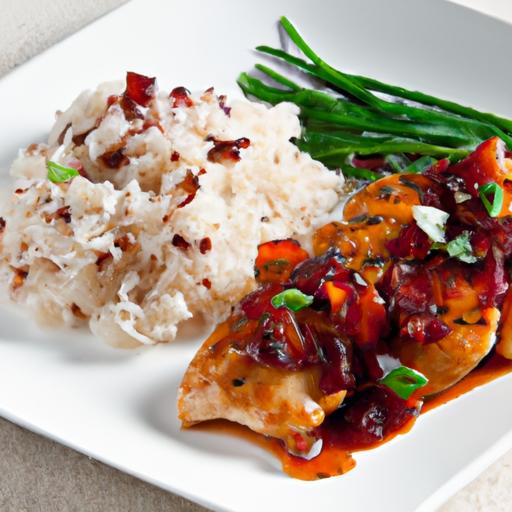

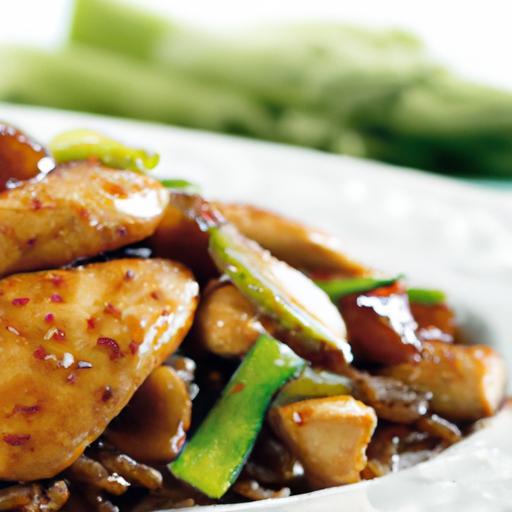
there’s a certain magic in the dance of flavors that makes sweet and sour chicken an enduring favorite across kitchens worldwide. That irresistible balance of tangy zest and subtle sweetness, paired with tender, crispy chicken, paints a culinary masterpiece on your palate with every bite.In this article, we’ll unlock the secrets to mastering the perfect sweet and sour chicken recipe-guiding you step-by-step to achieve that glossy, vibrant sauce and the ideal harmony of textures. whether you’re a seasoned home cook or an adventurous beginner, get ready to transform your next meal into a tangy delight that will have everyone asking for seconds.
understanding the Balance of Flavors in Sweet and Sour Chicken
Sweet and sour chicken is a beloved dish that harmonizes contrasting tastes, creating a tantalizing explosion of flavor in every bite. Mastering the sweet and sour chicken recipe means striking the perfect balance between fruity sweetness and bright tanginess, with a hint of savory depth and subtle heat that excites the palate without overwhelming it. Achieving this balance starts with carefully selecting ingredients that complement one another and understanding how they interact during cooking.
Choosing the Right ingredients for Authentic Tanginess
Authenticity in tanginess comes from the fusion of quality ingredients that deliver a natural, vibrant acidity without artificial aftertastes. Freshly squeezed pineapple juice or canned pineapple chunks bring a gentle fruity tartness, while rice vinegar offers that crisp, clean sourness that’s lighter and less harsh than distilled white vinegar. balancing these with the mellow sweetness of brown sugar or honey creates a luscious glaze that clings beautifully to the chicken. Don’t underestimate the power of soy sauce for umami and a touch of saltiness, grounding the flavor profile. For a subtle warming note, a splash of ginger or garlic zest and powder will add aromatic layers that elevate the overall taste complexity.
Step by Step Guide to Crispy and Juicy Chicken Perfection
Getting that delectably crisp exterior while retaining juicy, tender chicken inside is an art and science combined. Start with bite-sized boneless chicken thighs or breasts, which have enough fat to stay moist under high heat. A light dusting of cornstarch mixed with a little flour creates the ideal crispy coating that fries into a golden shell. Marinating the chicken briefly in a mixture of soy sauce, a dash of salt, and pepper infuses deeper flavor.
- Prepare the chicken: Cut into 1.5-inch pieces and pat dry for a perfect crust.
- Coat evenly: Toss in a blend of 1 cup all-purpose flour and 3 tablespoons cornstarch, seasoned with salt and pepper.
- Heat oil: Use a neutral oil with a high smoke point like vegetable or peanut oil, heating to 350°F (175°C).
- Fry in batches: Avoid overcrowding to maintain oil temperature, frying until golden and crispy, about 4-5 minutes per batch.
- Drain: Place on a paper towel-lined rack to absorb excess oil while keeping crisp.
Expert Tips to Elevate Your Sweet and sour Sauce Game
The sauce is the soul that transforms crispy chicken into a glossy, tangy masterpiece. Start by combining pineapple juice, rice vinegar, ketchup (for color and mild sweetness), brown sugar, and soy sauce in a small saucepan. Simmer gently and whisk in a slurry of cornstarch and cold water to achieve a silky texture. Adjust sweetness or sourness by adding small increments-this is where tasting makes the magic happen!
For complexity, consider blending in finely minced garlic and fresh ginger during the simmer stage. Adding diced pineapple and bell peppers right before finishing adds vibrant texture and a pop of freshness. Remember, the sauce should cling to your chicken like a glossy, flavorful hug-not drown it.
Prep and Cook Time
- Preparation: 20 minutes
- Marinating: 15 minutes (optional)
- Cooking: 15 minutes
- Total Time: 50 minutes
Yield
serves 4 generous portions
Difficulty Level
Medium - Perfect for home cooks ready to elevate their chicken dishes with a refined sauce balance and crispy texture
Ingredients
- 1 lb boneless chicken thighs, cut into 1.5-inch pieces
- 1 cup all-purpose flour, sifted
- 3 tablespoons cornstarch
- Salt and freshly ground black pepper, to taste
- Vegetable oil for frying (about 2-3 cups)
- ½ cup pineapple juice (from canned or fresh)
- ¼ cup rice vinegar
- ¼ cup ketchup
- ⅓ cup brown sugar, packed
- 2 tablespoons soy sauce
- 1 teaspoon grated fresh ginger
- 2 garlic cloves, minced
- 1 tablespoon cornstarch mixed with 2 tablespoons cold water (slurry)
- ⅓ cup diced pineapple chunks (optional)
- ½ cup diced red and green bell peppers (optional)
Instructions
- Marinate the chicken: In a bowl, season chicken pieces with salt, pepper, and 1 tablespoon soy sauce. Let rest for 15 minutes if time allows.
- Mix the coating: In a shallow dish, combine flour, cornstarch, salt, and pepper.
- coat the chicken: Dredge each piece in the flour mixture, shaking off excess to ensure an even light layer.
- Heat oil: In a deep skillet or wok, heat oil to 350°F (175°C). Use a thermometer for accuracy.
- fry chicken: Cook chicken pieces in batches, avoiding crowding, until golden and crispy (about 4-5 minutes). Transfer to a wire rack over paper towels.
- Prepare sauce: In a saucepan, combine pineapple juice, rice vinegar, ketchup, brown sugar, remaining soy sauce, grated ginger, and minced garlic. Bring to a gentle simmer.
- Thicken sauce: Stir the cornstarch slurry and slowly whisk it into the simmering sauce. Cook until glossy and thickened, about 2 minutes.
- Add veggies and fruit: Stir in pineapple chunks and bell peppers,cooking for an additional 2 minutes until tender yet crisp.
- Combine and serve: Toss crispy chicken pieces in the hot sauce just before serving so they stay perfectly crunchy.
Tips for Success
- use chicken thighs for juicier, more flavorful results; breasts work but can dry out faster.
- Pat chicken dry before coating to ensure maximum crispiness.
- Don’t overcrowd the pan when frying to maintain oil temperature and prevent sogginess.
- Taste and adjust the sauce-add a splash more vinegar if you prefer tangier; more sugar for sweetness.
- Make ahead: Prepare sauce and chicken separately, then combine right before serving for best texture.
- Substitutions: Use apple cider vinegar if rice vinegar is unavailable; jaggery or white sugar can substitute brown sugar.
Serving Suggestions
Serve your sweet and sour chicken over a bed of fragrant jasmine or basmati rice to soak up every drop of sauce. garnish with vibrant slices of green onions, toasted sesame seeds, and a sprinkle of freshly chopped cilantro for color and freshness. Pair with steamed bok choy or sautéed snap peas for a balanced plate with contrasting textures and colors.

| Nutrient | Per Serving |
|---|---|
| Calories | 420 kcal |
| Protein | 33 g |
| Carbohydrates | 40 g |
| Fat | 12 g |
For more classic Asian-inspired recipes, check out our Crispy General Tso’s Chicken Recipe. For deeper insights into vinegar varieties and their culinary uses, visit Healthline’s Vinegar Guide.
Q&A
Q&A: Tangy Delight – Master the Perfect Sweet and Sour Chicken Recipe
Q1: What makes sweet and sour chicken so irresistibly delicious?
A1: It’s all about the magical balance of flavors! Sweet and sour chicken masterfully combines crispy, tender chicken with a luscious sauce that’s both tangy and sweet. The dance between acidity and sugar awakens your taste buds and creates an unforgettable flavor experience that’s both comforting and exciting.
Q2: Can you describe the ideal texture for sweet and sour chicken?
A2: Picture this: succulent chicken pieces coated in a golden, crunchy batter that holds up perfectly under a glossy, thick sauce. The contrast between the crispy exterior and the juicy interior is what gives this dish its crave-worthy appeal. The sauce should cling lovingly to each bite, ensuring every mouthful is bursting with flavor.
Q3: What key ingredients are essential for an authentic sweet and sour sauce?
A3: The secret lies in a harmonious blend of vinegar for tang, sugar or honey for sweetness, and ketchup or tomato paste for depth and a vibrant color. Soy sauce adds a savory backbone, while pineapple juice often brings a fruity brightness. Cornstarch thickens the sauce to a silky finish that coats the chicken perfectly.
Q4: How can I make my chicken extra crispy without deep frying?
A4: No deep fryer? No problem! Coat the chicken pieces in a light layer of cornstarch or flour, then pan-fry them in a generous amount of oil until golden brown and crisp. Using a hot pan and avoiding overcrowding helps maintain that coveted crunch. For a healthier twist, bake the coated chicken on a wire rack to let the heat circulate evenly.
Q5: Are there any creative twists to elevate a customary sweet and sour chicken?
A5: Absolutely! Add bell peppers, pineapple chunks, or even finely diced carrots for extra color and texture. for an umami boost, include a splash of fish sauce or a sprinkle of toasted sesame seeds.Feeling adventurous? Infuse the sauce with a hint of ginger or garlic to add warmth and complexity.Q6: how do I prevent the sauce from turning watery or too thick?
A6: Balance is key. Use the right amount of cornstarch slurry (cornstarch mixed with cold water) to thicken slowly while simmering the sauce. Stir continuously and remove from heat as soon as it reaches a glossy, nappe-like consistency. Avoid over-thickening or simmering too long,which can dilute flavors or turn the sauce gummy.
Q7: What sides pair best with sweet and sour chicken for a full meal?
A7: Steamed jasmine rice or fried rice makes the perfect canvas, soaking up every drop of that zesty sauce.Light stir-fried vegetables or a crisp Asian slaw add fresh crunch and balance. For a heartier bite, pair with egg rolls or dumplings for an authentic, satisfying feast.
Q8: Can sweet and sour chicken be made ahead and reheated without losing its magic?
A8: Yes, but timing is crucial! Keep the chicken and sauce separate until just before serving to preserve the crispiness. Reheat the sauce gently on the stove, then toss in freshly reheated chicken pieces to combine. This way, every bite stays flavorful and delightfully crunchy, just like freshly made.
Mastering sweet and sour chicken is a journey of balancing flavors, textures, and techniques.With these tips, you’re ready to create your own Tangy Delight that will have everyone asking for seconds!
In retrospect
As you’ve discovered, mastering the perfect sweet and sour chicken is more than just mixing a few ingredients-it’s about balancing bold flavors and textures to create a dish that dances on your palate. With the tangy glaze clinging to each crispy bite, you’re not just cooking; you’re crafting a culinary delight that brings warmth and excitement to any table. So next time you crave that irresistible combination of sweet and sour, remember this recipe as your go-to guide-because great flavors, much like great moments, are meant to be savored and shared. Happy cooking!