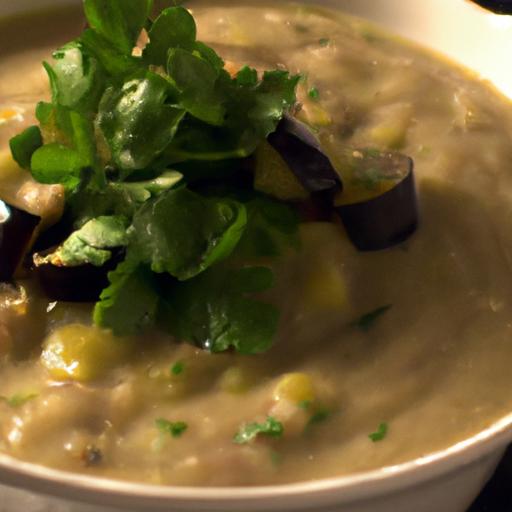

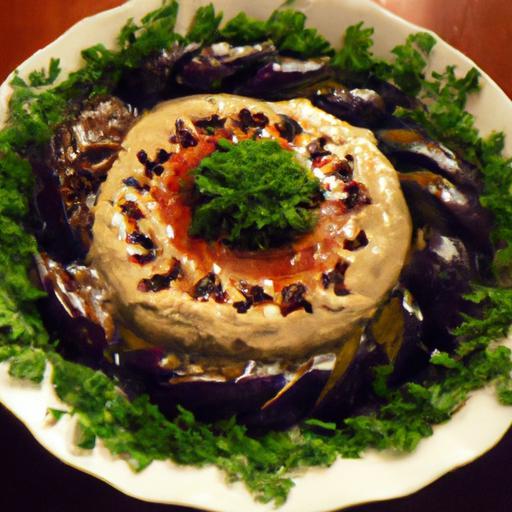
In the vast tapestry of Persian cuisine, where each dish tells a story woven with history, culture, and flavor, kashk-e Bademjan stands out as a masterpiece of culinary artistry.This humble yet enchanting eggplant dip is more than just a starter-it is indeed a party of the fertile lands, ancient traditions, and the alchemy of simple ingredients transformed into a symphony of taste. From the velvety char of roasted eggplants to the tangy depth of kashk, a fermented whey that lends its signature tang, Kashk-e Bademjan invites food lovers on a journey through time and terroir.Join us as we unravel the secrets behind this iconic Persian delicacy, exploring its origins, its essential components, and the techniques that elevate the ordinary into the exceptional. Welcome to the art of Kashk-e Bademjan-where every bite is a story, and every story is a feast.
Kashk-e Bademjan is a culinary treasure that perfectly captures the essence of Persian cuisine – a harmonious balance of smoky, tangy, and creamy flavors that has delighted palates for centuries. Originating from Iran’s rich and diverse food heritage, this customary eggplant dip owes its fame not only to its exquisite taste but also to its cultural symbolism as a warm, welcoming dish often served during family gatherings and celebrations. The depth of flavor achieved by combining roasted eggplants with fermented whey (kashk), garlic, and caramelized onions creates a multidimensional experience that promises comfort and authenticity in every bite.
Prep and Cook Time
- Preparation: 20 minutes
- Cooking: 40 minutes
- Total Time: 1 hour
Yield
Serves 6 as an appetizer or side dish
difficulty Level
Medium – Perfect for home cooks looking to master authentic Persian flavors
Ingredients
- 3 medium eggplants (about 1.2 lbs), roasted and peeled
- 1 cup kashk (fermented whey), diluted with ¼ cup water
- 1 large onion, finely sliced
- 3 cloves garlic, minced
- 2 tablespoons dried mint, crushed
- ½ teaspoon turmeric powder
- salt and black pepper, to taste
- 4 tablespoons vegetable oil (or olive oil)
- 1 tablespoon walnuts, crushed (optional, for garnish)
- 1 tablespoon butter (optional, for richness)
Instructions
- Roast the eggplants: Prick the eggplants with a fork and roast them whole over an open flame or under a broiler until the skin chars and the flesh becomes very soft (about 20-25 minutes). For a smoky aroma, rotate regularly. Allow to cool,then peel off the skin and finely mash the flesh. Drain any excess liquid for a thicker dip.
- Sauté the onions: In a medium skillet, heat 3 tablespoons of oil over medium heat. Add the sliced onions and a pinch of salt, cooking until golden brown and caramelized (about 15-18 minutes), stirring occasionally to avoid burning.
- flavor the garlic and turmeric: Lower the heat and add minced garlic and turmeric powder to the onions. Sauté gently for 2 minutes until fragrant, being careful not to brown the garlic.
- Combine eggplant and sautéed mixture: Transfer the mashed eggplant into the skillet with the onion and garlic mixture. Stir thoroughly to incorporate all ingredients evenly.
- Add the kashk and spices: Pour in the diluted kashk and sprinkle in the crushed dried mint. Season with salt and pepper according to your taste. Mix well and allow the dip to simmer gently for 5-7 minutes, letting the flavors meld together.
- Finish with butter and garnish: If desired, stir in a tablespoon of butter to add silkiness. Transfer the dip to a serving dish and garnish with a drizzle of kashk, crushed walnuts, and a sprinkle of dried mint for vibrant color and texture contrast.
Tips for Success
- Eggplant selection: Choose medium-sized eggplants for optimal smokiness and creaminess.
- Roasting method: open-flame roasting truly enhances the authentic flavor,but a hot oven broiler or grill works well too.
- Kashk substitute: If kashk is unavailable,try a blend of Greek yogurt mixed with a splash of lemon juice and a pinch of salt to mimic the tangy creaminess.
- Make ahead: This dip tastes even better after resting overnight in the refrigerator. Serve chilled or gently warmed.
- Texture adjustment: Drain excess moisture from eggplant to prevent a watery dip; mash thoroughly for a luscious consistency.
Serving Suggestions
Kashk-e Bademjan shines when paired with warm, fluffy Persian barbari bread or pita. Create an inviting mezze platter by serving it alongside fresh herbs like mint and parsley, crunchy radishes, and crisp cucumber slices. Drizzle extra kashk and a splash of fragrant olive oil on top just before serving to elevate the visual appeal. This dip also complements grilled meats or roasted vegetable dishes beautifully, providing a creamy counterbalance to spiced flavors.
| Nutrient | Per Serving |
|---|---|
| Calories | 140 kcal |
| Protein | 6 g |
| Carbohydrates | 12 g |
| Fat | 8 g |

For those eager to dive deeper into Persian appetizers, check out our Persian Dip Collection. Plus,explore the science behind fermentation and whey-based ingredients at Science Daily.
Q&A
Q&A: Kashk-e Bademjan – The Art of Persian Eggplant Dip Revealed
Q1: What exactly is Kashk-e Bademjan, and why is it so beloved in Persian cuisine?
Kashk-e Bademjan is a luscious Persian eggplant dip that beautifully marries smoky roasted eggplants with the tangy, fermented dairy product known as kashk. This dip is much more than just a starter-it’s a tribute to Persian culinary artistry, offering layers of flavor that dance between creamy, savory, and slightly tart. Its beloved status arises from its comforting textures,complex tastes,and the way it gently tells the story of Persian food heritage in every bite.Q2: What role does kashk play in this dish, and how does it differ from other dairy products?
Kashk is a fermented whey product that adds a distinctive tangy and slightly sour note to the dish. unlike yogurt or sour cream, kashk brings a deep umami richness and a subtle earthiness thanks to its fermentation process. It’s the secret ingredient that elevates the dip from simply eggplant and garlic to an unforgettable symphony of flavors, providing depth and a creamy finish that lingers delightfully on the palate.
Q3: Can you describe the traditional way to prepare Kashk-e bademjan?
Traditionally, the eggplants are first charred over an open flame or roasted until their skins are blackened and the flesh melts to silky softness. the smoky eggplants are then peeled and mashed by hand, retaining some texture to create an inviting bite.Sautéed onions and garlic infuse the mix with sweetness and aroma, while kashk is stirred in to bring tang and creaminess. The final flourish frequently enough includes fried mint, garlic chips, or crushed walnuts sprinkled on top-each adding fresh, crunchy, and fragrant notes.Q4: How does Kashk-e Bademjan reflect the cultural and historical essence of Persian cooking?
This dip is a culinary storyteller-rooted in the ancient traditions of Persia, it reflects the balance and harmony Persian cuisine champions. The combination of smoky, creamy, tangy, and herbal elements highlights the Persian palate’s fondness for complex, layered flavors. Additionally, the use of simple, local ingredients transformed through meticulous technique speaks to a history of resourcefulness, hospitality, and reverence for natural tastes.
Q5: Are there modern twists or variations on Kashk-e Bademjan that are gaining popularity?
Absolutely! Contemporary chefs and home cooks alike experiment with adding pomegranate molasses for a touch of sweetness and acidity or swirling in walnuts and sumac for extra texture and a zesty punch. Some substitute kashk with greek yogurt or even vegan alternatives for broader dietary preferences, while others enhance smoky depth by incorporating smoked paprika or grilling the eggplants over charcoal. These innovations keep the heart of traditional Kashk-e bademjan intact while inviting adventurous palates to explore.
Q6: What’s the best way to enjoy Kashk-e Bademjan?
Enjoyed warm or at room temperature, Kashk-e Bademjan is traditionally scooped up with fresh flatbread like lavash or sangak. It’s perfect as an appetizer,part of a mezze spread,or a wholesome snack. Pair it with crisp herbs, fresh radishes, and a glass of Persian tea for an authentic experience that’s as much about savoring flavor as it is about sharing moments and stories.
Q7: Can Kashk-e Bademjan be made ahead and stored? How does it affect the flavor?
Yes, Kashk-e Bademjan can be made ahead and actually benefits from resting as the flavors deepen and meld. Stored in an airtight container in the fridge, it keeps well for several days. When served the next day, the dip often tastes even more harmonious, with the smoky, tangy, and herbal notes woven more intricately. Just bring it back to room temperature before serving to enjoy its full richness.
Q8: Where can someone outside of Iran experience authentic Kashk-e Bademjan?
Many Persian and Middle Eastern restaurants worldwide feature kashk-e bademjan on their menus-particularly in cities with vibrant Iranian communities like Los Angeles, London, or toronto. if you’re adventurous, local farmers’ markets sometimes carry kashk, or specialty Middle Eastern grocers offer it, allowing you to bring a slice of Persian hospitality right to your kitchen. And of course, making it at home opens a doorway to understanding this exquisite cultural gem firsthand.
Embarking on the journey of Kashk-e Bademjan is more than a culinary experiment-it’s an invitation to taste centuries of tradition, flavor, and artistry reverberating through Persian history. So grab an eggplant, summon your kashk, and uncover the magic hidden in this captivating dip!
Wrapping Up
As the flavors of kashk-e Bademjan linger on the palate, one can truly appreciate how this humble eggplant dip embodies the rich tapestry of persian culinary heritage. More than just a recipe, it is a harmonious blend of tradition, culture, and artistry-each ingredient telling a story passed down through generations. Whether savored as a comforting appetizer or a centerpiece at a festive gathering, Kashk-e Bademjan invites us to explore the nuances of Persian cuisine and celebrate the timeless art of simple, soulful cooking. So next time you crave a taste of history, remember: a bowl of this creamy, tangy dip is not just food-it’s a appetizing journey into the heart of Iran.