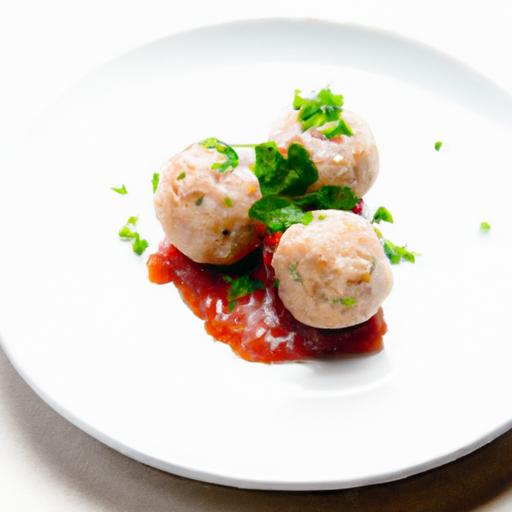

Nestled in the heart of the Alpine region, where rugged mountains meet warm hearths, lies a culinary treasure as comforting as the majestic landscape itself: Canederli. These tender, savory dumplings-crafted from day-old bread, hearty herbs, and rich local cheeses-are more than just a dish; they are a flavorful doorway into centuries of tradition and rustic ingenuity. Mastering canederli is an invitation to explore the flavors,stories,and soul of Alpine culture,blending simple ingredients into a symphony of taste that warms both body and spirit. Join us on this flavorful journey as we unravel the secrets behind perfecting this beloved alpine specialty, transforming humble staples into a feast that captures the mountain’s essence in every bite.
Origins and Cultural Importance of Canederli in Alpine Cuisine
Mastering Canederli is not only a culinary adventure but a heartfelt journey into the rustic soul of Alpine cuisine. Hailing from the mountainous regions of Northern Italy, Austria, and South Tyrol, canederli (or Knödel in German) are more than just dumplings-they are a symbol of resourcefulness and tradition. Originally crafted by Alpine farmers to make use of stale bread and locally available ingredients, canederli represent a celebration of simplicity and sustainability. This humble dish carries the echoes of generations who sought comfort and nourishment in the cold, alpine winters, transforming humble components into hearty, flavorful morsels cherished at family tables and festive gatherings.
Selecting Authentic Ingredients for the Perfect Canederli Dough
Key to mastering canederli is using authentic, high-quality ingredients that reflect the dish’s Alpine roots. Stale,crusty white bread forms the backbone of the dough-preferably from a bakery specializing in regional breads. This bread’s slightly dry texture helps absorb the milk and eggs that bind the mixture, creating the ideal dough consistency. For richness and depth, Alpine butter and aged speck or bacon introduce smokiness and balance. Fresh parsley or chives add color and vitality, while a touch of grated Grana Padano or Parmesan cheese enhances savory notes. Choosing fresh, locally sourced eggs and whole milk completes the ingredient list, ensuring an authentic texture that holds together during cooking yet remains tender inside.
Prep and Cook Time
- Preparation: 20 minutes
- Cooking: 20 minutes
- Total Time: 40 minutes
Yield
Serves 4 generously
Difficulty Level
Medium – requires attention to texture and shaping
Ingredients
- 200g stale white bread, cut into 1-inch cubes
- 250ml whole milk
- 2 large eggs, beaten
- 100g speck or smoked bacon, finely diced
- 1 small onion, finely chopped
- 2 tbsp unsalted Alpine butter
- 2 tbsp fresh parsley, finely chopped
- 50g Grana Padano cheese, grated
- Salt and freshly ground black pepper, to taste
- All-purpose flour, for dusting
- Optional: pinch of nutmeg
Step-by-Step Techniques to Achieve the Ideal Texture and Flavor
- Soften the bread: place bread cubes in a large mixing bowl and pour over warm milk. Let soak for 10 minutes until tender but not mushy.
- Sauté aromatics and speck: In a skillet, melt butter over medium heat. Add chopped onion and diced speck, sauté until golden and fragrant, about 5 minutes. Remove from heat and let cool slightly.
- Prepare the dough mixture: Add eggs, sautéed speck and onion, parsley, and grated Grana Padano to the soaked bread. Season generously with salt, pepper, and optional nutmeg. Gently combine with your hands or a spoon – do not overwork to avoid dense dumplings.
- Shape the canederli: Lightly flour your hands and form the mixture into golf ball-sized spheres (about 5 cm diameter). Dust lightly with flour if sticky.
- Cook the dumplings: Bring a large pot of salted water or vegetable broth to a gentle simmer (not boiling). Carefully drop canederli in batches to avoid crowding. Cook for 15-18 minutes; dumplings shoudl float to the surface and be tender but firm.
- Drain and serve: Remove with a slotted spoon and let drain.Serve instantly to enjoy their perfect texture.
Chef’s Notes & Tips for Success
- Texture is key: The bread-to-liquid ratio can vary based on your bread’s dryness.If the mixture feels too wet, add a bit of flour; if too dry, splash extra milk.
- Variations: Substitute speck with sautéed wild mushrooms or spinach for vegetarian canederli. For gluten-free, experiment with gluten-free bread and a touch of potato starch.
- Shaping tip: Use floured hands and roll gently to preserve airy texture-avoid packing the mixture too tightly.
- Advance prep: Formed dumplings can be refrigerated for a few hours before cooking. If freezing, flash-freeze on a tray before transferring to a zip-top bag.
Serving Suggestions and Pairings to Elevate Your Canederli Experience
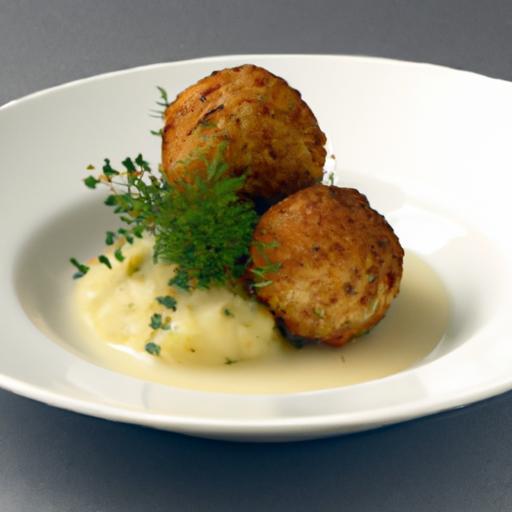
To truly immerse yourself in the mastering canederli experience, presentation and accompaniments are a must. Traditionally, canederli are served in a warm broth-either a clear beef consommé or a richly flavored vegetable stock-garnished with fresh chives or parsley. Alternatively, pan-seared canederli finished with melted Alpine butter and sprinkled with toasted breadcrumbs create a delightful contrast of crispy exterior and tender interior.
Pair this dish with a robust glass of lagrein or Pinot Noir to complement the smoky speck and savory cheese. Side options might include sautéed Swiss chard or a fresh Alpine herb salad,lending brightness and balance. For a finishing flourish, sprinkle fresh grated Grana Padano and a drizzle of herb-infused olive oil over the dumplings, turning a humble dish into a feast for both eyes and palate.
| Nutritional info (per serving) | Calories | Protein | Carbs | Fat |
|---|---|---|---|---|
| Canederli with Speck and Cheese | 380 kcal | 18 g | 30 g | 18 g |
For further exploration of Alpine specialties, visit our Alpine Cuisine Classics collection.To deepen your understanding of the historical roots behind such dishes, the Encyclopedia Britannica Alpine Culture article offers authoritative insights.

Q&A
Q&A: Mastering Canederli – A Savory Taste of Alpine Tradition
Q1: What exactly are canederli?
A1: Canederli are hearty, rustic dumplings hailing from the Alpine regions of Northern Italy and Austria. Traditionally, they’re made from stale bread soaked in milk, mixed with eggs, herbs, cheese, and sometimes cured meats or spinach, then boiled to tender perfection.Think of them as the cozy, savory blankets of mountain cuisine-a delicious way to transform simple ingredients into a soul-warming meal.
Q2: Where do canederli originate, and what makes them unique?
A2: Canederli come from the South Tyrol and Trentino regions of the Italian alps, bordering Austria. Their uniqueness lies in their versatility and connection to local ingredients-using leftover bread highlights the resourcefulness of Alpine cooks while marrying textures and flavors that celebrate the rugged landscape. Each family often guards their own secret recipe, incorporating regional cheeses like Asiago or speck for a smoky twist.
Q3: Is making canederli challenging for beginners?
A3: Not at all! While the process might look intimidating at frist,making canederli is wonderfully approachable. It’s part patience, part love: mixing the right bread-to-liquid ratio, gently forming the dumplings without packing too tightly, and cooking them just right. With a little practice, you’ll master the art of crafting these pillowy bites that hold the essence of Alpine hospitality.
Q4: What are the essential ingredients to start making authentic canederli?
A4: At the heart of authentic canederli is good-quality stale bread-preferably from a dense, crusty loaf. Milk, eggs, and flour bind the mixture, while flavor comes alive through additions like onions sautéed in butter, speck or pancetta, fresh parsley, and tangy mountain-style cheeses. Salt and pepper season the mix, allowing the natural flavors to shine through.
Q5: How should canederli be served to best appreciate their flavor?
A5: Canederli can be served in a variety of ways: traditionally, they swim in a rich beef or vegetable broth, turning the dish into a comforting alpine soup. Alternatively,drizzle them with melted butter and sprinkle with grated Parmesan for a more indulgent approach. Pairing them with sauerkraut or a simple green salad offers a delightful balance to their richness.
Q6: Can canederli be adapted for vegetarian or gluten-free diets?
A6: Absolutely! For vegetarians, skip the speck and enrich the dumplings with mushrooms, spinach, or cheese varieties that boast robust flavor. Gluten-free canederli require a bit more finesse-using gluten-free bread and careful binding agents like potato starch can yield excellent results without sacrificing texture. The key is experimentation and honoring the spirit of the dish: resourceful, wholesome, and satisfying.
Q7: Why should modern cooks embrace canederli in their kitchen repertoire?
A7: Canederli encapsulate tradition, sustainability, and comfort in one bite. They teach us to respect leftovers, celebrate simple ingredients, and connect with a culinary heritage that’s both humble and hearty. Weather you’re seeking to explore Alpine culture or simply crave a satisfying dish that hugs your insides, mastering canederli offers a delicious journey into the mountains’ savory heart.
Concluding Remarks
as you savor the last bite of your homemade canederli, you’re not just tasting a dish-you’re partaking in a rich Alpine heritage that has been lovingly passed down through generations.Mastering these savory dumplings opens a gateway to the heart of mountain culture, where simple ingredients transform into comforting, soulful fare.Whether enjoyed by a crackling fire in a rustic chalet or at your own bustling kitchen table, canederli invite you to slow down, appreciate tradition, and celebrate the flavors that define a region. So roll up your sleeves, embrace the art of canederli making, and let this timeless Alpine treasure add a warm, savory note to your culinary repertoire.