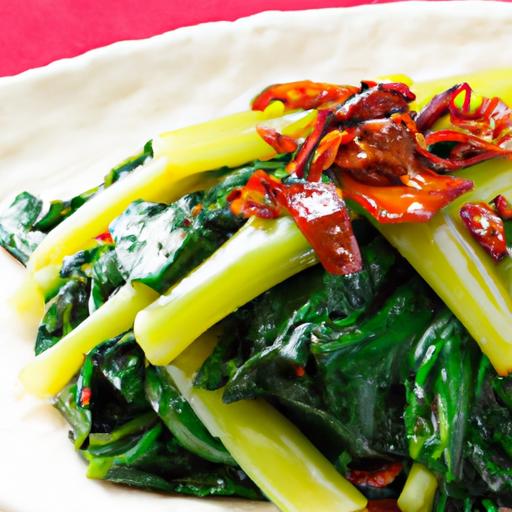

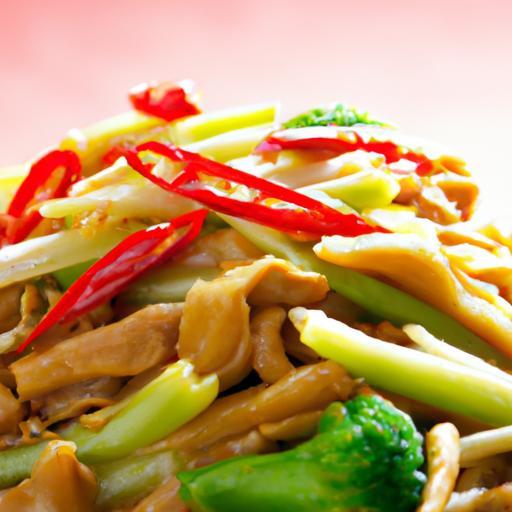
in the vibrant tapestry of Asian vegetarian cuisine, few dishes embody both spiritual symbolism and culinary artistry as beautifully as Buddha’s Delight-known traditionally as luohan Zhai. This classic medley of vegetables, tofu, and mushrooms is more than just a meal; it’s a harmonious celebration of simplicity, mindfulness, and nourishing flavors that have been cherished for centuries.Rooted in Buddhist tradition, Buddha’s Delight was originally crafted as a wholesome offering during temple celebrations, designed to embody purity and compassion. Today, it continues to inspire home cooks and gourmets alike, inviting us to experience a dish where every ingredient tells a story of balance, health, and cultural reverence.Join us as we explore the origins, key components, and step-by-step process to craft the timeless Luohan Zhai recipe-a appetizing journey into the heart of mindful eating.
Buddha’s Delight: Crafting the Classic luohan Zhai Recipe
Buddha’s Delight, also known as Luohan Zhai, is more than just a dish; it is indeed a celebration of harmony, balance, and tradition within Chinese vegetarian cuisine. Rooted deeply in Buddhist culinary history, this medley of vegetables, fungi, and tofu symbolizes purity and mindfulness, often prepared to mark the Lunar New Year or Buddhist festivities. My first encounter wiht Buddha’s Delight was at a Buddhist temple kitchen, where the fragrant, earthy aroma instantly captivated me.This experience inspired me to master the art of crafting the classic Luohan Zhai recipe-a dish that elegantly balances textures and flavors to create a wholesome,vibrant feast.
Prep and Cook Time
- Preparation Time: 30 minutes
- Cooking Time: 40 minutes
- Total Time: 1 hour 10 minutes
Yield
- 6 generous servings
Difficulty Level
- Medium – ideal for home cooks eager to explore authentic Asian flavors with a hands-on approach.
Selecting Authentic Ingredients for a Rich and Flavorful Luohan Zhai
The soul of Buddha’s Delight lies in the fresh, quality ingredients that deliver an earthy umami and vibrant texture. For authenticity, opt for a variety of dried mushrooms such as shiitake and wood ear fungus, preserved bamboo shoots for their subtle crunch, and firm tofu or bean curd sheets that soak up savory sauces beautifully. Chinese cabbage and snow peas add crunch and color, while water chestnuts introduce a refreshing crispness that enlivens each bite. Using naturally brewed soy sauce, vegetarian oyster sauce, and a hint of ginger and garlic rounds out the flavor profile without overpowering the delicate components.
Ingredients
- 1 cup dried shiitake mushrooms, soaked and sliced
- 1/2 cup dried wood ear fungus, soaked and drained
- 1/2 cup dried lily buds, soaked and trimmed
- 1/2 cup dried bean curd sticks, soaked and cut into bite-size pieces
- 1/2 cup bamboo shoots, thinly sliced
- 200g firm tofu, cut into cubes
- 1 cup napa cabbage, chopped
- 1/2 cup snow peas, trimmed
- 1/4 cup water chestnuts, sliced thinly
- 2 cloves garlic, minced
- 1-inch piece ginger, minced
- 3 tbsp vegetable oil
- 3 tbsp vegetarian oyster sauce
- 2 tbsp light soy sauce
- 1 tsp sugar
- 1/2 cup vegetable broth
- 1 tsp sesame oil
- Salt and white pepper, to taste
- 2 green onions, sliced for garnish
Step-by-Step techniques to Perfectly Balance Texture and Taste
- Rehydrate the dried ingredients: Soak the shiitake mushrooms, wood ear fungus, lily buds, and bean curd sticks separately in warm water for 30 minutes or until softened. Drain and slice as needed.
- Prepare the tofu: Press the tofu to remove excess liquid, then cut into cubes. lightly pan-fry with 1 tablespoon vegetable oil until golden on all sides. This helps maintain texture and prevents the tofu from crumbling during cooking.
- Sauté aromatics: Heat the remaining 2 tablespoons vegetable oil in a wok or large skillet over medium heat. Add minced garlic and ginger, stirring quickly for 30 seconds until fragrant but not burnt.
- Add and stir-fry vegetables and fungi: Toss in the rehydrated mushrooms, lily buds, bamboo shoots, napa cabbage, and snow peas. Stir-fry over high heat for 5 minutes until vegetables are vibrant and tender-crisp.
- Create the sauce: Mix the vegetarian oyster sauce, light soy sauce, sugar, and vegetable broth in a small bowl. Pour over the vegetables and toss to coat evenly. Let simmer gently for 5 minutes to meld flavors.
- Incorporate tofu and water chestnuts: Gently fold in the pan-fried tofu and sliced water chestnuts to add creaminess and crunch. Continue cooking for 2 more minutes, allowing the dish to warm through.
- Season and finish: Adjust salt and white pepper to taste. Drizzle with sesame oil for a fragrant finish. Lastly, garnish with sliced green onions just before serving.
Expert Tips for Customizing Your Buddha’s Delight to Suit Every Palate
You can elevate this classic Luohan Zhai recipe by personalizing its texture and flavor profiles. Craving more crunch? Add bamboo shoots or water chestnuts in extra quantities. For a nuttier undertone, lightly toast cashews or walnuts and sprinkle them on top before serving. Those preferring a heartier dish can incorporate fried gluten or tempeh to boost protein content without compromising authenticity.
If you enjoy a touch of heat, a few dried red chilies or a dash of chili oil can be introduced during the aromatics stage. For a gluten-free option, substitute the soy sauce for tamari. The magic of Buddha’s Delight is its versatility-allowing you to honor culinary tradition while tailoring it to modern tastes.
Serving Suggestions
- Serve hot in a large ceramic bowl to emphasize its comforting, home-cooked nature.
- Pair with fragrant steamed jasmine rice or simple brown rice for a complete meal.
- Garnish with fresh cilantro leaves, toasted sesame seeds, or thinly sliced red chili for an elevated presentation.
- Complement the meal with light green tea or a crisp white wine to balance the umami richness.

| Nutrient | Per Serving |
|---|---|
| Calories | 190 kcal |
| Protein | 12 g |
| Carbohydrates | 20 g |
| Fat | 7 g |
Chef’s Notes
- make Ahead: Prep dried ingredients and chop vegetables the day before; keep tofu separate and pan-fry just before cooking.
- Storage: Buddha’s Delight tastes even better the next day. Store in an airtight container in the fridge for up to 3 days.
- Vegetarian Oyster sauce: This ingredient adds depth,but if unavailable,substitute with mushroom soy sauce or homemade mushroom broth reduction.
- Texture Balance: To avoid sogginess, stir-fry in batches if your wok is crowded, preserving each ingredient’s integrity.
- Vegan Adaptation: Ensure all sauces are vegan, as some vegetarian oyster sauces may contain animal-derived ingredients.
For those inspired to explore more traditional Chinese vegetarian dishes, check out our Chinese Vegetarian Recipes Collection. To understand more about the sacred roots of Buddhist cuisine, visit Wikipedia’s Buddhist Cuisine page.
Q&A
Q&A: Buddha’s Delight – Crafting the Classic Luohan Zhai Recipe
Q1: What is Buddha’s Delight (Luohan Zhai), and why is it so beloved in Chinese cuisine?
A: Buddha’s Delight, or Luohan Zhai (羅漢齋), is a vibrant vegetarian medley traditionally enjoyed during Chinese New Year and Buddhist festivities. the dish is more than just food-it’s a symbolic harmony of nature’s bounty, embodying purity, balance, and respect for all living beings. Frequently enough composed of various vegetables, mushrooms, tofu, and unique ingredients like bamboo shoots and wood ear fungus, it’s a celebration of texture, color, and flavors that delight both body and soul.
Q2: Where does the name “Luohan Zhai” come from?
A: The name “Luohan” (羅漢) refers to the enlightened disciples of Buddha, revered for their wisdom and spiritual attainment, while “Zhai” (齋) means vegetarian or fasting. Together, they paint a picture of a pure, meat-free meal meant for spiritual reflection and physical nourishment-a dish traditionally prepared by monks and laypeople during fasting days.
Q3: What are the essential ingredients that make Buddha’s Delight unique?
A: At its heart, Buddha’s Delight thrives on diversity. Key ingredients include dried shiitake mushrooms, black moss (fat choy), bamboo shoots, snap peas, water chestnuts, lotus root, firm tofu, and glass noodles. Each adds its own texture and essence-from the earthy umami of mushrooms to the crunchy crispness of lotus root. The assortment represents abundance and the interconnectedness of all life.
Q4: How do you prepare the dried ingredients like shiitake mushrooms and wood ear fungus?
A: Dried mushrooms and fungus require a gentle rehydration process-soak them in warm water for about 20 to 30 minutes until plump and tender. this step unlocks their deep flavors and makes them easy to stir-fry or braise. Remember to rinse them thoroughly to remove any grit left from drying.
Q5: What is the secret to achieving the perfect texture and flavor balance in Buddha’s Delight?
A: The magic lies in both layering flavors and respecting cooking times. Start by stir-frying aromatics like ginger and garlic for warmth, then add firmer items first (like bamboo shoots and lotus root) before tossing in delicate vegetables and tofu near the end.A light yet flavorful sauce made from soy sauce, vegetarian oyster sauce, a pinch of sugar, and a splash of vegetable broth ties everything together, ensuring a harmonious blend without overwhelming the natural tastes.
Q6: Can Luohan Zhai be made vegan or gluten-free?
A: Absolutely! Traditional recipes are already vegetarian, but to ensure vegan compliance, opt for mushroom-based or soy-based vegetarian oyster sauces instead of oyster sauce derived from shellfish. For gluten-free adaptations, use tamari or gluten-free soy sauce substitutes. With thoughtful swaps, Buddha’s Delight remains inclusive and accessible.
Q7: Why is Buddha’s Delight considered a lucky or auspicious dish?
A: The dish’s many components symbolically represent prosperity, longevity, and happiness. Ingredients like fat choy (black moss) sound like “getting rich” in Cantonese, while lotus root signifies continuous harmony, and bamboo shoots evoke resilience and growth. Serving it during celebrations invites blessings for the coming year.
Q8: any tips for home cooks trying Buddha’s Delight for the first time?
A: Embrace the meditative nature of this dish-prepping the ingredients carefully and cooking with intention.Don’t rush the soaking or chopping; let the colors and aromas guide you. Experiment with your favorite vegetables or regional variations. Above all, savor the process and the nourishing rewards of this classic recipe.
Q9: can Buddha’s Delight be enjoyed beyond Buddhist traditions?
A: Definitely! While steeped in spiritual roots, Luohan Zhai’s wholesome goodness transcends religious boundaries. It’s a versatile vegetarian feast perfect for anyone seeking a flavorful, healthful meal packed with textures and nutrients. Whether at a festive gathering or a simple family dinner, it invites mindfulness and joy.
Embark on your culinary journey with Buddha’s Delight and discover a recipe that’s as rich in tradition as it is in taste-a vibrant tapestry woven from nature’s finest gifts.
Future Outlook
As the final flavors of Buddha’s Delight settle on your palate, you’ve not only crafted a dish but also embraced a tradition steeped in history and mindfulness. Luohan Zhai is more than a medley of vegetables and tofu-it’s a celebration of balance, simplicity, and reverence for nature’s bounty. Whether enjoyed during festive occasions or as a wholesome everyday meal, this classic recipe invites you to savor the mindful harmony that Buddha’s Delight embodies. So,next time you gather your ingredients and stir the pot,remember: you’re partaking in a timeless culinary ritual that nourishes both body and spirit.