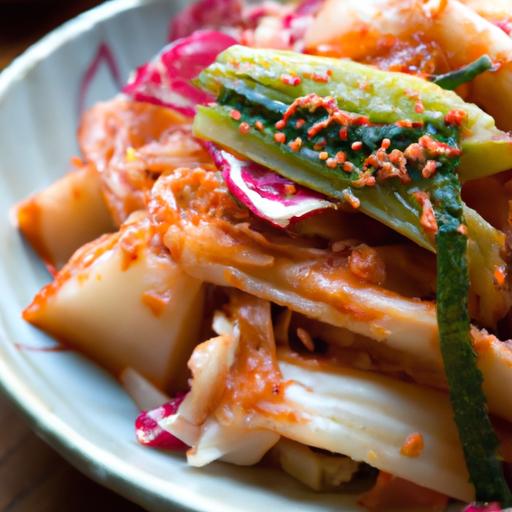

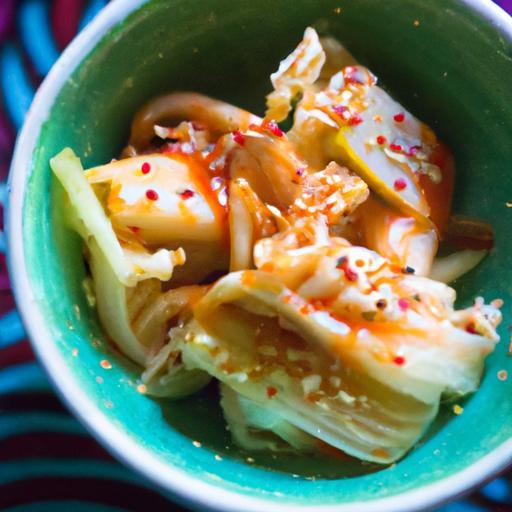
In the colorful world of fermented foods, kimchi stands out as a bold, tangy powerhouse bursting with flavor and tradition. But what if you coudl make this vibrant staple your own-crisp, spicy, and entirely plant-based? Welcome to the art of vibrant vegan kimchi, where ancient fermentation rituals meet modern, compassionate kitchens. Whether you’re a fermentation fanatic or a curious culinary explorer, this guide will lead you step-by-step through crafting your very own bubbling jar of probiotic-rich goodness. Get ready to awaken your taste buds,nourish your gut,and infuse your meals with a dazzling explosion of flavor that’s as wholesome as it is adventurous.
Vibrant vegan Kimchi: Choosing the Perfect Ingredients for Your Vegan Kimchi Adventure
Vibrant vegan kimchi captures the essence of Korea’s timeless tradition while embracing the plant-based journey with a burst of tangy, spicy vitality. This fermented marvel is not only a probiotic powerhouse but also a canvas for creative flavors that dance on your palate. Choosing the right fresh, organic vegetables and authentic Korean-inspired seasonings is the cornerstone of a successful and beautifully vibrant vegan kimchi.
Prep and Cook time
- Planning Time: 30 minutes
- Fermentation Time: 5-7 days (depending on temperature)
- Total Time: approximately 1 week
Yield
About 1 quart (4 cups) of vegan kimchi, serving 6-8 as a flavorful side or condiment.
Difficulty Level
Medium – Perfect for home fermenters with a little patience and a love for bold tastes.
Ingredients
- 2 medium Napa cabbages (about 2 pounds each), quartered and chopped
- 1/4 cup sea salt (non-iodized, for salting cabbage)
- 5 cups water
- 1 medium daikon radish, julienned
- 4 green onions, chopped into 1-inch pieces
- 6 cloves garlic, minced
- 1 thumb-sized piece of ginger, minced
- 3 tablespoons Korean red chili pepper flakes (gochugaru) (adjust to taste)
- 2 tablespoons miso paste (adds umami depth)
- 1 tablespoon coconut sugar (or brown sugar)
- 2 tablespoons soy sauce or tamari (for gluten-free option)
- 1/4 cup water (to make chili paste)
- Optional: 1 teaspoon kelp powder or chopped seaweed (to enrich fermentation)
Instructions
- Salt the Napa cabbage: Dissolve the sea salt in 5 cups of water. Submerge chopped Napa cabbage in this salty brine and let it sit for 2-3 hours, tossing every 30 minutes to ensure even salting. This wilts the cabbage, making it tender and ready to absorb flavors.
- Prepare the kimchi paste: In a blender or bowl, combine garlic, ginger, Korean red chili flakes, miso paste, coconut sugar, soy sauce, and ¼ cup water. Blend until smooth to create a vibrant, lacquered red paste that’s fragrant and spicy.
- Rinse and drain cabbage: after salting, rinse the cabbage thoroughly under cold water to remove excess salt.Allow it to drain well, then place in a large mixing bowl.
- Mix in vegetables: Add julienned daikon radish and chopped green onions to the cabbage. If using kelp powder,sprinkle it now to boost natural umami and fermenting prowess.
- Combine with chili paste: Wearing kitchen gloves, gently massage the chili paste into the cabbage and vegetable mix. Ensure every leaf is coated with the vibrant paste – the heart of your kimchi’s flavor.
- Pack into fermentation jar: Firmly press the kimchi mixture into a clean, airtight glass jar. Leaving some headspace,push down so the brine rises above the vegetables to create an anaerobic surroundings.
- Ferment at controlled temperature: Keep your jar at 68-72°F (20-22°C) for 5 to 7 days. check daily to release gas buildup by loosening the lid, then reseal. You’ll notice bubbles and a sour aroma as it develops.
- Refrigerate and enjoy: Once it achieves your preferred tanginess, move the kimchi to the fridge. It continues to ferment slowly and will keep for several weeks with peak freshness.
Mastering the Art of Fermentation Timing and Temperature Control
The vibrant character of your vegan kimchi depends largely on timing and temperature precision during fermentation. Cooler temperatures (around 60-65°F) slow down the fermentation, lending a milder tang, while warmer conditions speed up fermentation but risk overpoweringly sour or overripe notes. Use a dedicated fermentation thermometer or place your jar in a spot with consistent ambient temperature to harness control. Typically, 5 to 7 days at room temperature produce balanced acidity and fizz - your sign of lively probiotics at work.
Exploring Flavor Enhancers to Elevate Your Vegan Kimchi
While gochugaru and miso are foundational, consider adding a splash of naturally fermented vegan fish sauce alternatives (like seaweed and mushroom-based) to amplify umami layers. Fresh herbs such as finely chopped cilantro or Korean perilla leaves can add aromatic complexity. A small amount of grated apple or pear can introduce subtle sweetness, balancing the chili’s heat beautifully. Don’t hesitate to experiment, but remember: a harmonious blend of spicy, salty, tangy, and sweet is the hallmark of astounding vibrant vegan kimchi.
Creative Serving Ideas and Storage Tips for Long-Lasting Freshness
Serve your vibrant vegan kimchi chilled or at room temperature as a bold side with noodles, rice bowls, or crispy tofu. Top it with toasted sesame seeds or thinly sliced scallions for added crunch and freshness. For a contemporary twist, mix kimchi into grain salads, vegan pancakes, or even creamy avocado toasts. When storing, always keep the kimchi submerged in its brine to prevent mold. Use a clean utensil to scoop portions and seal tightly to maintain vibrant flavors. Properly stored in the fridge, your kimchi can stay flavorful for up to 6 weeks.
Chef’s notes and Tips for Success
- Salt choice: Use coarse sea salt or kosher salt, avoiding iodized salt, to encourage proper fermentation without chemical aftertastes.
- temperature matters: If your kitchen is too warm, ferment for fewer days and check daily. Too cool? Give it more time.
- Substitutions: napa cabbage can be swapped out for crunchy green cabbage or bok choy for delightful variations.
- Make-ahead: The vegan kimchi paste can be prepared 1 day ahead and refrigerated to deepen flavor.
- Troubleshooting: White cloudy liquid (called kahm yeast) is normal; mold is not.Discard any batches with discoloration or foul smells.
| nutrient | Per Serving (1/8 cup) |
|---|---|
| Calories | 15 |
| protein | 1g |
| Carbohydrates | 3g |
| Fat | 0g |
| Fiber | 1g |

For more vibrant plant-based fermentations, check out our guide to homemade vegan fermented vegetables. To deepen your fermentation knowledge, visit CDC food safety guidelines.
Q&A
Q&A: Vibrant Vegan Kimchi – A Flavorful DIY Fermentation Guide
Q1: What makes vegan kimchi different from conventional kimchi?
A: Traditional kimchi often includes fish sauce or fermented seafood for that signature umami kick. Vegan kimchi skips those ingredients, embracing plant-based alternatives like miso, soy sauce, or seaweed to deliver depth and complexity without compromising flavor.
Q2: Why shoudl I try making kimchi at home?
A: Crafting your own kimchi is a flavorful adventure that transforms humble vegetables into vibrant, tangy, probiotic-rich treasures. Plus, DIY fermentation lets you tailor the spice level, ingredients, and timing to match your palate perfectly!
Q3: what are the must-have ingredients for a vegan kimchi batch?
A: Crisp Napa cabbage or versatile Chinese cabbage lays the base. Combine that with garlic, ginger, Korean red pepper flakes (gochugaru), green onions, and a splash of vegan umami like miso paste or seaweed stock. Don’t forget salt for fermentation magic!
Q4: How long does vegan kimchi take to ferment?
A: fermentation is a waiting game! Room temperature fermentation to kickstart the process usually takes 1-3 days, depending on your environment and taste preference. After that,storing it in the fridge slows fermentation,developing deeper flavors over weeks.
Q5: Can I customize my vegan kimchi with other veggies?
A: Absolutely! Daikon radish, carrots, cucumbers, or even seasonal greens add unique textures and flavors. Feel free to experiment – fermentation is flexible and fun!
Q6: What are the health benefits of eating vegan kimchi?
A: Aside from being a low-calorie, vitamin-rich superfood, vegan kimchi’s fermentation fosters beneficial probiotics that support gut health, boost immunity, and enhance digestion. It’s a tasty way to nourish your microbiome.
Q7: Any tips to avoid common kimchi-making mistakes?
A: Yes! Be sure to salt your cabbage properly to draw out moisture and kick fermentation off smoothly. Use clean jars to prevent unwanted bacteria, and “burp” your kimchi daily in the first few days to release built-up gas.Trust your nose-if it smells off, discard and start fresh.
Q8: How do I serve vegan kimchi?
A: Kimchi shines as a vibrant side dish, a fiery topping over grain bowls, a zesty addition to salads and sandwiches, or folded into stir-fries and soups. Once you make your own, you’ll find endless ways to spice up your meals!
Q9: Can I freeze vegan kimchi?
A: Freezing isn’t ideal because it can alter the texture, but if you’re in a pinch, long-term storage in the freezer is possible. Just know that thawed kimchi is best used in cooked dishes rather than fresh.
Ready to dive into the colorful world of vegan kimchi? Gather your ingredients, embrace the fermentation magic, and watch your kitchen transform into a vibrant hub of flavor and wellness!
The Conclusion
As you embark on your vibrant vegan kimchi journey, remember that fermentation is as much an art as it is a science-a delightful process where patience transforms humble ingredients into a symphony of flavor and wellness. With each batch you craft, you not only honor a rich culinary tradition but also infuse your kitchen with the tangy essence of creativity and healthful living. So gather your vegetables, sprinkle those spices, and let your vegan kimchi ferment into a bold, probiotic-packed masterpiece that dances on your palate and nourishes your body. The vibrant world of DIY fermentation awaits-ready to awaken your senses, brighten your meals, and enliven your table with a dash of tangy magic.