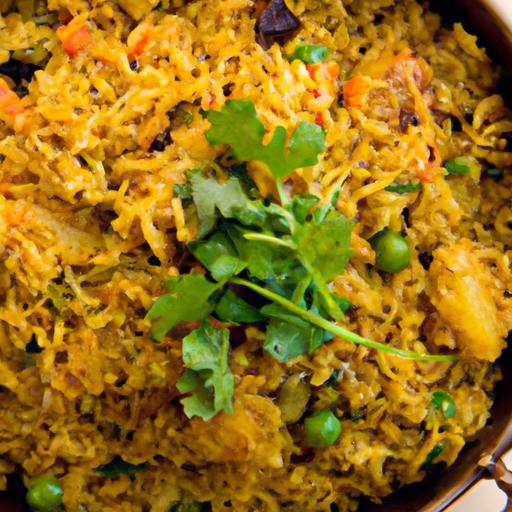

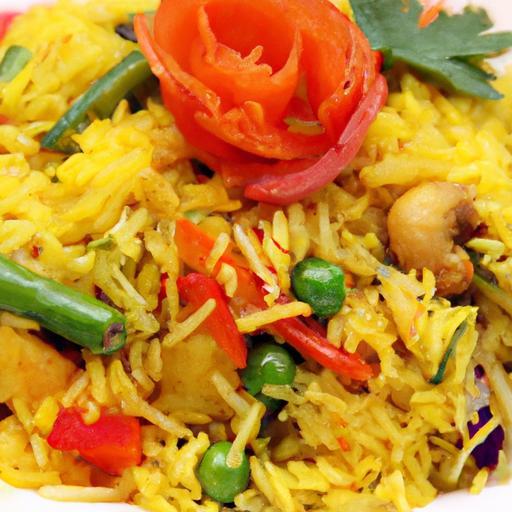
There’s something truly magical about biryani-a symphony of fragrant spices, tender vegetables, and perfectly cooked rice that comes together in a single, unforgettable dish. Vegetable biryani, with its vibrant colors and rich aromas, invites both novice cooks and seasoned food lovers to embark on a culinary adventure that celebrates tradition and creativity alike. In this article, we’ll dive into the art and science of mastering the perfect vegetable biryani recipe, unlocking tips, techniques, and flavor secrets that transform simple ingredients into a feast for the senses. Join us as we journey through layers of taste, culture, and technique to create a dish that’s as nourishing as it is delightful.
Vegetable Biryani is a timeless dish that captures the heart of Indian cuisine and invites every home chef on a flavorful journey of spices and textures. Choosing the freshest ingredients is essential to unlock the authentic flavor that defines this classic dish. Fresh vegetables bursting with color and a rare harmony of aromatic spices come together to create a symphony that dances on your palate. Whether you’re layering fragrant basmati rice or balancing the spices to perfection, this recipe will guide you with confidence and creativity.
Prep and Cook Time
Planning: 25 minutes | Cooking: 40 minutes
Yield
Serves 6 generous portions
Difficulty Level
Medium – perfect for passionate home cooks ready to embrace layers of classical technique and bold flavors.
Ingredients
- 2 cups basmati rice, rinsed and soaked for 30 minutes
- 1 large onion, thinly sliced
- 2 medium tomatoes, finely chopped
- 1 cup carrots, diced
- 1 cup green beans, chopped
- 1 cup green peas, fresh or frozen
- 1 medium potato, peeled and cubed
- 1/2 cup cauliflower florets
- 2 tbsp ghee or vegetable oil
- 1/2 cup plain yogurt, whisked
- 2 tbsp ginger-garlic paste
- 2 green chilies, slit lengthwise
- 1/4 cup fresh cilantro, chopped
- 1/4 cup fresh mint leaves, chopped
- 1 tsp turmeric powder
- 1 tbsp biryani masala powder
- 1 tsp red chili powder (adjust to taste)
- Whole spices: 4 green cardamom pods, 4 cloves, 1 cinnamon stick (2-inch), 2 bay leaves, 1 star anise
- Salt to taste
- 3 cups water or vegetable broth
- Saffron strands soaked in 2 tbsp warm milk (optional)
- Fried onions for garnish
Step by Step Guide to Layering and Cooking Perfect Biryani
- Prepare the rice: Drain the soaked basmati rice and boil in salted water with half the whole spices until 70% cooked. Drain and set aside to stop cooking further. This prevents mushy grains and ensures fluffy rice.
- Sauté onions: Heat ghee in a heavy-bottomed pan. Fry sliced onions until golden brown and caramelized, about 8 minutes, stirring frequently to avoid burning - these onions add crucial sweetness and texture.
- Cook vegetables: Add ginger-garlic paste and green chilies, sauté until fragrant (2 minutes). Toss in diced vegetables (carrots, beans, peas, potatoes, cauliflower) and sauté for 5 minutes. Add turmeric,red chili powder,biryani masala,and salt,cooking until vegetables are half tender.
- Add tomatoes and yogurt: Stir in chopped tomatoes and cook until softened (4-5 minutes). Lower heat and incorporate whisked yogurt to create a luscious, spiced vegetable base. Cook until the mixture thickens, about 6-8 minutes, stirring occasionally.
- Layer the biryani: Spread half of the cooked vegetables evenly in the bottom of a heavy pan. Layer half the rice over the vegetables, then sprinkle fresh cilantro, mint, and half the saffron milk. Repeat layers with remaining vegetables, rice, herbs, and saffron.
- Dum cooking: Seal the pot with a tight-fitting lid or dough to trap steam. Cook on the lowest heat for 25-30 minutes,allowing flavors to meld and the rice to finish cooking perfectly. Resist lifting the lid until finished to preserve steam.
Balancing Spices to Create an Aromatic Symphony
Achieving the perfect spice balance is both an art and a science. The delicate sweetness from caramelized onions and yogurt softens the warmth of chili and biryani masala. Whole spices infuse the rice with subtle hints of cardamom,cloves,and cinnamon,while fresh herbs brighten the dish with bursts of minty freshness. Always taste at key points-adjust salt and spice levels gradually to suit your palate. This thoughtful layering of flavor makes every mouthful a celebration of aroma and taste.
Choosing the Freshest Ingredients for Authentic Flavor
Start with the freshest seasonal vegetables, firm and vibrant, as they retain texture and sweetness essential to this dish’s character. Opt for premium basmati rice for its fragrance and long, slender grains. using freshly ground biryani masala or whole spices freshly toasted and crushed elevates the complexity. Fresh herbs like mint and cilantro add a refreshing contrast that brightens the dish. The quality of yogurt and ghee also matters-choose unsweetened, creamy yogurt and pure ghee for richness.
Tips and Tricks for serving and Storing Your Vegetable Biryani
- serve hot with cooling accompaniments like raita (yogurt cucumber sauce) or a simple cucumber salad to balance spice intensity.
- Garnish generously with fried onions and chopped fresh herbs just before serving for gorgeous texture and color contrast.
- For leftovers, let the biryani cool to room temperature, then refrigerate in an airtight container for up to 2 days. Reheat gently with a sprinkle of water and covered to retain moisture.
- Freeze in portions for up to a month, thaw overnight in the fridge, and reheat thoroughly before serving. This makes for an excellent make-ahead meal.
Chef’s Notes
- Vegetable Variations: Experiment with seasonal veggies like bell peppers,zucchini,or baby corn for added sweetness and crunch.
- Protein Boost: For a richer biryani, add paneer cubes or roasted chickpeas at the vegetable cooking stage.
- Mild Version: Reduce or omit chili powder and green chilies for a milder taste loved by children or sensitive palates.
- Dum Cooking Alternatives: Use a heavy-bottomed Dutch oven if you don’t have a customary handi. Place a griddle or tawa underneath the pot during slow cooking to avoid burning.
- Make Ahead: Prepare the vegetable base and cooked rice separately a day ahead. Layer and steam just before serving for the freshest biryani experience.
Serving Suggestions
Present your biryani on a vibrant platter or traditional Indian thali plate, garnished lavishly with crisp fried onions, fresh cilantro, and a wedge of lime for brightness. Side your dish with a bowl of cooling cucumber raita, mango chutney, or a tangy salad featuring tomatoes, onions, and carrots tossed in lemon juice. Serve with warm naan or papadums to round out the meal.

| Nutrient | Per Serving |
|---|---|
| Calories | 320 kcal |
| Protein | 8 g |
| Carbohydrates | 54 g |
| Fat | 7 g |
Embarking on this flavorful journey, mastering the perfect vegetable biryani recipe brings not only a delicious meal to your table but also a deep dive into the soulful tradition of indian cooking. For more on spice blending and rice culinary secrets,visit our Indian Spice Guide. Explore the science behind aromatic herbs and spices here.
Q&A
Q&A: A Flavorful Journey – Mastering the Perfect Vegetable Biryani Recipe
Q1: What makes vegetable biryani such a beloved dish around the world?
A: Vegetable biryani is a symphony of vibrant colors, aromas, and flavors that celebrate the richness of Indian culinary tradition.It perfectly balances fragrant basmati rice, a medley of fresh vegetables, and a complex blend of spices, creating a dish that’s both comforting and exotic. Its versatility and ability to satisfy vegetarians and non-vegetarians alike make it a universally adored meal.
Q2: How can I ensure the rice in my vegetable biryani comes out fluffy and separate rather then sticky?
A: The secret lies in choosing the right rice-long-grain basmati is ideal-and rinsing it thoroughly to remove excess starch. Soak the rice for about 30 minutes before cooking to help it absorb water evenly. When cooking, use slightly less water than usual for biryani-style rice and avoid stirring too much. Cooking the rice until its about 70-80% done before layering ensures it finishes perfectly in the dum (steaming) process.
Q3: What role do spices play in vegetable biryani, and how can I customize them to suit my palate?
A: Spices are the heart and soul of biryani, lending its signature warmth and depth. Traditional blends often include whole spices like cinnamon, cloves, cardamom, and bay leaves, combined with ground spices such as turmeric, cumin, coriander, and garam masala. To tailor the biryani to your taste, you can adjust the heat level with fresh chilies or chili powder, increase the aroma with extra saffron or rose water, or add a pinch of sweetness with caramelized onions.
Q4: Can I prepare a vegetable biryani without compromising on flavor if I have dietary restrictions, such as vegan or gluten-free diets?
A: Absolutely! Vegetable biryani is naturally vegetarian and gluten-free when prepared with traditional ingredients. To keep it vegan, simply avoid ghee or replace it with plant-based oils or vegan butter. The key flavors come from spices, herbs, and vegetables, so there’s no loss in taste.Using coconut milk or almond milk can add a creamy texture if desired, enhancing richness without animal products.Q5: What are some tips for layering the biryani to maximize flavor?
A: Layering is were magic happens. Begin with a base of partially cooked rice, then spread seasoned vegetables mixed with a tadka (tempered spices and onions). Sprinkle fried onions,chopped cilantro and mint,saffron soaked in warm milk,and a drizzle of ghee or oil between layers. Each element infuses its flavor during the slow steaming, resulting in beautifully distinct yet harmonized layers.
Q6: How long should I steam (dum) the biryani, and why is this step critically important?
A: Steaming the biryani under a tight lid on low heat for about 20-30 minutes allows the flavors to marry and the rice to finish cooking gently. This slow-cooking (dum) process gives the biryani its characteristic aroma and texture, as the steam circulates, softening the vegetables and evenly distributing the spices throughout the dish.
Q7: What vegetables work best in a vegetable biryani?
A: A colorful mix is best! Popular choices include carrots, peas, green beans, potatoes, cauliflower, bell peppers, and beans. using a combination of firm and tender vegetables ensures a pleasing variety of textures. be mindful not to overcook them during the initial sauté, as they will further cook during steaming.
Q8: Any final secrets to making my vegetable biryani truly unforgettable?
A: Patience and love are the ultimate ingredients. Take time to toast your spices fresh,caramelize your onions until golden brown,and soak saffron in warm milk to release its soulful color and aroma. Serve your biryani with cooling raita or a tangy salad to complement the spicy warmth. Above all, enjoy the creative process-a lovingly crafted biryani is a feast for the senses and the soul.
future Outlook
As you close the lid on this flavorful journey, remember that mastering the perfect vegetable biryani is more than just following a recipe-it’s about embracing the vibrant harmony of spices, textures, and colors that come together in every fragrant grain of rice. With patience and passion, your kitchen can transform into a haven of aromatic delight, inviting friends and family to share in a dish that tells a story of tradition, creativity, and love for wholesome ingredients. So, gather your vegetables, awaken your spices, and let each pot of biryani be a new chapter in your culinary adventure-rich, rewarding, and deliciously unforgettable.