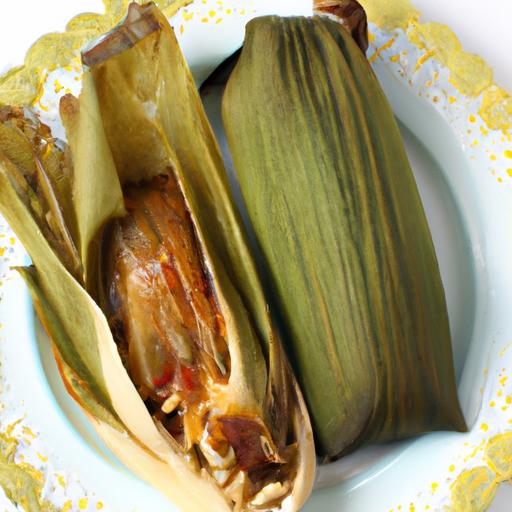

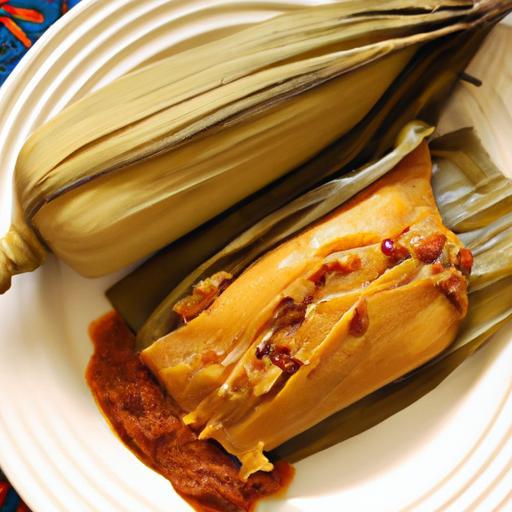
In the heart of Colombia’s lush Tolima region lies a culinary treasure wrapped in banana leaves and steeped in history: the Tamal Tolimense. This beloved dish is more than just a meal-its a vibrant celebration of tradition, family, and the rich flavors that define a culture. As you unwrap the tender tamal, layers of seasoned pork, aromatic rice, and garden-fresh vegetables reveal themselves, each bite telling a story passed down through generations. Join us on a flavorful journey to discover how to make authentic Tamal tolimense, and learn to savor the timeless art that brings this iconic colombian comfort food to life.
Savor Tradition: how to Make Authentic Tamal Tolimense invites you on a flavorful journey to Colombia’s Tolima region, where every ingredient tells a story and every bite bursts with heritage. The secret lies in embracing local staples-fresh pork, ripe plantains, and masa crafted to a silky perfection-combined with age-old techniques passed down through generations. This recipe will transform your kitchen into a warm Colombian home, where tradition is savored lovingly in every tamal.
Prep and Cook Time
- Preparation: 1 hour 30 minutes
- Cooking: 2 hours
- Total: 3 hours 30 minutes
yield
Approximately 8 servings (8 large tamales)
Difficulty Level
Medium – Perfect for home cooks ready to embrace a rewarding traditional cooking experience
Ingredients
- 3 cups fresh white corn masa (preferably ground from nixtamalized corn for authentic flavor)
- 1 ½ cups pork broth (homemade or low-sodium for best taste)
- 1 ½ lbs pork shoulder, cut into cubes
- 4 large ripe plantains, peeled and sliced
- 1 cup cooked peas (fresh or frozen)
- 3 garlic cloves, minced
- 1 medium white onion, finely chopped
- 2 tablespoons achiote (annatto) oil for vibrant color and subtle earthiness
- 2 teaspoons ground cumin
- 1 teaspoon dried oregano
- Salt and freshly ground black pepper, to taste
- 8 large bijao leaves (or banana leaves as substitute), rinsed and softened
- Kitchen twine or strips of banana leaf for wrapping
Instructions
- Prepare the pork: in a large bowl, combine pork cubes with minced garlic, onion, cumin, oregano, salt, and pepper. Let it marinate for at least 30 minutes to infuse flavors deeply into the meat.
- Cook the pork: Heat achiote oil in a heavy pan over medium heat. Add the marinated pork,sauté until browned on all sides,about 8-10 minutes. pour in 1 cup pork broth, reduce heat, and simmer gently until tender, about 1 hour. Reserve remaining broth.
- Master the masa: In a large mixing bowl, combine fresh corn masa with remaining pork broth, adding little by little until it reaches a smooth, spreadable consistency-like thick pancake batter. Season with salt, adjusting for taste. The masa should be light yet firm enough to hold its shape when wrapped.
- Prepare the leaves: Briefly pass the bijao leaves over an open flame or hot surface to soften them. lay one leaf flat, smoothing out wrinkles and cracks, forming a natural pouch.
- Assemble the tamal: Spread a generous ½ cup layer of masa onto the center of the leaf, leaving edges free for folding. Add several pieces of pork, a few slices of plantain, and a spoonful of cooked peas directly on the masa.
- Wrap tightly: Fold opposite sides of the leaf over the filling, than fold the edges neatly to enclose wholly. Tie securely with kitchen twine or a banana leaf strip to prevent leaking during steaming.
- Steam with care: Place wrapped tamales upright in a steamer basket. steam over boiling water for about 2 hours, maintaining consistent heat and replenishing water as needed. The masa should firm up, and the filling fully tender.
- Rest & serve: Allow tamales to rest for 10 minutes out of the steamer before unwrapping. This step lets flavors meld beautifully and makes handling easier.
Chef’s Notes
- For a vegetarian version, replace pork with hearty mushrooms and increase plantains for sweetness.
- Fresh masa is key: if unavailable, consider soaking dried cornmeal overnight to mimic texture.
- Soften leaves well to avoid tears during wrapping; this also adds subtle earthy aroma.
- Make ahead: unwrapped tamales can be refrigerated for 2 days or frozen for up to 1 month. Steam straight from frozen-just increase cooking time by 30 minutes.
- If plantains are too firm, lightly fry slices before assembling to enhance softness and flavor depth.
Serving Suggestions
Present tamales warm, unwrapped to reveal the colorful layers inside. Garnish with a sprinkle of fresh cilantro or finely chopped scallions for brightness.A side of ají picante or hogao sauce complements the mellow masa and savory pork, bringing the iconic Tolima tamal experience home. Pair with a fresh fruit juice or hot Colombian coffee for a wholesome meal that honors the culture.
| Nutrient | Per Serving |
|---|---|
| Calories | 430 kcal |
| Protein | 28 g |
| Carbohydrates | 38 g |
| Fat | 15 g |

Discover more Colombian culinary treasures in our Traditional Cocadas Recipe article. For deeper insight into masa preparation techniques, visit Saveur’s Masa Dough Guide.
Q&A
Q&A: Savor Tradition – How to Make Authentic Tamal Tolimense
Q1: What is Tamal Tolimense, and why is it special?
A1: Tamal Tolimense is a traditional Colombian delicacy hailing from the Tolima region. unlike other tamales, it is renowned for its rich combination of pork, chicken, vegetables, and a unique mix of spices all lovingly wrapped in plantain leaves. What makes it truly special is its hearty, soul-warming flavor and the cultural heritage it carries-each bite tells a story of family gatherings and festive celebrations.
Q2: What are the key ingredients that define an authentic Tamal Tolimense?
A2: the heart of Tamal Tolimense lies in its ingredients: pork shoulder and chicken pieces, potatoes, peas, carrots, rice, and a savory dough made from corn masa. Aromatic herbs like cilantro, cumin, and annatto (achiote) give it its distinct color and fragrance. Everything is carefully wrapped in plantain leaves, which infuse a subtle smokiness during cooking.
Q3: How crucial is the plantain leaf in the preparation? Can it be substituted?
A3: Plantain leaves are essential-not just as a cooking vessel but as a flavor enhancer that imparts a gentle earthiness and moisture. Substituting with foil or banana leaves can work in a pinch, but tamales will lack that authentic, aromatic touch. For true Tamal Tolimense, the vibrant, glossy plantain leaf is a must.
Q4: What’s the secret to the perfect masa (dough) for Tamal Tolimense?
A4: The masa should be silky and soft but with enough body to hold the fillings without crumbling. The secret is in blending fresh corn masa with pork broth infused with spices, and a touch of annatto oil for that warm hue. It’s about balance-moist enough to be tender but firm enough to cradle the rich filling.
Q5: Can you walk us through the traditional cooking process?
A5: Absolutely! After preparing the fillings and masa, you lay out the plantain leaf, add a generous scoop of masa, then layer on the meats, vegetables, and a handful of rice.Fold the leaf tightly into a neat packet, securing it with banana leaves or kitchen string. The tamales are then steamed or boiled for about 2 to 3 hours, allowing the flavors to marry beautifully and the masa to cook through.
Q6: Are there any regional variations of Tamal Tolimense?
A6: While the core ingredients remain consistent, families often add their own twists-extra potatoes, olives, or unique spice blends. Some may include hard-boiled eggs or garbanzo beans, depending on personal or local traditions. These small differences keep the recipe vibrant and alive,passed from generation to generation.
Q7: How is Tamal Tolimense traditionally served and enjoyed?
A7: Traditionally, Tamal Tolimense is served hot, often accompanied by a steaming cup of chocolate or fresh coffee. It’s a communal meal-perfect for sharing during holidays, Sunday breakfasts, or community festivities.eating it is an experience: unwrapping the leaf to reveal the colorful layers, savoring the aromas, and enjoying the comforting combination of flavors.
Q8: Can Tamal Tolimense be made ahead of time? How should it be stored?
A8: Yes! Tamales can be made in large batches and stored in the refrigerator for a couple of days or frozen for longer. To reheat, simply steam or gently warm them in the oven, wrapped in their leaves to preserve moisture and flavor. This makes Tamal Tolimense a fantastic dish for sharing over several meals.
Q9: Why is making Tamal tolimense considered a cultural ritual?
A9: Making Tamal Tolimense is more than cooking-it’s a celebration of heritage, community, and patience. The process often brings families together,from preparing ingredients to folding tamales side by side. It’s a hands-on tradition that connects generations, weaving stories and memories into every fold.Q10: What tips would you give to someone making Tamal Tolimense for the first time?
A10: Embrace patience and joy in the process! Take time to prepare each ingredient thoughtfully. Don’t hesitate to seek out fresh plantain leaves for authenticity. Remember, imperfections make it unique-focus on flavors and traditions rather than perfection.Most importantly, share the experience; food tastes best when made with love and enjoyed with others.
Savoring Tamal Tolimense is like tasting a piece of Tolima’s heart-rich, warm, and steeped in tradition. Ready your kitchen, gather your loved ones, and let this timeless Colombian treasure bring a flavorful story to your table.
Key Takeaways
As the final steam rises from your tamal Tolimense,you’re not just savoring a dish-you’re embracing centuries of tradition,culture,and heart. Each bite tells a story woven from the fertile valleys of Tolima, where families gather to celebrate, share, and pass down recipes like treasured heirlooms. Making authentic tamal Tolimense is more than a cooking process; it’s an invitation to connect with Colombia’s rich heritage and the warmth of communal spirit. So next time you unwrap that delicate banana leaf, remember: you’re tasting history, one delicious morsel at a time.