
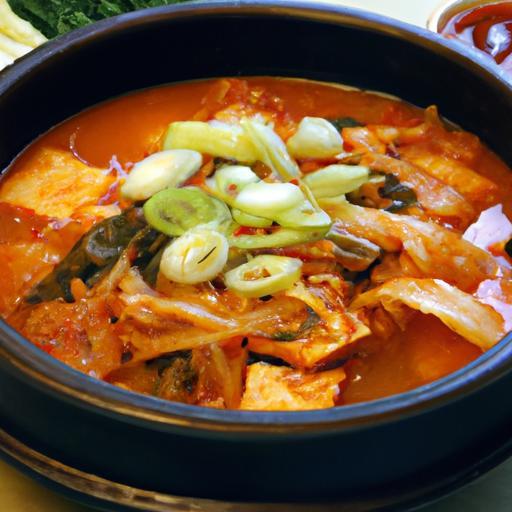
There’s something undeniably comforting about a steaming bowl of doenjang jjigae – Korea’s beloved fermented soybean paste stew that warms both body and soul.Rich, earthy, and imbued with layers of umami, this hearty dish has been a cornerstone of Korean home cooking for centuries. Yet, beyond its robust flavors lies a story of tradition, fermentation, and time-honored culinary mastery. In this article, we’ll dive deep into the art of crafting the perfect doenjang jjigae, uncovering the secrets behind its complex taste and guiding you step-by-step to bring a true taste of Korea’s soulful stew into your own kitchen. Whether you’re a curious foodie or a seasoned home cook, get ready to master a recipe that transforms simple ingredients into a bowl brimming with warmth and history.
Unlock your culinary creativity with this rich foundation for Korea’s beloved stew. The hearty doenjang base is where tradition and fermentation meet, crafting a depth of flavor that’s earthy, savory, and unmistakably authentic. understanding how to build that complex umami starts with knowing your ingredients and the artful layering that transforms simple components into a soul-warming experience.
Prep and Cook Time
- Readiness: 15 minutes
- Cooking: 40 minutes
- Total: 55 minutes
Yield
- 4 generous servings
Difficulty Level
- Medium – perfect for those eager to explore authentic Korean flavors with a few accessible techniques
Ingredients
- 3 tablespoons doenjang (Korean fermented soybean paste), high quality for rich umami
- 6 cups water or anchovy broth (for a deeper savory base)
- 1/2 cup Korean radish (mu), peeled and sliced thin
- 1 medium onion, sliced
- 2 medium zucchinis, cut into half-moons
- 200g soft tofu, cut into 1-inch cubes
- 3 garlic cloves, finely minced
- 1 fresh green chili pepper, sliced (optional for heat)
- 2 green onions, chopped
- 1 teaspoon Korean chili flakes (gochugaru), for mild warmth
- 1 tablespoon soy sauce, for additional depth
- 1 teaspoon sesame oil, for finishing
- 1 tablespoon vegetable or neutral oil, for sautéing
Instructions
- Prepare your base broth: If using anchovy broth, simmer dried anchovies and kelp in 6 cups of water for 15 minutes, then strain. For simplicity, water works well too. Bring the broth to a gentle boil.
- Build flavor with aromatics: Heat 1 tablespoon oil in a heavy-bottomed pot over medium heat. Add minced garlic and sliced onions, sauté untill fragrant and translucent, about 3-4 minutes. Stir regularly to develop sweetness without burning.
- Incorporate the doenjang: Lower heat and whisk in 3 tablespoons of doenjang thoroughly. This step is crucial-cook the paste gently for 2 minutes to release its deep, fermented aroma and mellow its saltiness.
- Add vegetables: Toss in the radish slices first, allowing them to soften slightly as they simmer in the base for about 10 minutes.
- Layer in zucchini and chili flakes: Add zucchini, green chili pepper (if using), and sprinkle 1 teaspoon gochugaru to introduce gentle heat and color. simmer gently for 8 minutes until veggies are tender but still vibrant.
- Season and enrich: Stir in soy sauce to amplify umami, then carefully add tofu cubes, ensuring they don’t break. Cover and simmer for an additional 5 minutes to warm the tofu through.
- Finish with green onions and sesame oil: Remove from heat, scatter chopped green onions on top, and drizzle with sesame oil just before serving. This adds a fragrant, nutty note that rounds out the stew beautifully.
- Adjust seasoning if needed: Taste the stew-if it needs more depth, a pinch of salt or an extra teaspoon of doenjang can be added, but be cautious to keep the fermentation harmony intact.
Tips for Success
- Choosing your doenjang: Authentic Korean doenjang has a chunky, grainy texture with visible soybean bits, which enrich the stew’s body. Avoid overly smooth or factory-produced types for the best depth.
- Enhance umami without MSG: Consider adding a handful of dried shiitake mushrooms during broth preparation. Remove before adding vegetables for an extra layer of natural earthiness.
- Balancing saltiness: Doenjang varies in salt content; always taste after the initial stirring step and adjust ingredients accordingly to prevent overpowering saltiness.
- Make-ahead hints: Doenjang jjigae flavors mature beautifully after sitting a day in the fridge. Reheat gently to preserve texture and aroma.
- Vegetarian version: Substitute anchovy broth with kombu broth and omit soy sauce or use tamari for gluten-free options.
Serving Suggestions
This stew shines with a steaming bowl of fluffy white rice. For extra comfort, serve alongside simple Korean side dishes like kimchi or pickled radish. Garnish with additional sliced green onions and a sprinkle of toasted sesame seeds for crunch and fresh color contrast. Complement your meal with cold barley tea or a light Korean rice wine to elevate the overall dining experience.

| Nutrient | Per serving |
|---|---|
| calories | 220 kcal |
| Protein | 12 g |
| Carbohydrates | 14 g |
| Fat | 9 g |
For a deeper dive into Korean fermented flavors, visit the comprehensive guide to doenjang by Maangchi, an authoritative resource in Korean home cooking.
Q&A
Q&A: Hearty Doenjang Jjigae Recipe - Master Korea’s Fermented Stew
Q1: What exactly is Doenjang Jjigae?
A1: Doenjang Jjigae is a classic Korean stew made with doenjang, a deeply fermented soybean paste that’s rich in umami and probiotics. It’s the kind of comfort food Koreans turn to on chilly days-hearty, savory, and packed with layers of flavor from vegetables, tofu, and sometimes seafood or meat.
Q2: Why is this stew considered a Korean culinary staple?
A2: Doenjang Jjigae embodies centuries of tradition. The fermentation of doenjang enhances nutritional value and gives the stew its signature earthy, nutty taste that’s uniquely Korean. It’s not just food; it’s culture simmering in a pot, a communal dish that brings families together over a warm, nourishing meal.
Q3: What are the essential ingredients for an authentic Doenjang Jjigae?
A3: At its core, you need the star-doenjang paste-along with fresh tofu, Korean zucchini, onions, garlic, green chili peppers, and mushrooms. You’ll also want vegetable or anchovy broth as a base to build that deep umami flavor. Optional add-ins like clams or thinly sliced beef can elevate the stew further.
Q4: Can Doenjang Jjigae be adapted for vegetarians or vegans?
A4: Absolutely! Simply swap out anchovy broth for a vegetable broth and skip any meat or seafood. The fermented soybean paste provides such a robust savory note that the stew still feels rich and satisfying without animal products.
Q5: How do you achieve the perfect balance of flavors in Doenjang Jjigae?
A5: The magic lies in layering. Start with a savory broth, add doenjang gradually, tasting as you go to avoid overpowering saltiness. Add vegetables in order of cooking time,and finish with fresh chili or scallions for brightness. The stew should have a deep,earthy base with bursts of fresh,vibrant notes.
Q6: What’s the best way to serve Doenjang Jjigae?
A6: Traditionally, it’s served bubbling hot alongside steamed rice and a variety of small side dishes called banchan.Spoons ready, diners scoop generous ladles of stew, mixing with rice for a soul-warming bite. It’s communal, hearty, and utterly satisfying.
Q7: any tips for first-timers trying this recipe?
A7: Don’t be intimidated by the fermentation! Good-quality doenjang can be found in Asian markets or online, and the layering process encourages experimentation. Start simple, taste often, and embrace the stew’s rustic charm-it’s forgiving and endlessly adaptable.
Q8: Why should food lovers add Doenjang Jjigae to their culinary repertoire?
A8: Because it’s not just a stew-it’s an edible story of fermentation, tradition, and homestyle Korean cooking. With every spoonful, you connect to a rich cultural heritage and experience a unique taste sensation that’s both humble and complex. Mastering Doenjang Jjigae is like unlocking a secret door into Korea’s flavorful soul.
The Way Forward
As the rich, savory aroma of your homemade doenjang jjigae fills the kitchen, you’ve not only crafted a bowl of stew-you’ve embraced centuries of Korean culinary tradition. This hearty, fermented masterpiece is more than just a meal; it’s a celebration of flavor, culture, and the humble power of fermentation. Whether enjoyed on a chilly evening or as a comforting staple any time of year, mastering this recipe invites you to savor the depth and warmth of Korea’s beloved comfort food. So gather your ingredients, stir in a bit of patience, and let your taste buds embark on a journey through the soulful heart of Korean cuisine.