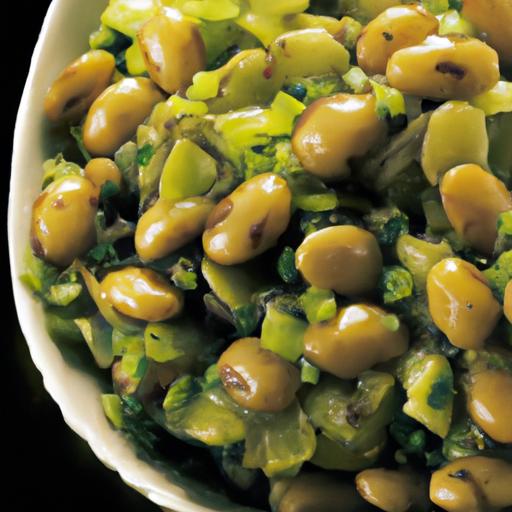

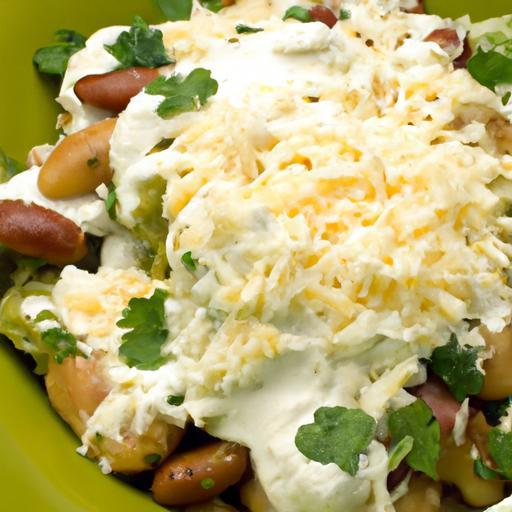
ThereS a special kind of comfort found in teh rich, creamy embrace of melted cheese mingling with tender, buttery fava beans-an experience that transcends simple eating and becomes a celebration of flavor and tradition. Enter Habas con Queso, a beloved dish that invites you to savor each bite as a harmonious blend of textures and tastes rooted in wholesome ingredients and cultural heritage. Whether you’re a seasoned cook or a curious foodie, this tasty recipe guide will walk you through the art of creating Habas con Queso, unlocking the secrets to a dish that’s as satisfying to make as it is to enjoy. Prepare to awaken your palate and bring a touch of savory indulgence to your table!
Choosing the perfect habas for Authentic Flavor
Savor the Flavor of true Habas con Queso begins with selecting the freshest and most tender fava beans (habas). the quality of these beans directly influences the dish’s texture and depth of flavor. Opt for plump, luminous green habas free from blemishes and overly tough skins. When possible, purchase fresh shelled beans or dry ones of reputable origin; if using dry, soaking them overnight softens them considerably, unlocking that signature creamy bite.
Fresh habas offer a buttery, slightly nutty profile that beautifully contrasts the rich cheese blend, while frozen versions-though convenient-may lack subtle nuance. For the most authentic experience, visit local markets specializing in fresh legumes or consider harvesting your own in-season habas for unbeatable vibrancy.
Crafting the Creamy Cheese Blend That Defines Habas con queso
The soul of this dish lies within it’s luscious cheese blend, melding creamy textures with bold, tangy answers that elevate every spoonful. To Savor the Flavor of the perfect cheese mix, combine queso fresco or cotija with a subtle touch of mild melting cheese like mozzarella or Oaxaca. This combination ensures both genuine Mexican flavor and a silken, smooth finish.
Incorporate a dash of crema or a mild cream cheese to bind the cheeses, producing a luxurious creaminess that coats each habas bean like velvet. For extra depth, a pinch of smoked paprika or freshly ground black pepper awakens the blend without overpowering its rich balance.
Step by Step Preparation Tips for a Savory Delight
Mastering the art of Habas con Queso involves patience and mindful technique.Follow these easy steps to savor every spoonful:
Prep and Cook Time
- Preparation: 20 minutes (including soaking dry habas if necessary)
- Cooking: 30 minutes
- Total Time: 50 minutes
Yield
Serves 4 generously
Difficulty Level
Medium – approachable for home cooks eager to explore customary flavors
Ingredients
- 2 cups fresh or soaked dry habas (shelled fresh fava beans)
- 1 tablespoon olive oil
- 1 small white onion, finely chopped
- 2 cloves garlic, minced
- 1 cup crumbled queso fresco
- ½ cup shredded Oaxaca cheese or mozzarella
- ¼ cup Mexican crema or sour cream
- Salt and pepper, to taste
- ½ teaspoon smoked paprika (optional)
- Fresh cilantro leaves for garnish
- Fresh lime wedges, for serving
Instructions
- Prepare the habas: If dry, soak habas overnight and rinse thoroughly. Boil habas in salted water for about 15-20 minutes or until tender but not mushy, then drain.
- Sauté aromatics: Heat olive oil in a medium skillet over medium heat. Add onion and garlic; sauté until fragrant and translucent, about 5 minutes, stirring occasionally to prevent burning.
- Cook habas: Add the cooked habas to the skillet. Toss gently to coat with onion and garlic mixture. Cook for 5 minutes, stirring carefully to avoid breaking the beans.
- Create the cheese blend: Lower heat to medium-low.Add queso fresco, Oaxaca cheese, and crema directly onto the habas. Stir slowly until the cheese melts and envelops the beans in a creamy sauce.Add smoked paprika, salt, and pepper to taste.
- Final touches: Simmer gently for an additional 3 minutes, allowing flavors to meld and sauce to thicken slightly. Avoid overcooking to preserve bean texture.
- Garnish and serve: Remove from heat and sprinkle fresh cilantro atop. Serve immediately with lime wedges to squeeze on top for a refreshing zing.
Serving Suggestions to Elevate Your Habas con Queso Experience
transform this savory classic into a memorable centerpiece with creative serving ideas. Serve Habas con Queso warm,paired with crunchy,toasted corn tortillas or rustic bolillo bread to scoop up every luscious bite. for added texture, sprinkle with toasted pumpkin seeds or a handful of freshly chopped radishes.
Complement the dish with a fresh side of jicama salad with lime and chili, balancing richness with crisp, bright notes.For a festive twist, consider topping with a drizzle of homemade pico de gallo,adding bursts of acidity and color.
To finish, a refreshing agua fresca or a chilled glass of Mexican beer pairs superbly, inviting you to truly savor the flavor of this delightfully creamy dish.
Tips for Success
- Bean texture matters: Overcooked habas turn mushy and lose thier delicate flavor. Aim for tender but intact beans.
- Cheese substitutions: If queso fresco is unavailable, feta or ricotta salata offer a comparable crumbly texture and mild saltiness.
- Make ahead: Prepare the habas and cheese blend separately, then combine gently to reheat just before serving.
- Freshness amplifies flavor: Use fresh cilantro and lime juice immediately before serving for a bright, uplifting finish.
| Nutrient | Per Serving |
|---|---|
| Calories | 310 |
| Protein | 18 g |
| Carbohydrates | 25 g |
| fat | 14 g |

Q&A
Q&A: Savor the Flavor – Your Delicious Habas con Queso Recipe guide
Q1: What exactly are habas con queso?
A1: Habas con queso is a beloved Latin American dish that marries tender broad beans (habas) with creamy, melty cheese.Think of it as a comforting, savory delight where the earthiness of the beans perfectly complements the rich, indulgent cheese – a true celebration of simple, wholesome ingredients.
Q2: Which type of beans are best for this recipe?
A2: Broad beans, also known as fava beans, are the star here. Fresh or frozen habas work beautifully, but if you’re feeling adventurous, dried beans can be used with proper soaking and cooking. Their buttery texture and slightly nutty flavor bring a unique depth to the dish.
Q3: What cheese is traditionally used in habas con queso?
A3: Traditionally, a mild, fresh cheese such as queso fresco or panela is ideal.These cheeses melt just enough to bind the beans without overpowering them. However, feel free to experiment with mozzarella or even a touch of feta for a tangier spin.Q4: Is habas con queso a main dish or a side?
A4: This versatile dish shines both ways. It can be a hearty side dish accompanying grilled meats or a satisfying vegetarian main when served with warm tortillas or crusty bread. Its comforting nature makes it perfect for any meal.
Q5: Can I add spices or herbs to enhance the flavor?
A5: Absolutely! Habas con queso welcomes spices like cumin, smoked paprika, or a touch of chili flakes for heat. Fresh herbs such as cilantro or parsley add a bright,fresh contrast. The goal is to savor every bite, so seasoning is your creative playground.
Q6: What’s the best way to prepare habas so they’re tender and flavorful?
A6: Start by blanching fresh habas to soften their skins, then sauté them gently with garlic and onions to unlock their richness. Slow cooking on low heat allows the flavors to meld beautifully – patience here is a delicious virtue.
Q7: How can I make this dish healthier without sacrificing taste?
A7: Opt for low-fat cheeses and incorporate a medley of sautéed veggies like bell peppers or tomatoes for added nutrients and color. Using olive oil instead of butter not only amps up the health quotient but also adds a delightful fruity note.
Q8: are there any creative twists to try with habas con queso?
A8: Definitely! For a modern twist, try layering habas and cheese in a tortilla and grilling it for a fusion quesadilla. Or turn it into a warm salad by topping the beans and cheese with toasted nuts and a zesty vinaigrette. The possibilities are endless!
Q9: Where can I find habas and queso fresco if they’re not available locally?
A9: Check out Latin American grocery stores or specialty markets online. Frozen broad beans are a convenient substitute if fresh ones are scarce.For queso fresco, artisanal cheese shops or online retailers often carry authentic options, or you can make a simple fresh cheese at home.
Q10: Why should I make habas con queso at home?
A10: Beyond its irresistible taste, making habas con queso connects you to a rich culinary tradition and allows you to customize a dish that’s both comforting and nutritious. Its an edible hug from the heart of Latin America, ready to brighten any table with its warm flavors.
To Wrap It Up
As your final bite of these hearty habas con queso lingers, let the rich flavors remind you that great cooking is both an art and a celebration of tradition. Whether you’re sharing this dish with loved ones or savoring it solo,its creamy textures and vibrant notes promise to warm your palate and your heart. Armed with this recipe guide, you’re now ready to bring a taste of authentic comfort to your kitchen-one delicious spoonful at a time.So go ahead, dive in, and let every serving tell the story of flavor, culture, and culinary joy.