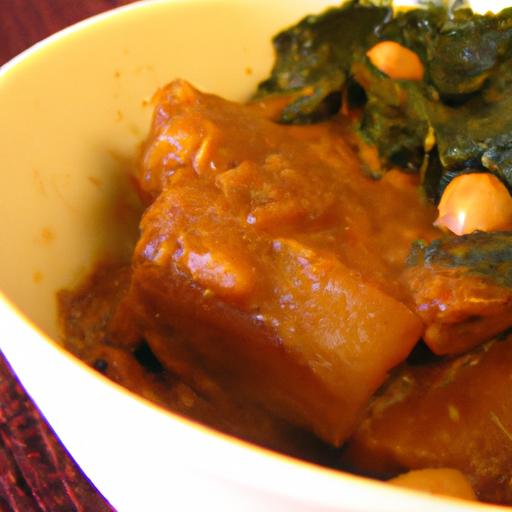

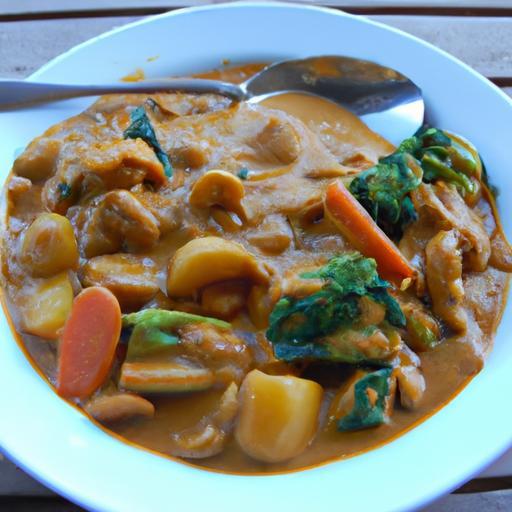
There’s something irresistibly comforting about a warm, slow-simmered stew-its rich aromas wrapping around you like a cozy blanket on a chilly day. Enter hearty vegan kare-kare,a vibrant twist on the beloved Filipino peanut stew that celebrates both tradition and plant-based innovation. Bursting with bold flavors and creamy textures, this recipe transforms humble ingredients into a luscious dish that’s as nourishing as it is delightful. Whether you’re a seasoned vegan or simply curious about exploring new culinary horizons, this flavorful peanut stew promises a satisfying experiance that honors the spirit of kare-kare while embracing compassion and creativity.
hearty Vegan Kare-Kare is a celebration of rich Filipino tradition, transformed into a vibrant and nourishing plant-based stew that bursts with creamy peanut flavor and authentic aromas. Originating from the Philippines, this dish marries a blend of roasted peanuts and savory spices to create the soulful essence of kare-kare, now perfectly adapted for vegan palettes with carefully selected vegetables and proteins that emulate its famed texture and warmth.
Prep and Cook Time
- Preparation: 20 minutes
- Cooking: 45 minutes
- total Time: 1 hour 5 minutes
Yield
Serves 4 hearty portions
Difficulty Level
Medium – perfect for home cooks wanting to explore authentic Filipino flavors with a vegan twist
Ingredients
- 1/2 cup smooth peanut butter (natural, unsweetened)
- 1 cup vegetable broth
- 2 tbsp toasted rice powder (optional, for thickening)
- 3 tbsp annatto oil (for color and subtle earthiness)
- 1 large eggplant, cut into thick slices
- 1 cup green beans, trimmed and halved
- 2 cups bok choy, roughly chopped
- 1 cup hearts of palm, sliced into rounds
- 1 cup firm tofu, pressed and cubed
- 1 small onion, finely chopped
- 4 cloves garlic, minced
- 1 tbsp soy sauce or tamari for gluten-free
- 1 tbsp lemon or calamansi juice
- Salt and freshly ground black pepper to taste
- Water as needed for stew consistency
Step-by-Step Instructions
- Prepare the peanut sauce: In a medium bowl, whisk together peanut butter and vegetable broth until smooth.If using, gradually add toasted rice powder to thicken the sauce, stirring well. Set aside.
- Heat annatto oil: In a large pot over medium heat, warm the annatto oil until fragrant. This adds the signature warm orange color to yoru vegan kare-kare.
- Sauté aromatics: Add onion and garlic to the pot,cooking until softened and golden,about 5 minutes,stirring occasionally to prevent burning.
- Add tofu and hearts of palm: Toss in the cubed tofu and sliced hearts of palm, then sauté for 3-4 minutes until lightly browned and heated through.
- Incorporate vegetables: Add eggplant slices and cook, turning gently, until softened, about 7 minutes. Then stir in the green beans and cook for another 5 minutes until tender but still crisp.
- Pour in peanut sauce: Gradually add the prepared peanut sauce to the pot, stirring to combine with the vegetables and tofu. Lower heat to simmer gently.
- Season and simmer: Add soy sauce,lemon or calamansi juice,and salt and pepper to taste. Let the stew simmer uncovered for 10-15 minutes,allowing the flavors to meld and the sauce to thicken slightly.
- Add bok choy last: Toss in bok choy leaves and stems during the final 3 minutes of cooking to keep them vibrant and crisp-tender.
- Adjust consistency: If the stew is too thick, add a splash of water or vegetable broth to reach your desired creaminess.
- Final taste check: Taste and adjust seasoning; balancing the nutty richness with a touch more acidity or salt if necessary before serving.
chef’s Notes: Tips for Success
- roast your peanuts: For even deeper flavor, lightly roast your peanuts before turning them into butter or using pre-roasted peanut butter.
- Vegetable swaps: Try adding young green jackfruit or canned bamboo shoots for additional plant-based textures reminiscent of traditional kare-kare.
- Thickening tricks: Use ground toasted rice powder or mashed plantains to naturally thicken the sauce without gluten or flour.
- Make ahead: This stew tastes even better the next day as flavors deepen. Refrigerate for up to 3 days and gently reheat.
- Avoid bitterness: Peel eggplants if they are large or old to reduce bitterness, and salt them lightly beforehand to draw out excess moisture.
Serving Suggestions and Tips for Elevating Your Vegan Kare-Kare Experience
Present your kare-kare steaming hot in a wide bowl, garnished with freshly chopped crispy fried garlic or toasted peanuts for an added crunch. A small dish of traditional bagoong alamang (fermented shrimp paste) or a vegan shrimp paste alternative on the side will truly elevate the experience, complementing the rich peanut flavor beautifully. Serve alongside fluffy steamed rice or local vegetable side dishes for an authentic meal that satisfies both texture and taste cravings.
| Nutrient | Per Serving |
|---|---|
| Calories | 380 kcal |
| Protein | 15 g |
| Carbohydrates | 22 g |
| Fat | 28 g |

Q&A
Q&A: Hearty Vegan kare-Kare - A Flavorful Peanut Stew Recipe
Q1: What is kare-Kare, and why is it special?
A1: Kare-Kare is a traditional Filipino stew known for its rich, creamy peanut sauce and comforting blend of vegetables and protein. What makes it special is its unique flavor profile-a delicate balance of savory peanuts, a hint of sweetness, and a subtle earthiness from ingredients like toasted rice or annatto. It’s a dish that embodies warmth and community, frequently enough enjoyed during family gatherings.
Q2: How does a vegan version of Kare-Kare differ from the classic?
A2: The classic Kare-Kare usually features oxtail or tripes, but the vegan take swaps out meat for hearty plant-based ingredients like jackfruit, tofu, or seitan. The resulting stew retains the signature creamy peanut flavor and vibrant color but offers a lighter, cruelty-free, and equally satisfying experience.
Q3: What are the key ingredients in a vegan Kare-Kare?
A3: at the heart of vegan Kare-Kare are roasted peanuts or peanut butter, banana blossoms or jackfruit for texture, fresh vegetables such as eggplant, string beans, and bok choy, plus savory aromatics like garlic and onions. The sauce often includes ground toasted rice for thickness and annatto seeds for that iconic golden hue.
Q4: how can I achieve that authentic peanut flavor without overpowering the dish?
A4: Balance is everything. Use freshly roasted peanuts or natural peanut butter, and add it gradually while stirring to monitor the consistency and taste. complement the peanut notes with umami-rich ingredients like soy sauce or miso and a splash of vinegar or lemon juice to brighten the stew and prevent heaviness.
Q5: What’s the best way to thicken the vegan Kare-Kare sauce?
A5: Traditionally, ground toasted glutinous rice thickens the sauce. for convenience, you can use a mixture of peanut butter and cornstarch slurry or simply simmer the stew to reduce excess liquid. Toasting the rice yourself intensifies the nuttiness, giving your Kare-Kare a delightful depth.
Q6: Can I make Kare-Kare ahead of time? Does it reheat well?
A6: Absolutely! Kare-Kare benefits from resting as the flavors meld beautifully overnight. Store it in an airtight container in the fridge and gently reheat it on the stove. You may need to add a splash of vegetable broth or water to loosen the sauce, as it thickens when chilled.
Q7: What should I serve with Vegan Kare-Kare for an authentic experience?
A7: Serve your Kare-Kare with a steaming bowl of white or brown rice, and don’t forget the classic Filipino condiment-fermented shrimp paste (bagoong). for a vegan twist, try mushroom or miso-based bagoong alternatives. A side of fresh or pickled vegetables adds a crunchy, tangy contrast to the rich stew.Q8: Any tips for making this recipe accessible for beginners?
A8: start with simple, easy-to-find ingredients like peanut butter and mixed vegetables. Use canned jackfruit as a meat substitute, as it’s widely available and forgiving to cook with.Follow the peanut sauce steps carefully, and don’t hesitate to taste often. Cooking Kare-Kare is part art, part intuition-have fun experimenting!
Q9: Why should someone try making Hearty Vegan Kare-Kare?
A9: This dish is a celebration of plant-based comfort food that offers a new way to experience Filipino cuisine. It’s nourishing, packed with flavors and textures, and suitable for vegans and omnivores alike. Making kare-Kare at home is a delicious journey into culture and creativity that leaves your kitchen warm and your belly happy.
Q10: Where can I find inspiration for vegan Kare-Kare variations?
A10: Explore Filipino food blogs, vegan cooking channels, and social media communities passionate about plant-based asian cuisine. Try adding seasonal vegetables or swapping in different plant proteins to make it your own. The beauty of Kare-Kare is in its adaptability-feel free to innovate while honoring the heart of the stew.
The Conclusion
As the rich aroma of this hearty vegan Kare-Kare fills your kitchen, you’re reminded that plant-based cooking can be just as comforting and indulgent as traditional fare. This flavorful peanut stew not only celebrates the vibrant tastes of Filipino cuisine but also showcases the versatility of vegan ingredients, turning humble vegetables into a dish bursting with warmth and depth. Whether you’re a seasoned vegan or simply curious to explore new flavors,this recipe invites you to savor each spoonful of culinary history reimagined-proof that delicious,nourishing meals can be both kind to the planet and deeply satisfying to the soul.So grab your spoon, gather your loved ones, and let this vegan Kare-Kare become a beloved staple in your kitchen repertoire.