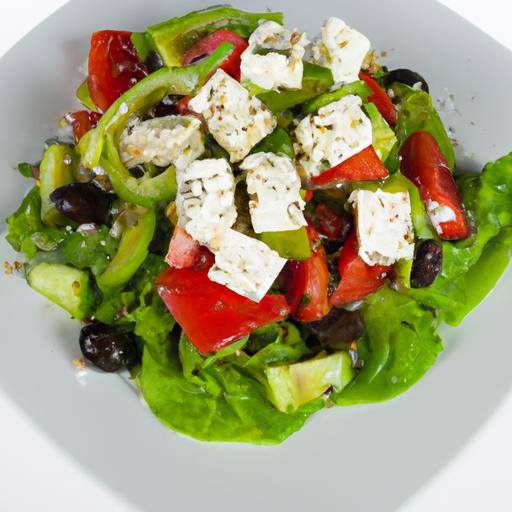

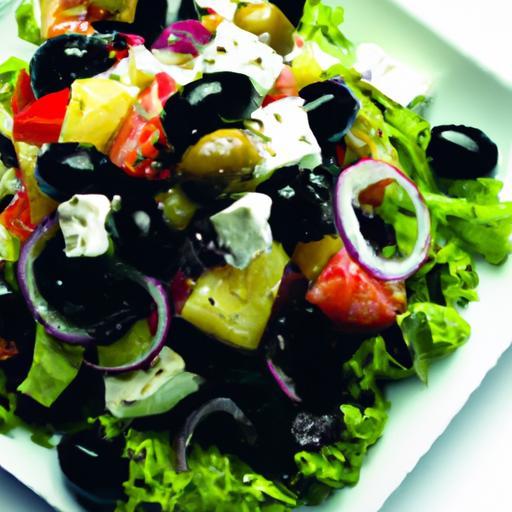
There’s something incredibly inviting about a bowl of Greek salad-vibrant colors, crisp textures, and an explosion of flavors that transport you straight to the sun-drenched shores of the Mediterranean. Fresh & flavorful is not just a description; it’s a promise embedded in every bite of this timeless dish. Whether you’re a seasoned chef or a curious foodie,our ultimate Greek salad recipe guide is here to unlock the secrets behind crafting the perfect harmony of juicy tomatoes,briny olives,creamy feta,and zesty herbs. Get ready to dive into a world where simplicity meets boldness, and every forkful tells a story of tradition, health, and irresistible taste.
Fresh & Flavorful Greek salad begins with a meticulous selection of the freshest ingredients, transforming a simple dish into a celebration of authentic Mediterranean flavors. the vivid hues of ripe tomatoes, crisp cucumbers, and glossy Kalamata olives paint a rustic yet elegant canvas that captures the soul of Greece. Whether you’re enjoying a sunlit terrace lunch or seeking a refreshing side, mastering the balance of freshness, acidity, and texture will elevate your Greek salad to unforgettable heights.
Prep and Cook Time
Readiness: 20 minutes
Cook Time: 0 minutes (no cooking required)
Yield
Serves 4 as a side dish, 2 as a light meal
Difficulty Level
Easy
Ingredients
- 3 large ripe tomatoes, cut into chunky wedges
- 1 large cucumber, peeled and sliced into thick rounds
- 1 small red onion, thinly sliced
- 1 cup Kalamata olives, pitted
- 200g block of feta cheese, cut into large cubes
- 1 green bell pepper, thinly sliced (optional)
- Fresh oregano sprigs, for garnish
- Sea salt and freshly cracked black pepper, to taste
Crafting the Perfect Dressing to Elevate Your Greek Salad
For the dressing, the magic lies in simplicity. Use ¼ cup extra virgin olive oil-the backbone of any Greek salad, known for its peppery richness and fruity notes. Add 1 ½ tablespoons red wine vinegar for that luminous tang, 1 small garlic clove minced finely to infuse depth, and 1 teaspoon dried oregano to echo the salad’s herbaceous spirit. Season with salt and black pepper to taste. Whisk these together until perfectly emulsified; the dressing should be bright, balanced, and bring harmony to all ingredients.
Instructions
- Prepare the vegetables: Rinse tomatoes and cut into wedges, slice the cucumber thickly, peel and thinly slice the red onion, and slice the green bell pepper if using.
- Arrange the salad: In a large salad bowl, gently layer the tomatoes, cucumber, red onion, and bell pepper for vivid color contrast.
- Add the olives: Scatter Kalamata olives evenly for bursts of briny richness.
- Make the dressing: In a small bowl,whisk together olive oil,red wine vinegar,minced garlic,dried oregano,salt,and pepper until emulsified.
- Dress the salad: Pour the dressing over the salad just before serving, then toss gently to coat all ingredients without bruising the fresh vegetables.
- Add the feta cheese: Top the salad with large cubes of feta, allowing the creamy, salty texture to contrast beautifully with the crisp vegetables.
- Garnish and serve: Finish with a sprinkle of fresh oregano sprigs and an extra drizzle of good-quality olive oil if desired.
Incorporating Traditional and Modern Toppings for Unique Twists
While the classic Greek salad thrives on its core elements,adding thoughtful toppings can enhance your culinary journey. Traditional ingredients like fresh dill or capers bring nuance, while modern touches like toasted pine nuts or thin slices of radish add crunch and subtle earthiness. For a protein boost, consider marinated grilled chicken or tender calamari. These creative flourishes respect the salad’s origins while opening doors to exciting flavor palettes.
Chef’s Notes: Tips for success
- Choose the right feta: Use high-quality sheep’s milk or goat’s milk feta for authentic tang and creaminess. Avoid overly crumbly or overly salty varieties.
- Balance acidity: If the vinegar feels too bright, mellow it with a small pinch of sugar or a touch more olive oil.
- Prep just before serving: To preserve freshness and crunch, chop vegetables only 10-15 minutes in advance and dress at the last moment.
- Make-ahead dressing: The dressing can be prepared up to 2 days ahead; store it in an airtight container refrigerated and whisk well before use.
- Storage advice: store leftovers separately-the salad components and the dressing-to prevent sogginess and maintain freshness.
Serving suggestions and Pairings
Serve your Greek salad in a wide, shallow bowl to showcase its vibrant colors and textures. Garnish with extra fresh oregano or a sprinkle of crushed red chili flakes for subtle warmth. This salad pairs wonderfully with grilled seafood, such as lemon-herb shrimp or calamari, and rustic bread like warm pita or crusty sourdough. For a full Mediterranean feast,complement it with tzatziki,hummus,and roasted vegetables.
| nutrient | Per Serving |
|---|---|
| Calories | 220 kcal |
| Protein | 7 g |
| Carbohydrates | 8 g |
| Fat | 18 g |

For more Mediterranean inspiration and recipes, check out our Mediterranean Diet Guide or learn about the health benefits of olive oil from the Medical News Today.
Q&A
Q&A: Fresh & Flavorful – Your Ultimate Greek Salad Recipe guide
Q1: What makes a Greek salad truly authentic?
A1: Authentic Greek salad, or Horiatiki, shines in its simplicity and quality ingredients. Think ripe tomatoes, crisp cucumbers, sharp red onions, briny Kalamata olives, creamy feta cheese, and a drizzle of rich extra virgin olive oil-all finished with a sprinkle of oregano. No lettuce here! The magic lies in letting these fresh, vibrant flavors sing together.
Q2: Can I customize the ingredients without losing the Greek essence?
A2: Absolutely! While the classic recipe sticks to the essentials, feel free to add a twist with capers, roasted red peppers, or even pepperoncini for a spicy kick.Just remember: the soul of a Greek salad is its balance of tangy, salty, and fresh – so keep the core ingredients intact and let your creativity flow from there.
Q3: What’s the secret to the perfect dressing?
A3: The dressing is beautifully simple – a whisk of extra virgin olive oil, red wine vinegar or lemon juice, a pinch of dried oregano, salt, and freshly cracked black pepper. The key is using high-quality olive oil and balancing acidity with a touch of saltiness to bring out the salad’s vibrant flavors without overpowering them.Q4: Should the feta cheese be mixed in or served on top?
A4: Traditionally,a big slab of feta sits proudly atop the salad,allowing each bite to mix the creamy tanginess of the cheese with the fresh veggies. However, crumbled feta folded in can offer a more integrated flavor profile, so feel free to serve it whichever way suits your style.
Q5: How can I make my Greek salad more filling without losing its freshness?
A5: To keep it fresh yet satisfying, consider adding protein like grilled chicken, tender shrimp, or even chickpeas. Toasted pine nuts or a handful of fresh herbs (think mint or dill) can add texture and depth too, turning your salad into a wholesome meal.
Q6: What sides or mains pair best with Greek salad?
A6: Greek salad is a stellar companion to grilled meats like lamb or chicken souvlaki, seafood dishes, or even a freshly baked pita with tzatziki. It also makes a refreshing counterpoint to heavier dishes, lightening the meal with every bite.
Q7: Can Greek salad be made ahead of time?
A7: It’s best enjoyed fresh – the veggies shine brightest crisp and juicy.If made ahead,keep the dressing separate until just before serving to avoid sogginess. You can prep and chop ingredients ahead but toss together moments before serving for maximum flavor and crunch.
This Q&A serves as a vibrant companion to your journey into the world of Greek salads, unlocking tips to craft a bowl bursting with freshness and Mediterranean sunshine. ready to dig in? Opa!
In Retrospect
As you toss together crisp cucumbers, ripe tomatoes, briny olives, and tangy feta in a drizzle of golden olive oil, you’re not just making a salad-you’re crafting a vibrant piece of Mediterranean sunshine on your plate. This ultimate Greek salad recipe guide invites you to embrace freshness and flavor in every bite, celebrating simple ingredients that sing in harmony. Whether enjoyed as a light lunch, a colorful side, or a refreshing starter, your Greek salad is more than a dish-it’s a timeless tradition that brings joy, health, and a taste of the Aegean to your table. so go ahead, savor the crunch and tang, and let your culinary journey to Greece begin with each delicious forkful.