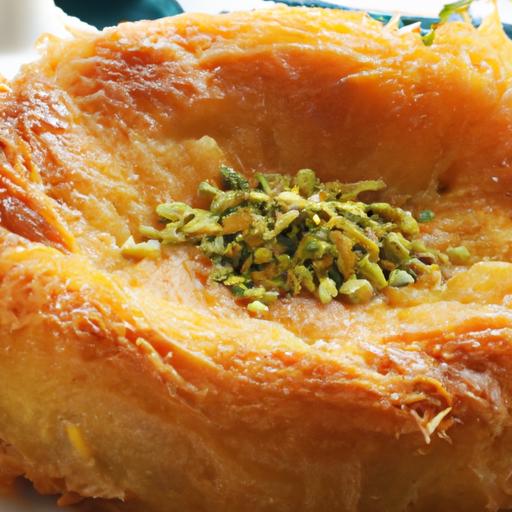

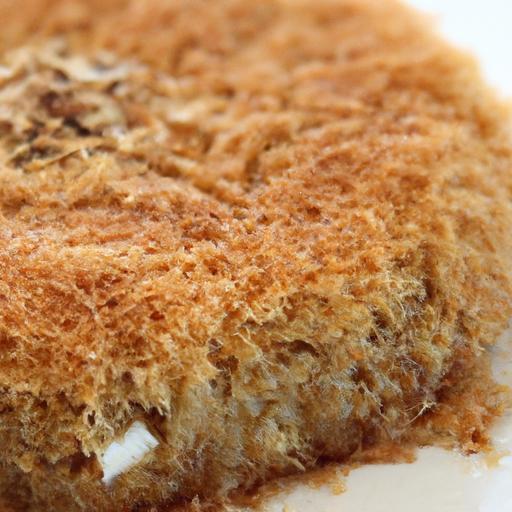
There’s a reason knafeh has captured hearts-and taste buds-across generations and continents. This enchanting dessert,with its golden,shredded pastry crust and luscious,melted cheese filling,is more than just a treat; it’s a party of texture,flavor,and tradition.But what exactly makes knafeh so irresistibly delightful, and how can you recreate this Middle Eastern masterpiece in your own kitchen? In this article, we’ll unravel the secrets behind knafeh’s signature shredded cheese pastry bliss and guide you step-by-step through crafting this iconic dessert, turning simple ingredients into a symphony of sweet, cheesy perfection. Get ready to embark on a culinary journey that’s as rich in history as it is in flavor.
Knafeh Delight transports you on a sensory journey through the vibrant streets of the Levant, where this iconic shredded cheese pastry has been celebrated for centuries. its allure lies not just in its luxurious sweetness but in the harmony of each carefully chosen ingredient-each playing a vital role in achieving the perfect balance of texture and flavor.Understanding these components is your first step to mastering this timeless dessert.
Prep and Cook time
- Preparation: 25 minutes
- Cooking: 15 minutes
- Total Time: 40 minutes
Yield
- Makes 8 servings
Difficulty Level
- Medium
Ingredients
- 500g kataifi (shredded phyllo dough), thawed if frozen
- 300g fresh mozzarella cheese, shredded and drained
- 200g akkawi cheese (or substitute with a mix of mozzarella and ricotta), soaked and drained
- 1 cup unsalted butter, melted and slightly cooled
- 1 cup sugar
- 1/2 cup water
- 1 tablespoon lemon juice
- 1 tablespoon orange blossom water (optional but customary)
- Chopped pistachios for garnish
Instructions
- Prepare the syrup: In a small saucepan over medium heat, combine sugar, water, and lemon juice. Bring to a boil, stirring occasionally until sugar dissolves. Simmer for 8-10 minutes until slightly thickened. Remove from heat, stir in orange blossom water, and set aside to cool.
- Drain and shred cheese: Rinse the akkawi cheese in water to reduce saltiness, then dry thoroughly. Combine it with shredded mozzarella in a bowl. This blend lends the filling its signature creamy, stretchy texture-make sure it’s well drained to avoid soggy pastry.
- Prepare the kataifi: Using clean hands, gently pull apart the kataifi strands into thin, airy shreds. toss the shredded pastry with melted butter until every strand gleams with rich, even coating. This step ensures your crust crisps up beautifully and achieves that golden glow.
- Assemble the base: Lightly butter a round baking pan (about 10 inches). Spread half the kataifi mixture evenly into the pan, pressing gently to form a compact yet airy base.
- Add the cheese filling: Evenly layer the cheese mixture over the kataifi base, distributing it from edge to edge for uniform melt and flavor.
- Top and bake: Cover the cheese with the remaining kataifi, pressing lightly to seal. Bake in a preheated oven at 350°F (175°C) for 15 minutes, or until the pastry is crisp and golden brown.
- Finish with syrup: Once out of the oven, promptly pour the cooled syrup evenly over the hot pastry.The syrup will soak into the layers, creating that luscious sticky-sweet finish.
- Serve warm: Garnish generously with chopped pistachios and cut into wedges. Enjoy the cascade of crispy strands meeting creamy cheese in every bite.
Chef’s Notes: Tips for Success
- For authentic texture, use kataifi rather than shredded phyllo sheets sold for baklava. The fine strands are key to the signature crispiness.
- Cheese moisture can make or break your filling-be sure to soak and drain akkawi or substitute cheeses well in advance.
- If akkawi isn’t available, try a blend of low-moisture mozzarella and mild ricotta with a pinch of salt to mimic taste and melt.
- Butter quality matters-use unsalted European-style for a smoother, richer crust.
- Prepare syrup ahead and cool it completely to avoid sogging the crispy crust.
- Allow the pastry to rest 5 minutes after syrup application, helping flavors meld and the crust stay crunchy.
Serving Suggestions
Present your knafeh on a large serving plate for sharing. Add a dusting of powdered sugar and a scattering of vibrant chopped pistachios for an inviting look.Pair it with mint tea or a small cup of strong Arabic coffee to complement the sweet, buttery richness. For an extra touch, drizzle a little rose or orange blossom syrup as a delicate floral accent right before serving.
| Nutrient | Per Serving |
|---|---|
| Calories | 420 kcal |
| Protein | 18 g |
| Carbohydrates | 36 g |
| Fat | 22 g |

For more Middle Eastern dessert inspiration, check out our baklava Secrets: Layering Flavors and Textures article. To explore the nutritional benefits of cheese varieties used in traditional recipes, visit National Dairy Council.
Q&A
Q&A: Knafeh Delight – How to Make Shredded cheese pastry Bliss
Q1: what exactly is Knafeh?
A1: Knafeh is a luscious Middle Eastern dessert that artfully combines shredded pastry, sweet cheese, and fragrant syrup. Imagine a warm, crispy golden crust embracing a gooey, cheesy center-each bite a perfect melody of textures and flavors that’s both comforting and indulgent.
Q2: What kind of cheese is best for making Knafeh?
A2: Traditionally, a mild, stretchy cheese like Nabulsi or Akkawi is used, prized for its melting qualities without overpowering saltiness.If these aren’t available, mozzarella offers a great, gooey substitute that perfectly mimics the original’s creamy texture.Q3: How do you get that famous crispy, golden shredded pastry layer?
A3: The secret lies in using kataifi-ultra-thin shredded phyllo dough-brushed generously with melted butter (or sometimes clarified butter). When baked, the butter crisps the strands into a delicate crunch, creating a beautiful contrast to the soft cheese filling beneath.
Q4: What makes the syrup so special in Knafeh?
A4: The syrup, often called “attar” or “sharbat,” is typically a fragrant concoction of sugar, water, and a splash of orange blossom or rose water. This sweet, aromatic syrup is poured over the hot pastry just before serving, adding an intoxicating floral sweetness that elevates the entire dessert.
Q5: Can Knafeh be made ahead of time?
A5: It’s best enjoyed fresh and warm to preserve the irresistibly gooey cheese and crispy pastry. However, if you must prepare it in advance, gently reheat it in the oven to revive that fresh-baked crunch and melty center-microwaving tends to make it soggy.Q6: Are there any creative twists on traditional Knafeh?
A6: Absolutely! Some adventurous cooks mix in a layer of pistachios, sprinkle cardamom into the syrup, or even experiment with sweet ricotta for the cheese.Others try chocolate-infused syrup or add a dollop of clotted cream on top. Knafeh’s flexible nature invites endless delicious innovation!
Q7: What’s the most important tip for a Knafeh newbie?
A7: Patience and attention to buttering the kataifi strands evenly-this ensures the perfect golden crust. Also, don’t rush the syrup pouring! The pastry should be hot and syrup warm to achieve that signature sticky-sweet finish without turning soggy.
Dive into the art of Knafeh and unlock a world where shredded pastry meets molten cheese in sweet, buttery harmony-your kitchen’s about to become a Middle Eastern dessert paradise!
Concluding Remarks
As your last strands of golden knafeh melt on the tongue, you realize this isn’t just a dessert-it’s an experience, a celebration of textures and tradition woven into every bite. Mastering the art of shredded cheese pastry bliss transforms your kitchen into a haven of sweet aromas and warm memories. Whether enjoyed fresh from the oven or savored alongside a cup of rich coffee, knafeh invites you to slow down, indulge, and share a piece of culinary heritage. So go ahead-embrace the delicate dance of crispy, gooey, and fragrant, and let knafeh become your new favorite delight.