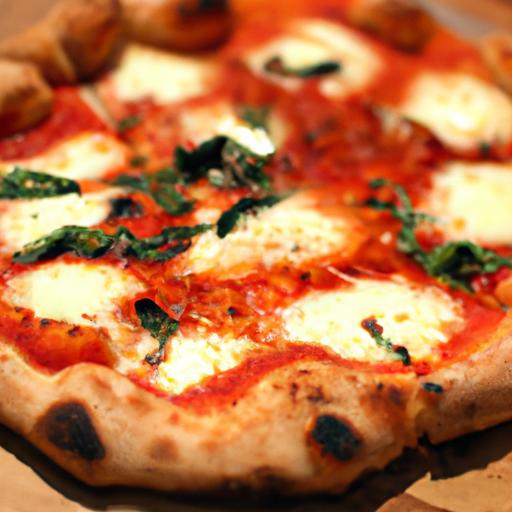

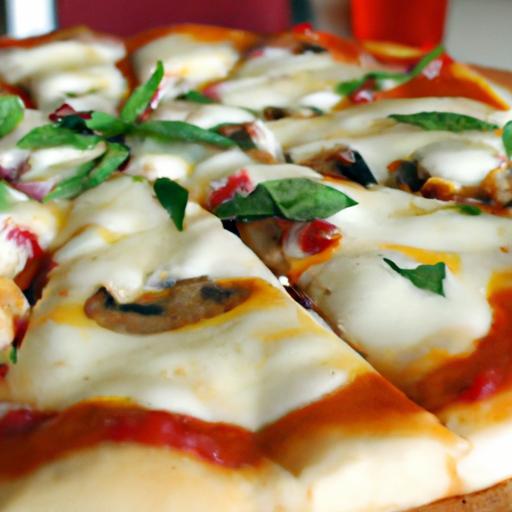
ThereS a simple magic in the art of pizza-crispy crust, bubbling cheese, vibrant toppings-but sometimes, less is truly more. Enter Pizza Bianca: the understated, golden-hued canvas that lets the purity of flour, olive oil, garlic, and rosemary shine in perfect harmony. Whether you’re a kitchen novice or a seasoned dough-slinger, mastering this Italian classic at home is more than just a recipe-it’s a craft, a sensory journey, and a festivity of simplicity done right. In this ultimate guide, we’ll unveil the secrets to creating the perfect Pizza Bianca, from mixing the ideal dough to achieving that irresistible crispy crust and all the subtle flavors in between. Get ready to transform your kitchen into a trattoria and elevate your pizza game to new, delicious heights.
Pizza Bianca is an understated masterpiece that celebrates the purity of simple ingredients elevated by precision and patience. Choosing the right flour, mastering dough fermentation, crafting an olive oil blend, and thoughtfully selecting toppings are essential steps to turning this classic Roman delight into a home-cooked triumph. The journey to a tender, flavorful crust and authentic taste begins here.
Prep and Cook Time
- Preparation: 20 minutes
- Fermentation: 18-24 hours (cold fermentation)
- Baking: 10-15 minutes
- Total: Approximately 20 hours
Yield
- 2 large pizzas (about 10-12 inches each)
- Serves 4-6 people
Difficulty Level
Medium – requires attention to fermentation and dough handling but rewarding for home bakers of any skill level
Choosing the Ideal Flour for a Tender Pizza Bianca Crust
Begin your perfect pizza bianca journey with high-quality flour. A blend of 00 Italian flour and a small portion of bread flour is your best bet. The fine, soft-milled 00 flour ensures a universally tender crumb while the bread flour adds just enough gluten to create structure without toughness. This combination produces a delicate, airy crust with a gentle chew – a cornerstone of authentic pizza bianca.
Mastering the Art of Dough Fermentation for Enhanced Flavor
patience transforms simple dough into an aromatic marvel. The secret lies in cold fermentation-allow the dough to ferment slowly in the refrigerator for at least 18 hours. This process develops enticing tangy notes and enhances the dough’s extensibility, making it easier to shape. When ready, bring the dough to room temperature before stretching to avoid resistance and tearing.
Crafting the Perfect Olive Oil Blend to Elevate your Pizza Bianca
Olive oil is more than just a topping-it’s a flavor cornerstone. Combine a robust extra virgin olive oil with a milder, buttery oil like Arbequina or Koroneiki to create a well-rounded, aromatic blend. Brush generously on the crust pre- and post-baking to add moisture, vibrant green color, and that signature peppery finish that lingers on the palate.
Selecting and Layering Toppings for an Authentic Taste Experience
Toppings on pizza bianca should be minimal yet impactful. Use thin slices of fresh mozzarella, tender rosemary sprigs, flaky sea salt, and a final drizzle of your olive oil blend. For variety, consider thin shavings of parmesan or a scatter of sautéed wild mushrooms. Maintain a delicate balance - the toppings should complement rather than overpower the luscious crust.
Ingredients
- 2 cups (250g) 00 Italian flour, sifted
- 1/2 cup (65g) bread flour
- 1 teaspoon fine sea salt
- 1 teaspoon instant dry yeast
- 1 cup (250ml) cold water
- 2 tablespoons olive oil blend (see crafting instructions below)
- 150g fresh mozzarella, thinly sliced
- Fresh rosemary sprigs, whole or lightly chopped
- Flaky sea salt, for finishing
Instructions
- Mix Dry Ingredients: In a large bowl, whisk together 00 flour, bread flour, salt, and yeast evenly.
- Add Liquids: slowly pour in cold water and 1 tablespoon of the olive oil blend, stirring with a wooden spoon until a shaggy dough forms.
- Knead: Transfer the dough to a floured surface and knead for 10 minutes until it’s smooth and slightly elastic but still soft. Add flour sparingly to avoid drying out.
- First Rise: Place dough in a lightly oiled bowl, cover tightly with plastic wrap, and refrigerate for 18-24 hours for slow fermentation.
- Preheat Oven: Remove dough 1 hour before baking to reach room temperature. Preheat oven and pizza stone (or steel) to 500°F (260°C).
- Shape Dough: Gently stretch dough on a floured surface into a 10-12 inch round. Avoid pressing out all the bubbles to preserve airiness.
- Brush & Layer: Brush dough with remaining olive oil blend. Layer thin mozzarella slices evenly and sprinkle rosemary and flaky salt.
- Bake: Transfer pizza carefully onto the hot stone and bake for 10-15 minutes or until edges turn golden and cheese melts gently without browning heavily.
- finish: Remove pizza, drizzle with a touch more olive oil blend, let rest for 2 minutes, then cut and serve immediately.
Chef’s Notes
- Flour substitutions: If 00 flour is unavailable, use all-purpose with a tablespoon of vital wheat gluten for extra elasticity.
- Fermentation tip: For quicker turnover, ferment at room temperature for 4-6 hours but expect less flavor complexity.
- Olive oil blend: Equal parts robust extra virgin (e.g., from Calabria) and mild Arbequina oils create a balanced finish.
- Make ahead: Dough can be frozen after the first rise; thaw overnight in the fridge before shaping.
- Toppings variations: Sautéed garlic and baby arugula tossed in olive oil make lovely additions post-bake for freshness.
Serving Suggestions
Serve pizza bianca warm on a rustic wooden board, garnished with fresh rosemary sprigs and an extra drizzle of olive oil blend. pair it with a light, crisp white wine like Frascati. Complement the flavors with a simple arugula salad tossed in lemon and olive oil to refresh the palate.

| Nutrient | Per Serving (1/4 pizza) |
|---|---|
| Calories | 310 |
| Protein | 11g |
| Carbohydrates | 37g |
| Fat | 11g |
For more artisan pizza techniques, check out our Artisan Pizza Dough Basics. To deepen your fermenting knowledge, visit this USDA fermentation guide.
Q&A
Q&A: The Ultimate guide to Perfect Pizza Bianca at Home
Q1: What exactly is Pizza Bianca, and how is it different from regular pizza?
A: Pizza Bianca, which means “white pizza” in Italian, strips away the classic tomato sauce and lets the dough, cheese, and olive oil shine.Think of it as a blank canvas, frequently enough topped with garlic, rosemary, mozzarella, and a drizzle of olive oil-simple yet sublime. Unlike traditional red pizzas, it’s all about subtle flavors and a crispy, golden crust.
Q2: What’s the secret to achieving that perfect crispy-yet-chewy crust?
A: The magic lies in a high-hydration dough, quality flour, and proper fermentation. Use “00” flour for a silky texture, mix in just the right amount of water (usually around 65-70% hydration), and let your dough rest and rise slowly in the fridge overnight.Baking on a hot stone or steel at the highest oven temperature gives you that irresistible crackle and chew.
Q3: Can I use regular olive oil, or dose the type of olive oil matter?
A: Great question! Olive oil isn’t just a drizzle-it’s a flavor star in pizza Bianca. Extra virgin olive oil with a fruity, peppery bite will elevate your pizza’s taste. Avoid generic or light olive oils because they lack character and aroma. If you can,use a high-quality,cold-pressed bottle or even finish with a drizzle of infused oil (like garlic or chili) for a subtle kick.
Q4: What toppings pair best with Pizza Bianca?
A: Since the base is delicate, toppings should complement rather than overpower. Classic choices include fresh rosemary, thinly sliced garlic, ricotta or fresh mozzarella, and even sautéed mushrooms or caramelized onions. For a modern twist, add lemon zest, anchovies, or a sprinkle of chili flakes. remember: less is more!
Q5: How do I prevent the pizza from drying out without the tomato sauce?
A: Without sauce, moisture control is key. Don’t overload your pizza with toppings, and be generous with olive oil to keep it luscious. Baking quickly on a high heat traps in moisture, while thin cheese slices or dollops of creamy ricotta add a melting softness. Cover any drier ingredients with a light brush of oil before baking.
Q6: Can I make the dough in advance,or is fresh dough crucial?
A: Dough that’s had time to ferment is often better flavor-wise. Making your dough a day ahead and letting it chill in the fridge develops complex, nutty notes. Just bring it back to room temperature before shaping. So, yes-advance prep is actually recommended for the tastiest Pizza Bianca experience.
Q7: What’s the best way to bake Pizza Bianca if I don’t have a pizza stone?
A: No stone? No problem! Use a preheated heavy baking sheet or cast-iron skillet turned upside down. Place it in the oven as it preheats to get it scorching hot. Transfer your pizza carefully onto this surface for that essential bottom heat that crisps the crust and creates those signature bubbles.Q8: How do I store and reheat leftover Pizza Bianca?
A: Store leftovers wrapped tightly in foil or in an airtight container in the fridge for up to 2 days. To reheat, avoid microwaves as they make the crust soggy; instead, pop slices into a skillet over medium heat or bake in a preheated oven at 375°F (190°C) for 5-7 minutes. This method revives that lovely crunch.
With thes answers baked right into your kitchen wisdom,your journey to perfect Pizza Bianca at home will be as delightful as that first bite. Ready your dough, oil, and aroma-pizza greatness awaits!
Closing Remarks
With your newfound mastery of pizza bianca-from the artful dough to the delicate drizzle of olive oil-you’re now ready to transform your kitchen into a haven of crisp, golden perfection. Remember, the beauty of pizza bianca lies in its simplicity and the freedom to let quality ingredients shine. So,whether you’re crafting a quick weeknight snack or impressing guests with a rustic Italian masterpiece,this ultimate guide ensures every bite is a celebration of flavor and texture. Now, grab your rolling pin, fire up the oven, and let the irresistible aroma of homemade pizza bianca bring a slice of Italy right to your table. Buon appetito!